This post may contain affiliate links. If you purchase through a link on this page, we may earn a small commission at no extra cost to you.
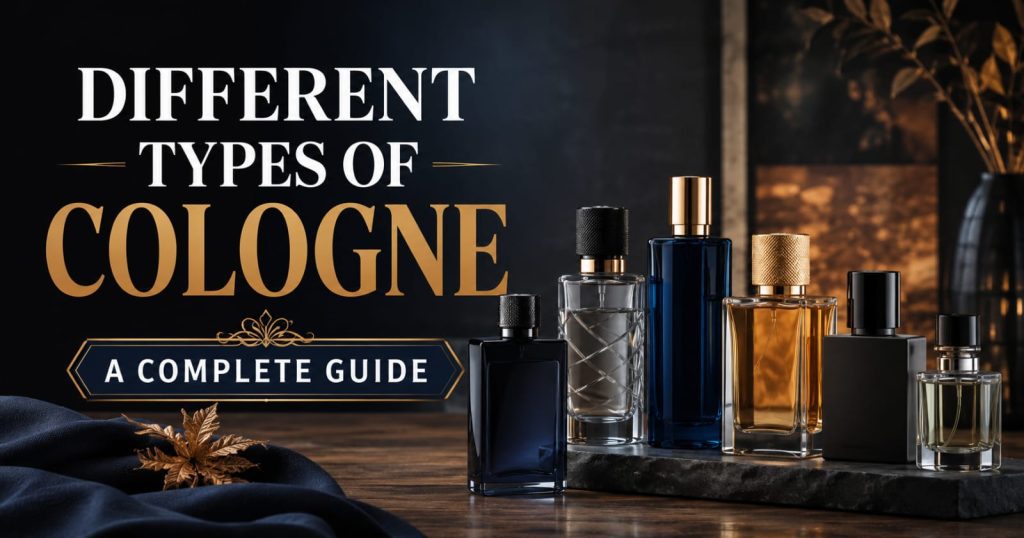
The biggest difference is usually fragrance concentration, while another important difference is the scent family itself. In simple terms, concentration helps explain how a fragrance is formulated and how it may perform, while the fragrance family tells you what it actually smells like.
This guide keeps it simple. We will explain the main types of cologne, show how EDP and EDT differ, explain the difference between cologne concentration and fragrance families, and look at real fragrances available to shoppers in the USA.
Table of Contents
- Quick Answer
- What Are the Different Types of Cologne?
- Cologne Types Explained
- Comparison Table
- Real Cologne Picks to Consider
- Cologne Concentration vs. Fragrance Family
- Common Fragrance Families
- Longevity, Projection and Sillage
- Which Type of Cologne Lasts the Longest?
- Best Cologne Type for Different Occasions
- How to Choose the Right Cologne
- How to Test Cologne Before Buying
- Common Mistakes
- FAQs
- Final Thoughts
Quick Answer
The five main types of cologne commonly discussed are Parfum, Eau de Parfum (EDP), Eau de Toilette (EDT), Eau de Cologne (EDC), and Eau Fraîche.
Generally, Parfum and EDP contain more fragrance oil than EDT, while EDC and Eau Fraîche are lighter formats. However, there is no universal rule that a higher concentration will always smell better or last longer. The actual fragrance formula, skin chemistry, weather, and application all matter.
For most shoppers, EDT is a practical choice for daytime and warm weather, while EDP can be useful when you want a richer scent with longer wear. Parfum is another option when you prefer a more concentrated fragrance experience.
What Are the Different Types of Cologne?
When people search for types of cologne, they are usually asking about concentration.
The common concentration categories are:
- Parfum or Extrait de Parfum
- Eau de Parfum (EDP)
- Eau de Toilette (EDT)
- Eau de Cologne (EDC)
- Eau Fraîche
There is also perfume oil, but it is better treated as a separate application format rather than simply another spray concentration.
Cologne Types Explained
1. Parfum or Extrait de Parfum
Parfum, sometimes called Extrait de Parfum, is generally one of the most concentrated traditional fragrance formats.
It is often chosen by people who want a richer scent and a fragrance that stays noticeable for a long period. Because the concentration is higher, Parfum bottles can also cost more than lighter versions.
Best for: Evening wear, formal occasions, cold weather, and people who prefer a concentrated fragrance.
Keep in mind: More concentration does not automatically mean better. A fragrance still needs to match your personal taste.
2. Eau de Parfum (EDP)
Eau de Parfum is one of the most popular formats for people who want a balance between scent intensity and everyday usability.
An EDP can work for daytime, evenings, dates, dinners, and special occasions. The actual performance depends heavily on the fragrance formula.
Best for: Everyday-to-evening wear, dates, fall and winter, and anyone who wants a fuller fragrance profile.
3. Eau de Toilette (EDT)
Eau de Toilette is generally lighter than EDP and is extremely common in men’s fragrance collections.
EDT can be especially practical in warmer weather or situations where you do not want a very heavy scent. Many classic men’s fragrances are sold as EDT.
Best for: Office wear, daytime use, spring and summer, and people who prefer a fresher fragrance style.
4. Eau de Cologne (EDC)
Eau de Cologne is technically a lighter concentration category.
Best for: Light daytime fragrance, warm weather, refreshing applications, and people who prefer a subtle scent.
5. Eau Fraîche
Eau Fraîche is generally one of the lightest fragrance formats.
It is designed around a fresh, airy feeling rather than maximum longevity. This makes it useful when you want something refreshing without a heavy fragrance cloud.
Best for: Very hot weather, casual use, quick refreshes, and people who prefer lighter scents.
Comparison Table
| Type | Relative Concentration | General Character | Good For |
|---|---|---|---|
| Parfum / Extrait | Very high | Rich and concentrated | Evening, formal wear, cold weather |
| Eau de Parfum (EDP) | High | Full and noticeable | Dates, everyday-to-evening |
| Eau de Toilette (EDT) | Moderate | Lighter and fresh | Office, daytime, warm weather |
| Eau de Cologne (EDC) | Light | Refreshing and airy | Casual use, hot weather |
| Eau Fraîche | Very light | Very fresh and light | Summer, quick refresh |
| Perfume Oil | Varies | Close to skin | Layering, personal use |
Important: Concentration ranges and wear times vary by brand and formulation. Use the table as a shopping guide, not a guarantee.
Real Cologne Picks to Consider
The products below are real fragrances that shoppers can search for on Amazon. Product availability, seller, bottle size, and price can change, so the Amazon links below are provided as shopping/search links rather than fixed price claims.
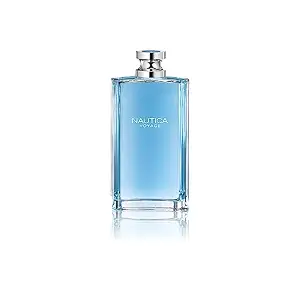
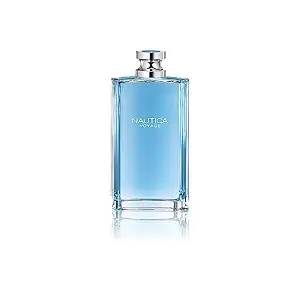
1. Nautica Voyage Eau de Toilette
Type: Eau de Toilette
Scent direction: Fresh, aquatic, green, woody
Best for: Everyday wear and warm weather
Nautica Voyage is a familiar example of an EDT built around a fresh aquatic character. Its listed notes include green leaf, green apple, water lotus, cedarwood, musk, amber, and marine elements.https://www.amazon.com/s?k=Nautica+Voyage+Eau+de+Toilette+Men
It makes sense for readers who want a straightforward daytime fragrance rather than a heavy evening scent.
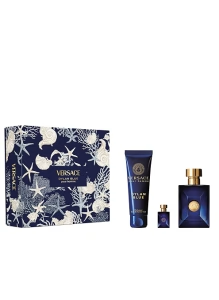
2. Versace Dylan Blue Eau de Toilette
Type: Eau de Toilette
Scent direction: Aquatic, citrus, aromatic, woody
Best for: Daily wear, office, evenings
Versace Dylan Blue is another EDT option with aquatic and citrus elements. Its commonly listed notes include bergamot, grapefruit, fig leaf, aquatic notes, violet leaf, patchouli, black pepper, ambrox and woody elements.https://www.amazon.com/s?k=Versace+Dylan+Blue+Eau+de+Toilette+Men
It is a useful example of how an EDT can still have a noticeable, versatile scent profile.
3. Acqua di Giò Eau de Toilette
Type: Eau de Toilette
Scent direction: Aquatic, citrus, fresh, woody
Best for: Spring, summer and daytimehttps://www.amazon.com/s?k=Acqua+di+Gio+Eau+de+Toilette+Men
Acqua di Giò EDT is associated with a fresh Mediterranean-inspired style. Product descriptions commonly highlight marine notes along with bergamot, neroli, green citrus and other fresh elements.
If you like clean aquatic fragrances, this is a recognizable example of the EDT category.
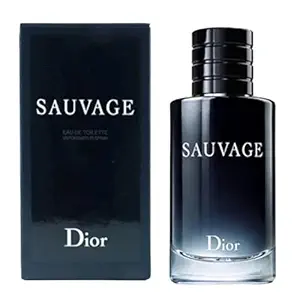
4. Dior Sauvage Eau de Toilette
Type: Eau de Toilette
Scent direction: Fresh, citrus, spicy, woody
Best for: Versatile daytime and evening usehttps://www.amazon.com/s?k=Dior+Sauvage+Eau+de+Toilette+Men
Dior Sauvage EDT combines fresh citrus elements with spicy and woody notes. Dior describes the EDT around Calabrian bergamot, Sichuan pepper, elemi and an amber-wood base.
This product is useful for demonstrating that an EDT does not necessarily mean a simple or weak-smelling fragrance.
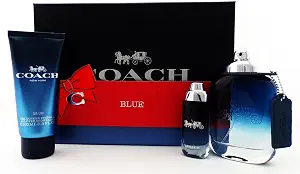
5. Coach For Men Eau de Toilette
Type: Eau de Toilette
Scent direction: Fresh, woody, aromatic
Best for: Everyday and casual wearhttps://www.amazon.com/s?k=Coach+For+Men+Eau+de+Toilette
Coach For Men EDT opens with fresh notes including pear and bergamot and develops into a warmer woody profile. It is a good example of an EDT that moves from a bright opening toward a deeper dry-down.
6. Y Eau de Parfum by Yves Saint Laurent
Type: Eau de Parfum
Scent direction: Fresh, aromatic, woody
Best for: Everyday-to-evening wear
Y Eau de Parfum is a useful EDP example. Product descriptions highlight bergamot, sage, ginger and apple-style freshness alongside a deeper woody character.
Compared with a lighter EDT format, an EDP can be a better starting point for someone who wants a fuller fragrance experience.
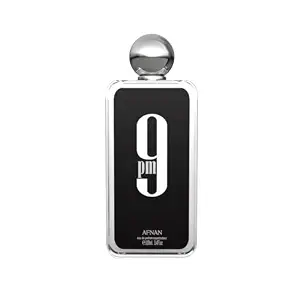
7. Afnan 9 PM Eau de Parfum
Type: Eau de Parfum
Scent direction: Warm, amber, vanilla, fruity-spicy
Best for: Evening wear and cooler weather
Afnan 9 PM is an EDP with a warmer profile built around notes such as apple, bergamot, cinnamon, vanilla, amber, tonka bean and patchouli.
Its richer profile makes it more naturally suited to evening and cooler-weather use than a very light aquatic fragrance.
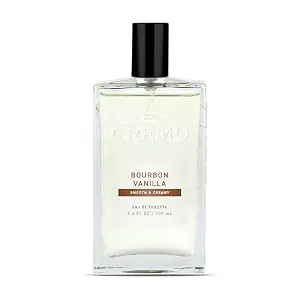
8. Cremo Spice & Black Vanilla
Type: Spray cologne
Scent direction: Spicy, tobacco, dark woods, vanilla
Best for: Casual evening wear and budget-conscious shoppers
Cremo Spice & Black Vanilla is built around cardamom, tobacco and black vanilla, with a warmer, darker scent direction.
Cologne Concentration vs. Fragrance Family
Concentration and fragrance family are two completely different things.
Concentration describes the formulation category: Parfum, EDP, EDT, EDC or Eau Fraîche.
Fragrance family describes the smell itself.
For example, a fragrance can be an EDT and still be:
- Woody
- Citrus
- Aquatic
- Aromatic
- Amber
- Gourmand
This is why choosing only by “EDP vs EDT” is not enough. You also need to decide what kind of smell you enjoy.
Common Fragrance Families
Citrus
Citrus fragrances use notes such as bergamot, lemon, grapefruit and orange. They usually feel bright and energetic.
Good for: Spring, summer and daytime.
Fresh or Aquatic
Fresh and aquatic fragrances often use marine accords, watery notes and clean citrus.
Good for: Hot weather, office wear and casual daytime use.
Woody
Woody fragrances often include cedar, sandalwood, vetiver or other dry woods.
Good for: Year-round wear, evenings and cooler weather.
Amber
Amber-style fragrances often feel warm, sweet, resinous or spicy.
Good for: Fall, winter and evening wear.
Aromatic
Aromatic fragrances commonly use herbs and green notes such as lavender, sage and related accords.
Good for: Everyday wear and versatile fragrance collections.
Gourmand
Gourmand fragrances use dessert-like or edible impressions such as vanilla, caramel, chocolate or sweet spices.
Good for: Evening wear and colder seasons.
Longevity, Projection and Sillage
These three terms are often confused.
Longevity is how long you can detect the fragrance on your skin.
Projection is how far the fragrance radiates from you.
Sillage is the scent trail left behind as you move.
A fragrance can have good longevity without projecting strongly. Another fragrance can project noticeably for the first few hours and then become much closer to the skin.
That is why reading only a “long-lasting” claim does not tell you the whole story.
Which Type of Cologne Lasts the Longest?
In general, higher-concentration formats such as Parfum and EDP tend to offer longer wear than very light formats. However, concentration is not a guarantee.
A particular EDT can outperform another EDP because of differences in its ingredients and overall composition.
Your skin also matters. Moisturized skin can hold fragrance differently from very dry skin, and temperature and humidity can change how a scent develops.
Think of concentration as a starting point, not a promise.
Best Cologne Type for Different Occasions
| Occasion | Starting Point | Why |
|---|---|---|
| Office | EDT or light EDP | Easier to control |
| Everyday | EDT or EDP | Wide range of choices |
| Date night | EDP or Parfum | Fuller fragrance profile |
| Wedding | EDP or Parfum | Formal setting |
| Summer | EDT, EDC or fresh scents | Lighter feeling |
| Winter | EDP or Parfum | Richer styles work well |
| Gym | Light fresh fragrance | Less overwhelming |
These are starting points, not strict rules. The individual fragrance and the amount applied matter too.
How to Choose the Right Cologne
Start with the smell, not the concentration.
If you like fresh and clean scents, look at citrus or aquatic fragrances. If you prefer warm and deeper scents, explore woody, amber or gourmand profiles.
Then consider concentration.
Choose an EDT if you prefer a lighter, easygoing fragrance. Consider an EDP if you want a fuller scent profile and longer potential wear. Look at Parfum when you specifically prefer a concentrated fragrance style.
Finally, consider your climate. In a hot USA summer, a heavy fragrance can feel very different from the same fragrance worn in cool weather.
How to Test Cologne Before Buying
Do not judge a fragrance only from the bottle or the first spray.
- Spray a small amount on your skin.
- Let the opening settle.
- Notice the fragrance after 15 to 30 minutes.
- Check the scent again after a few hours.
- Decide whether you still enjoy the dry-down.
Try only a few fragrances at a time. Testing too many at once can make the scents difficult to distinguish.
Common Cologne Mistakes
Choosing only by concentration: An EDP you dislike is not a better purchase than an EDT you love.
Confusing cologne with Eau de Cologne: The word “cologne” is often used casually for men’s fragrance.
Judging the opening only: The first few minutes are not the whole fragrance.
Overspraying: More sprays do not automatically mean better performance.
Ignoring the weather: A fragrance can behave differently in hot and cold conditions.
Buying only because a fragrance is popular: Popularity does not guarantee that the scent matches your personal taste.
Assuming expensive means better: Price, packaging, branding and concentration are separate from your personal preference.
Frequently Asked Questions
What are the different types of cologne?
The common concentration categories are Parfum, Eau de Parfum, Eau de Toilette, Eau de Cologne and Eau Fraîche. Perfume oils are another format that is usually considered separately.
What are the three types of cologne?
When people simplify the categories into three practical groups, they often refer to Parfum, Eau de Parfum and Eau de Toilette. However, the fragrance industry also uses lighter categories such as Eau de Cologne and Eau Fraîche.
What are the five types of cologne?
The five commonly discussed concentration categories are Parfum, Eau de Parfum, Eau de Toilette, Eau de Cologne and Eau Fraîche.
What is the strongest type of cologne?
Parfum or Extrait is generally the most concentrated of the common spray fragrance categories.
What is the difference between EDP and EDT?
EDP generally contains a higher fragrance concentration than EDT, although actual formulation and performance vary between fragrances.
Is Eau de Cologne the same as cologne?
No. “Cologne” is commonly used as a general word for men’s fragrance, while Eau de Cologne is a specific concentration category.
Which type of cologne lasts the longest?
Parfum and EDP often last longer than lighter categories, but the individual formula, skin chemistry and environment can change actual performance.
What type of cologne is best for summer?
Fresh citrus or aquatic fragrances in lighter formats such as EDT or EDC are common choices for hot weather.
What type of cologne is best for winter?
Richer EDP or Parfum fragrances with woody, amber, spicy or gourmand profiles are commonly suited to colder weather.
Does higher concentration mean better quality?
No. Higher concentration describes formulation strength, not whether you personally will prefer the fragrance.
What is sillage?
Sillage is the scent trail a fragrance leaves behind as you move.
What is the difference between longevity and projection?
Longevity describes how long the fragrance remains detectable, while projection describes how far the scent radiates from your body.
Final Thoughts
Understanding the different types of cologne becomes much easier once you separate two ideas: concentration and scent family.
Parfum and EDP are generally more concentrated, EDT offers a lighter and highly common format, while EDC and Eau Fraîche provide lighter fragrance experiences. But concentration should never be the only thing you consider.
If you want a fresh daytime fragrance, options such as Nautica Voyage, Acqua di Giò EDT, Coach For Men EDT or Versace Dylan Blue can give you a useful starting point. For a richer EDP direction, Y Eau de Parfum and Afnan 9 PM show how different the experience can be.
The best approach is simple: decide what smells good to you, choose the concentration that fits your lifestyle, consider your weather and occasion, and give the fragrance enough time to develop on your skin before making a final decision.
For more fragrance shopping guides, explore our related articles on the best perfume in the world and cheap perfumes for women.
Disclaimer: Fragrance concentration, performance and longevity can vary by formulation, skin chemistry, climate and application. Product availability, sellers and Amazon pricing can change over time.