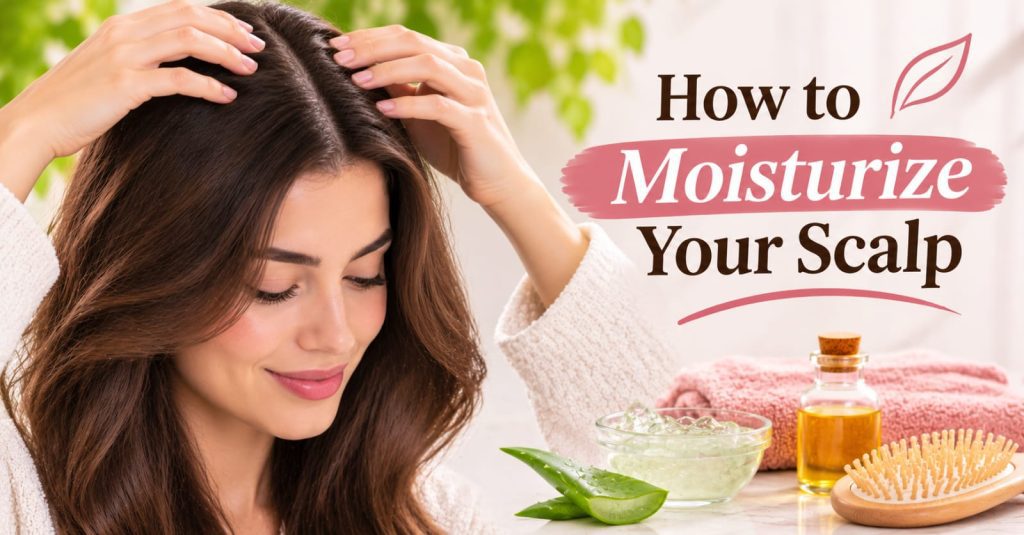
A dry, tight, or itchy scalp can make even a simple hair routine uncomfortable. If you are searching for how to moisturize scalp, the first step is to understand why it feels dry. Weather, hot showers, frequent washing, irritating hair products, and certain skin conditions can all contribute. The right approach is not always to add more oil. In many cases, a gentler cleansing routine and a suitable moisturizing product are more helpful.
The goal is to support the scalp’s natural barrier while keeping roots comfortable and hair manageable. This guide explains practical ways to care for a dry scalp, how to avoid greasy buildup, which ingredient types may help, and when flaking or itching could signal a condition that needs medical attention. These suggestions are general skin-care information, not a diagnosis or a substitute for personalized medical advice.
What Causes a Dry Scalp?
The scalp is skin, so it can become dry when it loses water or when its protective outer barrier is disrupted. Cold weather, low humidity, indoor heating, and very hot showers may contribute. Some people notice more tightness during winter, while others react to frequent washing or a shampoo that does not suit their skin.
Not every flaky scalp is dry skin. Dandruff and seborrheic dermatitis, eczema, psoriasis, and fungal infections can produce overlapping symptoms. If flakes are persistent, thick, greasy, painful, or accompanied by redness, sores, or hair loss, adding moisturizer alone may not address the cause. The American Academy of Dermatology (AAD) recommends seeking a dermatologist’s advice when symptoms do not improve with appropriate care.
Signs Your Scalp May Need More Moisture
A dry scalp may feel tight, rough, itchy, or uncomfortable, especially after washing. You may notice small, dry flakes or a feeling that the skin is less comfortable in cold or dry conditions. Some people also find that hot water or a strongly cleansing shampoo makes the tightness worse.
These signs are not proof that your scalp simply needs oil. Itching and flakes can also occur with dandruff, seborrheic dermatitis, eczema, psoriasis, or a reaction to a hair product. Pay attention to when symptoms began, whether a new product was introduced, and whether the skin looks red, swollen, crusted, or sore. That context can help a healthcare professional identify the cause.
How to Moisturize Scalp: 7 Easy Tips
1. Start with a gentle cleansing routine
If your scalp feels dry after every wash, review your shampoo and washing habits before adding several treatments. Choose a gentle cleanser that leaves your scalp feeling comfortable rather than stripped. Use lukewarm water instead of very hot water, and rinse carefully so cleanser does not remain along the hairline or behind the ears.
How often you wash depends on your scalp, hair texture, activity, and styling routine. An oily scalp or fine, straight hair may need more frequent washing than tightly coiled hair. There is no single schedule that works for everyone. If your scalp is uncomfortable, adjust one part of the routine at a time and observe how it responds.
2. Choose a moisturizer suited to the scalp
A moisturizer intended for the scalp can be easier to apply than a thick hair mask designed for the lengths of the hair. Look for a lightweight, leave-on scalp lotion or serum if you want moisture without coating the roots. A rinse-out treatment may suit someone who prefers not to leave product on the scalp.
Check the label and avoid assuming that a product is suitable just because it says “natural,” “hydrating,” or “sensitive.” Fragrance, essential oils, preservatives, and other ingredients can bother some people. If you have a history of reactions, eczema, or a diagnosed scalp condition, ask a dermatologist or pharmacist before trying a new treatment.
3. Apply a small amount directly to the scalp
More product does not necessarily mean more moisture. Part your hair into small sections so you can reach the skin, then follow the product’s directions for amount and application. Start with less than you think you need. Spread it gently with clean fingertips rather than aggressively rubbing or scratching.
Keep the application targeted. If your main concern is scalp dryness, coating every strand may leave your hair heavy without improving scalp comfort. For fine hair or oily roots, use especially small amounts and avoid layering several leave-on products. Stop using a product if it causes burning, worsening itching, redness, or a rash.
4. Use oils cautiously, not automatically
Some oils can soften the feel of dry skin by forming an emollient layer, but oil is not the right answer for every scalp. A small amount of a simple oil may suit some people with uncomplicated dryness, while others may find it difficult to wash out or may experience more buildup or irritation. Oils do not treat every cause of flaking, and they should not replace treatment for dandruff, seborrheic dermatitis, psoriasis, or infection.
If you decide to try an oil, patch-test a small amount on a discreet area of skin first and wait to see whether irritation develops. Avoid applying concentrated essential oils directly to the scalp. Tea tree oil and other essential oils can cause irritation or allergic contact reactions. Do not apply oils or home remedies to broken, bleeding, infected, or severely inflamed skin unless a clinician advises you to.
5. Protect the scalp from hot water and dry air
Long, hot showers can leave some skin feeling drier. Use lukewarm water, keep washing comfortable, and avoid repeatedly scrubbing the scalp. In cold or low-humidity weather, a humidifier may make indoor air more comfortable. A breathable hat can help protect the scalp from cold wind or strong sun, provided it does not cause friction or trap irritating sweat.
6. Keep conditioner and hair masks where they work best
Most rinse-out conditioners and hair masks are designed primarily to smooth and condition the hair shaft. They can help dry lengths feel softer, but they do not automatically solve scalp dryness. For many people, applying conditioner from the mid-lengths to the ends is a practical way to care for the hair while avoiding heavy roots.
Some products are specifically formulated and labeled for scalp use. Follow their directions rather than assuming that any body lotion, face cream, or hair mask belongs on the scalp. If a conditioner causes itching, bumps, or a rash where it touches your scalp, stop using it and consider whether an ingredient is irritating your skin.
7. Give your routine time, but track symptoms
Do not keep experimenting with home remedies if the scalp is getting worse. Persistent symptoms may need a diagnosis and treatment directed at the underlying condition. If the problem is dandruff, for example, a medicated dandruff shampoo may be more appropriate than adding oil. Follow the product label and medical advice rather than using a medicated shampoo more often than directed.
How to Moisturize Your Scalp Without Making Hair Greasy
The key is to treat the scalp rather than saturating the hair. Work in narrow parts, apply a small amount of a scalp-specific lightweight product to the skin, and avoid spreading a rich treatment through the roots unless its directions call for it. If you use a pre-wash oil or mask, leave it on only for the instructed time and rinse it out thoroughly.
Avoid layering dry shampoo, styling sprays, oils, and leave-on treatments without cleansing when needed. Product buildup can make the scalp feel uncomfortable and can make it harder to work out what is causing irritation. A clean, simple routine is often the best starting point.
How to Moisturize Your Scalp Without Washing Your Hair
Between-wash care should be light and targeted. If your scalp feels mildly dry, a leave-on product specifically labeled for scalp use may be an option, provided it suits your skin and is used according to its directions. Part the hair, apply sparingly, and avoid coating the hair lengths. Do not use a leave-on product to cover up persistent flakes, a rash, or soreness.
Ingredients That May Help Moisturize a Dry Scalp
Ingredient labels can be confusing, but it helps to understand a few broad categories. Humectants, such as glycerin, attract and hold water in the outer layer of skin when used in a suitable formula. Emollients help soften rough-feeling skin and improve its feel. Occlusive ingredients can form a surface layer that slows water loss. A product may combine several categories.
Soothing ingredients, including colloidal oatmeal in suitable skin-care formulations, may help some people with dry or irritated skin. However, no ingredient works for every person or every scalp condition. A formula’s full ingredient list matters, and an ingredient that is helpful for one person can irritate another. If you have a diagnosed skin condition, use products recommended for that condition rather than relying on a general ingredient list.
Natural Remedies for Dry Scalp: Benefits and Precautions
Natural remedies are not automatically safer or more effective than formulated skin-care products. Aloe vera preparations and certain oils may feel soothing or softening for some people, but evidence for treating the many causes of dry scalp is limited. Results depend on the formulation, the individual, and whether the underlying issue is ordinary dryness or a medical condition.
Be particularly cautious with apple cider vinegar, baking soda, undiluted essential oils, and strongly scented mixtures. These can irritate sensitive skin, especially when used repeatedly or applied to scratched areas. Avoid harsh DIY scrubs made with coarse particles. If a home remedy stings, burns, or makes symptoms worse, rinse it off and stop using it.
Patch-testing can reduce the chance of applying a new product over a large area before you know how your skin will respond, but it cannot guarantee that a reaction will not occur. Do not patch-test on broken skin, and seek medical advice for a severe reaction, swelling, blistering, or breathing symptoms.
How Scalp Care Can Differ by Hair Type
Hair texture affects how easily you can reach the scalp, how products spread, and how often you prefer to wash. Fine or straight hair may show residue quickly, so lightweight formulas and small amounts can be practical. Wavy hair may need a balance between scalp cleansing and conditioning the lengths without leaving heavy residue at the roots.
Curly and coily hair may be washed less frequently, and styles can make the scalp harder to reach. When using a scalp treatment, create accessible parts and follow the directions carefully. If you use a medicated dandruff shampoo, the AAD notes that people with curly or coily hair may need a different frequency and should focus the shampoo on the scalp because some active ingredients can dry the hair. Follow the product label and your dermatologist’s instructions.
Your hair type does not diagnose your scalp type. Someone with curly hair can have an oily scalp, and someone with straight hair can have dry or sensitive skin. Choose care based on how the scalp behaves, not on texture alone.
Dry Scalp vs. Dandruff: What’s the Difference?
Dry scalp and dandruff can both cause itching and flakes, so it is easy to confuse them. Dry skin is often linked to loss of water or irritation from weather and hair-care products. Dandruff is commonly associated with seborrheic dermatitis, an inflammatory condition that can cause white or yellowish flakes and may affect oily areas of the skin. The appearance can overlap, so flakes alone cannot confirm the cause.
A gentle, non-medicated shampoo may help when the problem is simple dryness or product-related stripping. Dandruff may require a shampoo with an active ingredient such as ketoconazole, selenium sulfide, salicylic acid, or another ingredient listed for dandruff treatment. Different products have different directions and contact times. The AAD recommends following the label and seeking a dermatologist if dandruff is severe or does not improve.
Thick plaques, marked redness, burning, crusting, broken hairs, patchy hair loss, or symptoms beyond the scalp deserve medical attention. Psoriasis, eczema, contact dermatitis, and fungal infections can resemble dandruff but need different care. Do not try to diagnose these conditions by comparing flakes at home.
Common Scalp Moisturizing Mistakes to Avoid
One common mistake is assuming that more oil always means more moisture. Heavy application can leave residue and may not address the cause of itching or flaking. Another is exfoliating frequently in an effort to remove every flake. Scrubbing can irritate the skin barrier, especially when the scalp is already inflamed or scratched.
Other mistakes include washing with very hot water, switching between many new products at once, leaving shampoo or styling products on the scalp, and using concentrated essential oils. Avoid scratching with fingernails or trying to lift thick scales forcefully. If a product causes a reaction, stop using it rather than adding more products to counteract the discomfort.
When to See a Dermatologist
Arrange a medical evaluation if itching or flaking is persistent, severe, or repeatedly returns despite gentle routine changes. Get advice if the scalp becomes red, swollen, warm, painful, crusted, or develops sores or oozing. Seek prompt care for signs of infection, significant swelling, or rapidly worsening symptoms.
A dermatologist can examine the scalp and help distinguish ordinary dryness from dandruff, seborrheic dermatitis, eczema, psoriasis, contact dermatitis, or a fungal infection. Treatment may involve changing hair products, using a medicated shampoo, or prescription treatment. If you notice patchy hair loss, broken hairs, or hair loss with sores or inflammation, do not rely on moisturizer alone.
Frequently Asked Questions
What is the best way to moisturize a dry scalp at home?
Start by using lukewarm water and a gentle shampoo that does not leave your scalp feeling stripped. If needed, choose a lightweight product labeled for scalp use and apply a small amount directly to the skin. Avoid adding several oils or remedies at once. If symptoms persist or include redness, sores, or significant scaling, ask a dermatologist to identify the cause.
How can I moisturize my scalp without making my hair greasy?
Part your hair and apply a small amount of a lightweight scalp-specific treatment to the skin rather than coating the roots and strands. Use less product at first, avoid layering multiple oils, and rinse out pre-wash treatments thoroughly. Adjust the amount if your roots feel coated or look limp.
Can I moisturize my scalp without washing my hair?
A suitable leave-on scalp treatment may be used between washes if its label allows it and your skin tolerates it. Apply sparingly and keep the scalp clean when sweat or styling residue builds up. A leave-on product should not be used to mask persistent itching, rash, or heavy flakes.
Does conditioner moisturize the scalp?
Most conditioners are made to soften and smooth hair strands, not treat scalp dryness. Some products are specifically designed for scalp use, but ordinary conditioner is usually best focused on the mid-lengths and ends unless its label says otherwise.
Is oil good for a dry scalp?
Some oils may soften dry-feeling skin, but they are not suitable for everyone and do not treat all causes of flaking. Use caution, patch-test first, and never apply concentrated essential oils directly. Avoid oils on open or infected skin unless a healthcare professional recommends them.
Can a vitamin deficiency cause a dry scalp?
Some nutritional deficiencies can affect skin and hair health, but a dry scalp alone does not identify a specific vitamin deficiency. Do not start high-dose supplements based only on scalp dryness. If you have other symptoms, dietary concerns, or unexplained hair changes, discuss them with a healthcare professional.
How often should I moisturize my scalp?
There is no universal schedule. Follow the directions for the product you use and adjust based on comfort, hair texture, washing habits, and whether buildup develops. If you need frequent treatment to control itching or flaking, consider getting the cause checked.
The Bottom Line
The most useful way to moisturize your scalp is to keep the routine gentle, choose a scalp-appropriate product when needed, apply it sparingly, and avoid practices that cause irritation or buildup. Oils and natural remedies are not necessary for everyone, and flakes do not always mean the scalp is simply dry.
If your scalp remains itchy, painful, inflamed, or flaky despite reasonable care, seek a dermatologist’s advice. Finding the cause is more effective than repeatedly adding new products. A routine that supports your scalp’s comfort—and respects its individual needs—is a better goal than trying every remedy you see online.
If you want to read more about this, check out our detailed guide here:https://zaisufbeauty.com/best-organic-face-moisturizer-for-aging-skin/