This post contains affiliate links. If you buy through a link, we may earn a small commission at no extra cost to you, as an Amazon Associate.
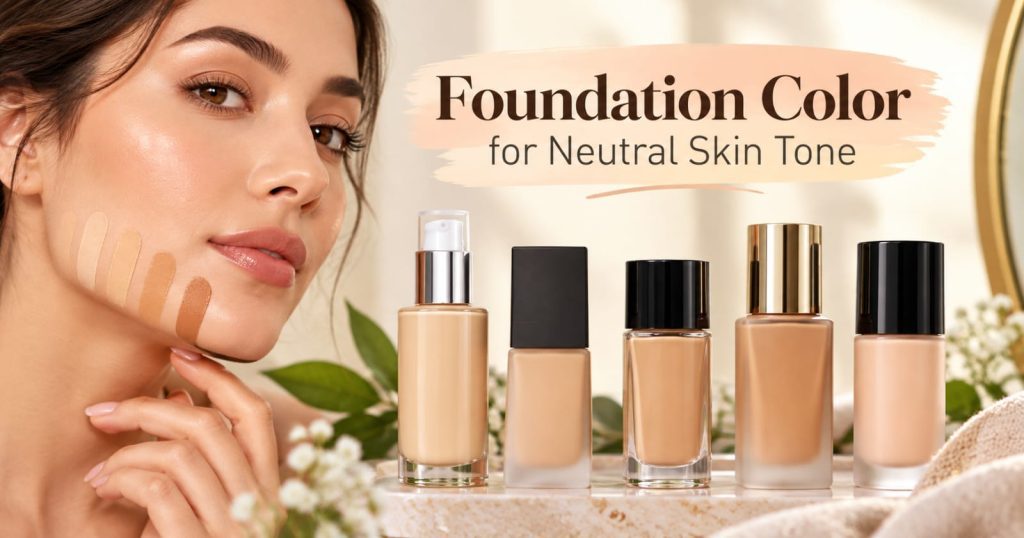
Choosing the right foundation color for neutral skin tone sounds like it should be easy. Neutral skin is not too pink and not too golden, so almost any beige should work, right? In real life, many people with a neutral undertone still end up with a foundation that looks yellow, pink, orange, or gray by lunchtime.
The reason is that undertone is only half of the match. You also need the right skin depth, the right shade family, and a quick test that tells you how the formula looks after it settles. This guide walks you through all of it in plain steps.
You’ll also find a shade guide by skin depth, fixes for the most common color problems, an online shopping method, and five widely sold foundations that offer clearly labeled neutral shades. We did not hands-on test these products. Our picks come from brand information, shade charts, retailer listings, and published reviews, and we label brand claims as brand claims.
Quick Answer: How to Choose the Right Foundation Color for Neutral Skin Tone
Start with your skin depth (fair, light, medium, tan, or deep). Then pick the shade family labeled neutral by the brand, usually marked with an N or the word “neutral.” Swatch two close shades along your jawline, check them in daylight after they dry, and choose the one that disappears into both your face and your neck.
If you want a fast shortlist:
- Best overall for neutral shade matching: L’Oréal Paris True Match Super-Blendable Foundation
- Best budget satin finish: e.l.f. Soft Glam Satin Foundation
- Best for oily skin: Maybelline Fit Me Matte + Poreless Foundation
- Best long-wear option: Estée Lauder Double Wear Stay-in-Place Foundation
- Best luminous finish: Armani Beauty Luminous Silk Foundation
Comparison Table
| Foundation | Finish | Coverage | Best For | Neutral Shade Labels | Price Level | Link |
|---|---|---|---|---|---|---|
| L’Oréal True Match | Natural | Medium | Most skin types, wide range | N0.5 to N11 | $ | Amazon |
| e.l.f. Soft Glam Satin | Satin | Medium, buildable | Budget shoppers, normal skin | Fair to Rich Neutral | $ | Amazon |
| Maybelline Fit Me Matte + Poreless | Matte | Light to medium | Normal to oily skin | Check shade finder | $ | Amazon |
| Estée Lauder Double Wear | Matte | Medium to full | Long wear, oil control | N shades | $$$ | Amazon |
| Armani Luminous Silk | Natural glow | Medium | Glowy, skin-like look | Numbered shades | $$$ | Amazon |
Price levels: $ is under about $15, $$ is roughly $15 to $40, and $$$ is more than that. Prices change often, so check the current listing.
What a Neutral Undertone Really Means
Skin tone and undertone are two different things. Skin tone, or depth, is how light or dark your skin looks on the surface. Undertone is the subtle hue beneath it, usually described as cool (pink or blue), warm (yellow, golden, or peachy), or neutral (a balanced mix).
Estée Lauder describes neutral undertones as bare skin that looks more even-toned, not too pink or too golden. That is a helpful clue, but it also explains why neutral is hard to match by eye. When nothing stands out, it is easy to second-guess yourself.
Here is a simple way to keep it straight:
- Depth decides how light or dark the shade should be.
- Undertone decides whether the shade leans pink, yellow, or balanced.
- Formula and finish decide how the shade looks once it dries and settles on your skin.
Getting only one of these right is the most common reason a “neutral” foundation still looks off.
How to Confirm Your Neutral Undertone at Home
No single test is perfect, so use a few clues together instead of trusting one result.
- Wrist veins: Mostly blue or purple suggests cool, mostly green suggests warm, and a mix of both suggests neutral.
- Jewelry: If both silver and gold look good on you, that can point to neutral.
- White paper test: Hold a plain white sheet next to your bare face in daylight. Yellow next to the paper suggests warm, pink or red suggests cool, and neither suggests neutral.
- Sun reaction: If you tan after a little burning, and you don’t lean strongly pink or golden, neutral is possible.
These are clues, not proof. Lighting, sun exposure, redness, and even the color of your clothes can change what you see. If your results keep switching between warm and cool, that is common with neutral skin, and a jawline swatch test will tell you more than any vein check.
Olive undertones can also look neutral at first because of a slightly greenish or gray cast. If foundations labeled neutral keep turning your face pale or ashy, try a neutral-olive or a slightly warmer neutral shade and compare.
Foundation Color for Neutral Skin Tone by Skin Depth
The goal is to find a neutral shade at your depth, not just any beige. Brands label depth and undertone differently, so use the examples below as a starting point and always confirm in the brand’s own shade chart.
| Skin Depth | What to Look For | L’Oréal True Match Examples | e.l.f. Soft Glam Examples |
|---|---|---|---|
| Fair | Fair neutral or neutral ivory | N0.5, N1, N2 (Neutral Light) | 11 and 13 Fair Neutral |
| Light | Light neutral or neutral beige | N2 to N4 (Neutral Light to Light Medium) | 21 and 25 Light Neutral |
| Medium | Medium neutral or balanced beige | N5, N5.5, N6 (Neutral Medium) | 31 and 32 Medium Neutral |
| Tan | Tan neutral or golden-neutral | N6.5 to N7 (Neutral Medium Deep) | 41 and 42 Tan Neutral |
| Deep | Deep neutral or balanced brown | N9, N10, N11 (Neutral Deep) | 53 and 54 Deep Neutral, 64 and 65 Rich Neutral |
How to Match Your Foundation to Your Face and Neck
A good match should disappear. Follow these steps for the most reliable result:
- Start with clean, moisturized skin. Dry or oily patches change how foundation looks.
- Pick two or three neutral shades at your depth. Choose the shade you think is closest, one lighter, and one deeper.
- Swatch along your jawline, not your wrist. Make three short stripes from your cheek toward your neck.
- Wait 10 to 15 minutes. Liquid foundations can look different after they dry. Estée Lauder even advises letting liquid foundation dry completely before deciding it’s your shade.
- Check in natural daylight. Stand near a window, not under store lights or a bathroom bulb.
- Compare to your neck and chest. The winning stripe is the one you can’t see.
If two shades both look close, choose the one that blends more easily into your neck. A slightly darker shade usually looks more natural than a slightly lighter one, which can look pale or gray in photos.
How to Find Your Foundation Color for Neutral Skin Tone Online
Buying online makes shade matching harder, but you can lower the risk with a simple process.
- Start with a shade you already know. Note the brand, exact shade name, and number of a foundation that matches you well.
- Use official shade charts and finders. Brands such as L’Oréal, Maybelline, and e.l.f. offer online shade finders. Treat the result as a shortlist, not a guarantee.
- Read the shade descriptions. Look for words like neutral, olive, golden, or rosy, not just the name of the color.
- Check reviews with photos from people who match your depth. Screens change colors, so use photos as a clue only.
- Check the return policy. Buy from the brand or an authorized seller that accepts returns on opened makeup, or order a small size first.
If you have a brand’s “N” shade that works, look for the same depth in the new brand’s neutral range, then compare descriptions before you order.
How We Picked These Foundations
We focused on widely available US foundations that clearly describe their shades and offer enough range to cover many depths. Each pick had to meet most of these standards:
- Clear shade information: Neutral options are labeled or easy to identify in the brand’s chart.
- Wide shade range: More shades mean a better chance of a true match.
- Distinct finish and coverage: We included matte, satin, natural, and glowy options.
- A range of prices: From about $9 to more than $50.
- Availability: Easy to find on Amazon or at major retailers.
Our sources were brand product pages, official shade charts, retailer descriptions, and published customer reviews. We did not test these products ourselves, so we avoid claims like “never oxidizes” or “perfect for everyone.” How a foundation looks depends on your skin, your prep, and the lighting.
The 5 Best Foundations for Neutral Skin Tone
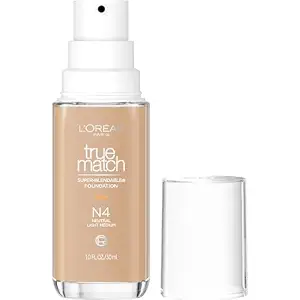
1. L’Oréal Paris True Match Super-Blendable Foundation: Best Overall for Neutral Shade Matching
Key Facts: L’Oréal says True Match comes in 47 shades that match undertone as well as depth, with neutral options labeled N. The brand groups its neutral shades by depth: Neutral Light (N0.5, N1, N2), Neutral Light Medium (N3, N4), Neutral Medium (N5, N5.5, N6), Neutral Medium Deep (N6.5, N7, N8), and Neutral Deep (N9, N10, N11). It is a medium-coverage formula with a pump and is described as vegan and free of alcohol and fragrance. L’Oréal reports that 99% of women in a consumer test of 312 women found their match, which is a brand claim.
Why It Works for Neutral Skin: The clear N labels and depth groupings make it easy to shop by number. You can pick your depth, choose from the matching neutral group, and then compare the nearest shades.
Pros:
- Neutral shades grouped clearly by depth.
- Wide range of 47 shades.
- Budget-friendly and easy to find.
Cons:
- Medium coverage may not hide strong redness or discoloration without a second layer.
- Natural finish can look shiny on very oily skin without powder.
- Some people still need to test two neighboring N shades to find the right one.
Best For: Anyone who wants a straightforward, affordable way to find a neutral shade.
Skip If: You want a full-coverage or fully matte finish.
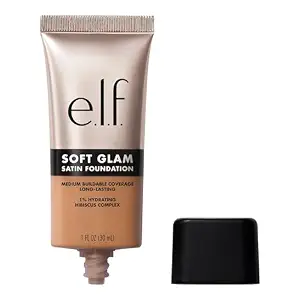
2. e.l.f. Soft Glam Satin Foundation: Best Budget Satin Finish
Key Facts: A liquid foundation with medium, buildable coverage and a satin finish, listed at around $8 to $9 at major US retailers. It comes in 36 shades, and the shade names state the undertone directly: 11 and 13 Fair Neutral, 21 and 25 Light Neutral, 31 and 32 Medium Neutral, 41 and 42 Tan Neutral, 53 and 54 Deep Neutral, and 64 and 65 Rich Neutral. The brand says it contains a hydrating hibiscus complex and is vegan and cruelty-free.
Why It Works for Neutral Skin: Shade names that say “Neutral” take away a lot of guesswork. If you know your depth, you can quickly narrow the choices.
Pros:
- Very affordable.
- Undertone is written in the shade name.
- Medium coverage that you can build up.
Cons:
- Fewer total shades than some larger ranges, so in-between matches are harder.
- Shoppers sometimes ask how two neutral shades at the same depth differ, so swatching matters.
- Satin finish may feel too glowy for very oily skin.
Best For: Budget shoppers who want a natural, satin look
Skip If: You want a flat matte finish or full coverage.
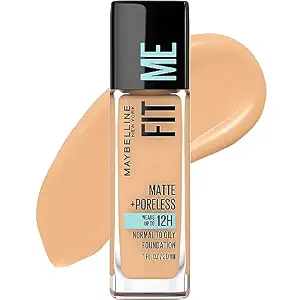
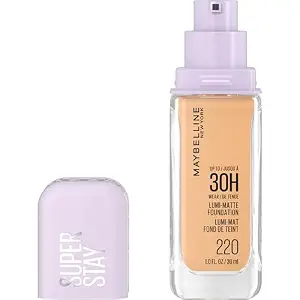
3. Maybelline Fit Me Matte + Poreless Foundation: Best for Oily Skin
Key Facts: An oil-free liquid foundation with a matte finish, made for normal to oily skin and listed in 40 shades. It usually sells for under $10 at major US retailers. Maybelline’s names are descriptive, such as 120 Classic Ivory, 124 Soft Sand, 130 Buff Beige, and 230 Natural Buff. Maybelline does not use N codes, and one retailer’s shade list tags those four as neutral, so confirm your pick with Maybelline’s own shade finder.
Why It Works for Neutral Skin: The wide range means you can find a close depth, and the matte finish suits people who struggle with shine. Because it lacks N codes, it is best for readers who are comfortable swatching in person or using a shade finder.
Pros:
- Very affordable and widely sold.
- Oil-free, matte, and pore-blurring finish.
- Large shade range.
Cons:
- No N labels, so identifying neutral shades takes extra checking.
- Matte formulas can look flat or emphasize dry patches.
- Not the best fit for dry skin.
Best For: Normal to oily skin that wants a budget matte foundation.
Skip If: You have dry skin or want a glowy finish.
4. Estée Lauder Double Wear Stay-in-Place Foundation: Best Long-Wear Option
Key Facts: A matte, oil-free foundation with medium-to-full, buildable coverage and SPF 10. Estée Lauder lists more than 60 shades and tells shoppers to choose their depth and then their undertone: cool (C), neutral (N), or warm (W). Neutral shades include codes such as 1N2 Ecru, 3N1 Ivory Beige, 4N1 Shell Beige, and 5N1 Rich Ginger. Estée Lauder advertises 24-hour wear, which is a brand claim. At major US retailers it often costs around $45 or more.
Why It Works for Neutral Skin: The N code system is easy to understand, and the large range lets you choose a close depth. The brand describes neutral skin as even-toned, not too pink or too golden.
Pros:
- Clear N shade codes by depth.
- Strong coverage that you can build.
- Good choice for long days and oil control.
Cons:
- Premium price.
- Full coverage and a matte finish can feel heavy on dry or mature skin.
- Needs thorough blending, and you should wait for it to dry before judging the shade.
Best For: Long wear, higher coverage, and oily or combination skin
Skip If: You want a light, dewy, skin-like finish.
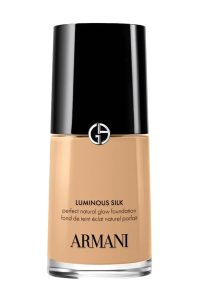
5. Armani Beauty Luminous Silk Foundation: Best Luminous Finish
Key Facts: A medium-coverage liquid foundation with a natural glow and a skin-like texture, offered in 44 shades from fair to deep. Armani tells shoppers to identify their undertone first, using veins as a guide, and then pick the shade range that matches their depth. Shades are numbered, such as 3, 4, 4.5, and 5, so you will need Armani’s shade descriptions to find the neutral options. It is a premium product, often priced around $70 in the US.
Why It Works for Neutral Skin: The finish looks like skin instead of makeup, which is often what neutral-skinned shoppers want. The wide range helps with in-between depths.
Pros:
- Natural, glowing finish.
- 44 shades with good depth coverage.
- Blends easily with a brush or sponge.
Cons:
- High price.
- Numbered shades require extra research to find true neutral options.
- Glow may be too much for very oily skin.
Best For: Normal to dry skin that wants a luminous, natural look.
Skip If: You’re shopping on a tight budget or prefer a matte finish.
Why Your Neutral Foundation Looks Yellow, Pink, Orange, or Gray
A mismatch doesn’t always mean the undertone is wrong. Use this table to troubleshoot. These are possible causes, not guaranteed diagnoses.
| What You See | Possible Cause | What to Try |
|---|---|---|
| Looks yellow | Shade is too warm, or the formula is yellow-based | Compare a neutral shade at the same depth; check in daylight |
| Looks pink | Shade is too cool or too rosy | Try a more balanced neutral shade at the same depth |
| Looks gray or ashy | Shade is too light, or an undertone mismatch | Try one step deeper; check for a neutral-olive option |
| Turns orange or darker | Shade is too deep, or the formula changes as it dries | Wait and re-check; try one shade lighter and swatch again |
| Face and neck don’t match | Depth mismatch, or your neck is a different color | Blend down the neck, or choose a shade that bridges both |
Some people notice that foundation darkens after it sits on the skin, which is often called oxidation. It doesn’t happen with every formula or every person, so don’t assume it is the reason. The safest test is to wear a swatch for a few hours in daylight before you commit to a full bottle.
Common Foundation Matching Mistakes
- Testing on your wrist or hand. These areas are often a different color than your face.
- Matching only the undertone. Depth matters just as much.
- Choosing under store lighting. Always check in daylight.
- Judging the shade right away. Give liquid formulas time to dry.
- Assuming every brand’s “N” is the same. Shade systems differ by brand.
- Matching your summer tan in winter. Your shade may change with the seasons.
- Forgetting your neck. A good match blends from face to neck.
Pairing Foundation With Concealer and Eye Makeup
Once your foundation matches, keep the rest of your base consistent. Choose a concealer that is no more than one shade lighter, especially under the eyes. If you want help with that step, see our guide to the best under eye brightener for mature skin for options that suit thin, delicate skin. If you also wear lash extensions, our guide to water-based mascara for eyelash extensions can help you finish the look.
Frequently Asked Questions
What is the best foundation color for neutral skin tone? The best choice is a shade from the brand’s neutral family that matches your skin depth. For example, L’Oréal groups neutral shades by depth, and e.l.f. names them with “Neutral” in the shade name. Always confirm with a jawline swatch in daylight.
What does N mean in foundation shades? In many brands, N stands for neutral undertone. But shade names and numbers differ by brand, so an N in one range isn’t the same as an N in another. Read the brand’s shade description.
Can neutral undertones wear warm or cool foundation? Many people with neutral undertones can wear slightly warm or slightly cool shades, but the best match usually has only a subtle hint of undertone. If your foundation looks too yellow or pink, switch to a more balanced shade.
How do I know if my foundation is too yellow or too pink? Check it in daylight after it dries. If your face looks more yellow than your neck, the shade may be too warm. If it looks rosier, it may be too cool or too light.
How do I find my foundation shade online without testing? Start with a shade you already know, use the brand’s shade finder, read shade descriptions, and check reviews from people with your depth. Buy from a seller with a good return policy.
Should I match my foundation to my face or my neck? Aim for a shade that blends between both. If your face and neck differ, choose the shade that looks natural along your jawline.
Is neutral undertone the same as olive? Not exactly. Olive skin often has a green or gray cast with a mix of warm tones. Some people with olive skin look neutral, so a neutral-olive shade can be worth testing.
Final Verdict
🥇 Best Overall: L’Oréal Paris True Match Super-Blendable Foundation
💰 Best Budget Satin: e.l.f. Soft Glam Satin Foundation
🧴 Best for Oily Skin: Maybelline Fit Me Matte + Poreless Foundation
⏱️ Best Long-Wear: Estée Lauder Double Wear Stay-in-Place Foundation
✨ Best Luminous: Armani Beauty Luminous Silk Foundation
The right foundation color for neutral skin tone comes down to three things: your depth, a neutral shade labeled by the brand, and a daylight test on your jawline. Don’t rely on a single undertone test or a shade name alone. Start with two close shades, wait for them to settle, and choose the one you can’t see.
If you want to read more about this, check out our detailed guide here:https://zaisufbeauty.com/best-under-eye-brightener-for-mature-skin/
Disclaimer: This article is for informational purposes only and is based on research of brand information, official shade charts, retailer listings, and published reviews, not on our own hands-on testing. Prices, formulas, shades, and availability change, so check the current listing before you buy. Fragrance-free, vegan, and similar labels are brand claims. If you have sensitive skin or allergies, patch test new products and stop using anything that causes irritation.