Finding a moisturizer that hydrates without leaving skin feeling greasy can be frustrating, especially if you are prone to clogged pores, blackheads, or breakouts. A moisturizer non pore clogging shoppers can feel confident considering should offer comfortable hydration while being labeled non-comedogenic, oil-free, or specifically designed for acne-prone skin. The right formula can support your skin barrier without adding a heavy finish.
Still, no moisturizer can guarantee that every person will avoid clogged pores. Skin reactions vary, and the word “non-comedogenic” is not a promise that a product will work for everyone. The goal is to choose a formula that fits your skin type, introduce it carefully, and watch how your skin responds.
This guide compares seven widely available U.S. options across different needs: oily skin, sensitive skin, lightweight daily hydration, and budget-friendly care. It also explains which ingredients can help, what to look for on a label, and how to build a simple routine without overcomplicating your skincare shelf
Quick Picks: The Best Options at a Glance
- Best for acne-prone skin: Paula’s Choice CLEAR Oil-Free Moisturizer
- Best budget acne-care option: Cetaphil Gentle Clear Mattifying Acne Moisturizer
- Best everyday barrier-supporting lotion: La Roche-Posay Toleriane Double Repair Face Moisturizer
- Best for sensitive skin: Vanicream Daily Facial Moisturizer
- Best for oily, shiny skin: CeraVe Oil Control Moisturizing Gel-Cream
- Best lightweight hydration: Neutrogena Hydro Boost Gel-Cream Fragrance Free
- Best lightweight gel-cream alternative: BYOMA Gel Cream Moisturizer
These are category-based suggestions, not a clinical ranking or a claim that the products were personally tested by ZaisufBeauty. Always check the current package and ingredient list because formulas and product names may change.
Comparison Table: 7 Moisturizers Compared
| Product | Best for | Texture / notable ingredients | Potential drawback |
| Paula’s Choice CLEAR Oil-Free Moisturizer | Acne-prone and combination skin | Lightweight gel-cream; niacinamide and skin-conditioning ingredients | Premium price; may not feel rich enough for very dry skin |
| Cetaphil Gentle Clear Mattifying Acne Moisturizer | Oily, blemish-prone skin | Light lotion; 0.5% salicylic acid | Treatment ingredient may be drying alongside other acne actives |
| La Roche-Posay Toleriane Double Repair | Normal, combination, sensitive-leaning skin | Cream-lotion; ceramide-3, niacinamide, glycerin | May feel richer than a gel for very oily skin |
| Vanicream Daily Facial Moisturizer | Sensitive or easily irritated skin | Light lotion; ceramides, hyaluronic acid, squalane | Not a mattifying product; finish may be dewy |
| CeraVe Oil Control Gel-Cream | Oily and combination skin | Gel-cream; three essential ceramides and oil-absorbing ingredients | Oil-control feel may not be enough for dry or flaky areas |
| Neutrogena Hydro Boost Gel-Cream Fragrance Free | Lightweight daily hydration | Water-gel cream; hyaluronic acid | Very dry skin may need a richer layer over it |
| BYOMA Gel Cream Moisturizer | Combination and oily skin seeking a light feel | Oil-free gel-cream; barrier-supporting blend | Check the current label for individual sensitivities |
How We Selected These Non-Pore-Clogging Moisturizers
The shortlist was built around the search intent behind this topic: readers want products that moisturize without feeling heavy or increasing their concern about clogged pores. We compared product positioning, publicly available ingredient information, texture descriptions, intended skin types, and current U.S. retailer listings. We also reviewed the types of questions appearing in search results, including how to identify a non-comedogenic formula and which options may suit oily, acne-prone, or sensitive skin.
The selection deliberately includes different formula styles instead of presenting seven nearly identical gel moisturizers. A person with oily skin may prefer an oil-control gel, while someone using adapalene or benzoyl peroxide may need a more cushioning lotion to reduce dryness. The best choice is the one that meets your hydration needs and is comfortable enough to use consistently.
This is an editorial comparison based on publicly available product information, not an independent clinical trial or in-person product test. We do not claim that any formula is guaranteed to prevent acne. Product claims, ingredient lists, and retailer availability should be rechecked immediately before publication.
The 7 Best Moisturizer Non Pore Clogging Picks
1. Paula’s Choice CLEAR Oil-Free Moisturizer — Best for Acne-Prone Skin
Paula’s Choice CLEAR Oil-Free Moisturizer is a strong option to consider if you want a lightweight moisturizer made with breakout-prone skin in mind. Its gel-cream texture is designed to hydrate without the heavy feel associated with richer creams. The brand positions it for normal, combination, and oily skin, making it a useful candidate for people who dislike a greasy finish.
Why it stands out: this pick is specifically marketed for acne-prone skin and is described by the retailer as a weightless gel-cream designed to hydrate without clogging pores. Niacinamide is a useful ingredient to look for because it can support the skin barrier and help improve the appearance of uneven tone and redness in some routines.
Best suited to: oily, combination, and acne-prone skin that still needs daily hydration. It may be less satisfying on very dry skin if you prefer a richer cream. At around the premium end of this list, it is also not the lowest-cost choice.
Use it as your daily moisturizer after cleansing and any lightweight treatment serum. In the morning, finish with broad-spectrum sunscreen. If you use strong acne treatments, introduce products one at a time so you can identify what causes dryness or irritation.
2. Cetaphil Gentle Clear Mattifying Acne Moisturizer — Best Budget Acne-Care Option
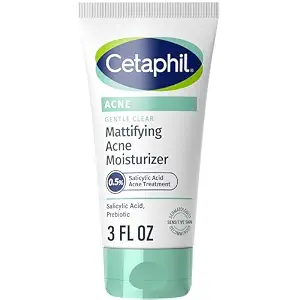
Cetaphil Gentle Clear Mattifying Acne Moisturizer is a practical option for shoppers who want hydration and an acne-treatment ingredient in one step. The formula is marketed as a lightweight mattifying moisturizer and includes 0.5% salicylic acid, an ingredient commonly used in products for clogged pores and blemishes.
Why it stands out: it combines a moisturizer format with a low-strength salicylic acid treatment. That can appeal to oily skin types that want a less shiny finish and a simple routine. Retail listings describe it as fast absorbing and intended for sensitive, blemish-prone skin.
Best suited to: oily or blemish-prone skin that tolerates salicylic acid. The main caution is routine overlap. If you already use a salicylic acid cleanser, leave-on exfoliant, retinoid, or benzoyl peroxide, adding another active can increase dryness, peeling, or stinging.
Start slowly and follow the product label. If your skin becomes tight or irritated, reduce how often you use it and consider a plain moisturizer on alternate days. Avoid combining multiple new acne treatments at once.
Shop on Amazon: View current Amazon listings (Replace this search link with your own Amazon Associates-tagged product URL before publishing.)
3. La Roche-Posay Toleriane Double Repair Face Moisturizer — Best Everyday Barrier Support
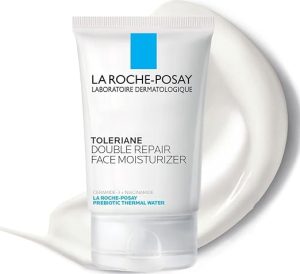
La Roche-Posay Toleriane Double Repair Face Moisturizer is a versatile cream-lotion for people who want more comfort than a watery gel but do not want a thick balm. Its product information highlights ingredients such as ceramide-3, niacinamide, and glycerin, which make it a reasonable option for supporting everyday hydration.
Why it stands out: it offers a balance of moisture and barrier-supporting ingredients. Glycerin is a humectant that helps attract water, while ceramides are part of the skin’s natural barrier. Niacinamide is commonly used to support the look and feel of the skin barrier.
Best suited to: normal, combination, and sensitive-leaning skin, including people whose skin feels dry from cleansing or acne treatments. Very oily users who want a matte finish may prefer the CeraVe Oil Control Gel-Cream instead.
Apply a thin layer to slightly damp skin. If you are acne-prone, use a small amount first and observe your skin over several weeks rather than assuming that a product labeled oil-free will suit everyone.
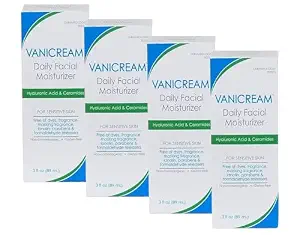
4. Vanicream Daily Facial Moisturizer — Best for Sensitive Skin
Vanicream Daily Facial Moisturizer is worth considering if your skin reacts easily to fragrance or a crowded ingredient list. The brand positions it as a gentle daily facial moisturizer, and retailer descriptions highlight ceramides and hyaluronic acid in a lightweight formula.
Why it stands out: it focuses on straightforward hydration rather than a strong exfoliating or acne-treatment effect. Hyaluronic acid helps attract water, while ceramides help support the skin barrier. A simpler, fragrance-free approach may be useful when your routine already includes active ingredients.
Best suited to: sensitive, normal, and combination skin, or anyone who wants a daily moisturizer without added fragrance. It is not primarily designed to absorb oil or create a matte finish, so very oily users may prefer a gel texture.
Use after cleansing and after any treatment product has settled. If you are testing it because your skin is irritated, pause other newly introduced products so you can tell whether the moisturizer is comfortable for you.
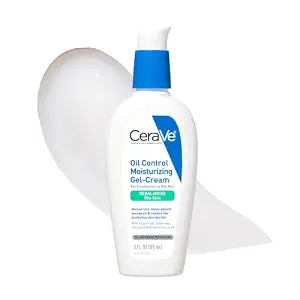
5. CeraVe Oil Control Moisturizing Gel-Cream — Best for Oily Skin
CeraVe Oil Control Moisturizing Gel-Cream is designed for combination to oily skin and aims to hydrate while helping reduce excess shine. Its product information highlights three essential ceramides and an oil-control approach, giving it a different role from richer barrier creams.
Why it stands out: the gel-cream format is appealing if traditional creams feel too heavy. Ceramides help support the skin barrier, while the oil-control positioning makes this a logical option for people who want hydration without a noticeably greasy finish.
Best suited to: oily and combination skin, especially when shine is a bigger concern than flaking. If your cheeks are dry but your T-zone is oily, you can apply a lighter layer across the face and add a little more only to dry areas.
Use a small amount after cleansing. If you are using a drying acne medication, check whether this level of moisture is enough; a mattifying formula is not automatically the best choice when the skin barrier is irritated or peeling.
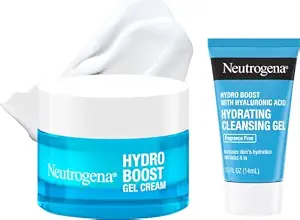
6. Neutrogena Hydro Boost Gel-Cream Fragrance Free — Best Lightweight Hydration
Neutrogena Hydro Boost Gel-Cream Fragrance Free is a lightweight option for shoppers who prefer a fresh, water-gel feel. The fragrance-free version is important to distinguish from other Hydro Boost products, because the line includes different textures and formulas. Check the exact product name and package before buying.
Why it stands out: hyaluronic acid is a humectant that helps draw water into the outer layers of skin. A gel-cream can feel comfortable under sunscreen or makeup, especially when richer creams leave a sticky or heavy finish.
Best suited to: normal, combination, and some oily skin types that need lightweight hydration. If your skin is very dry, compromised, or exposed to cold weather, this may work better layered under a more nourishing moisturizer rather than used alone.
Apply to slightly damp skin and follow with sunscreen during the day. Choose the fragrance-free version if you are trying to keep your routine low-irritant, and confirm the current label because product variants can differ.
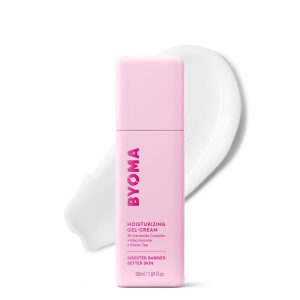
7. BYOMA Gel Cream Moisturizer — Best Lightweight Gel-Cream Alternative
BYOMA Gel Cream Moisturizer is another option for people who prefer a light, oil-free gel-cream texture. Retail product information describes it as a lightweight daily moisturizer with a barrier-supporting blend and a quick-absorbing feel.
Why it stands out: it offers a middle ground between a watery gel and a traditional cream. That texture can be appealing if you want a moisturizer that feels light but still leaves skin comfortable after cleansing.
Best suited to: combination and oily skin, or anyone who dislikes heavy creams. If you have very sensitive skin, review the full ingredient list and patch-test first; “lightweight” does not automatically mean irritation-free.
Use it as the moisturizing step after cleansing or treatment products. If your skin feels tight later in the day, consider using a richer fragrance-free moisturizer on dry areas rather than applying a large amount of gel cream all over.
What Does Non-Comedogenic Mean?
“Non-comedogenic” means a product is formulated or marketed as less likely to contribute to comedones, which include blackheads and whiteheads. In everyday skincare shopping, you may also see phrases such as “won’t clog pores” or “oil-free.” These labels can help narrow your choices, but they are not a personal guarantee. People can react differently to the same formula, and acne has multiple causes beyond moisturizer choice.
The American Academy of Dermatology recommends that people with acne look for moisturizers labeled oil-free, non-comedogenic, or “won’t clog pores.” The AAD also explains that moisturizer can be helpful when acne treatments such as benzoyl peroxide, salicylic acid, adapalene, or tretinoin cause dryness and irritation. Read its guidance here: https://www.aad.org/public/diseases/acne/skin-care/moisturizer.
A useful point for readers: do not automatically avoid every oil or rich ingredient based on an online pore-clogging list. Ingredient behavior depends on the complete formula, concentration, and individual skin. Instead, prioritize products labeled for your skin type, introduce one new product at a time, and monitor your own response.
Ingredients to Look For in a Moisturizer Non Pore Clogging Formula
Humectants: Glycerin and Hyaluronic Acid
Humectants attract and hold water in the outer layers of skin. Glycerin is a well-established moisturizing ingredient, while hyaluronic acid is popular in lightweight gels and serums. They can be useful when you want hydration without relying on a thick, oily feel. A humectant-based product still needs a balanced formula to keep skin comfortable.
Ceramides and Barrier-Supporting Ingredients
Ceramides are lipids naturally found in the skin barrier. Moisturizers containing ceramides can help support a comfortable, hydrated skin surface, particularly when cleansing or acne treatments leave skin feeling dry. Look for formulas that combine barrier-supporting ingredients with a texture your skin tolerates.
Niacinamide
Niacinamide is a form of vitamin B3 used in many moisturizers. It can support the skin barrier and may help improve the appearance of redness or uneven tone. It is not a guaranteed acne treatment, and some people experience irritation from particular formulas, so patch-testing remains sensible.
Ingredients and Formulas to Approach Carefully
There is no universal blacklist that predicts whether a moisturizer will clog your pores. If a particular rich product repeatedly seems to trigger congestion for you, consider switching to a lighter formula. Fragrance can also bother sensitive or inflamed skin, even though it is not the same thing as a pore-clogging ingredient. The complete formula and your own skin response matter more than a single ingredient list circulating online.
How to Choose by Skin Type
Oily Skin
Choose a light lotion, gel, or gel-cream with a non-comedogenic or oil-free label. CeraVe Oil Control Gel-Cream may suit people who want help managing shine, while Neutrogena Hydro Boost Fragrance Free offers a lighter hydration-focused option. If your skin is oily but feels tight after washing, do not skip moisturizer; choose a lighter layer instead.
Acne-Prone Skin
Look for a moisturizer labeled non-comedogenic, oil-free, or won’t clog pores. Paula’s Choice CLEAR is positioned for acne-prone skin, while Cetaphil Gentle Clear includes salicylic acid. Remember that a moisturizer with an acne active is not automatically better: if you already use several treatments, a simple moisturizer may be the more comfortable choice.
Sensitive Skin
Prioritize fragrance-free formulas and avoid introducing several new products at once. Vanicream Daily Facial Moisturizer or La Roche-Posay Toleriane Double Repair may be worth comparing, depending on the texture you prefer. Patch-test first, particularly if your skin is currently irritated.
Dry or Dehydrated Skin
Do not assume that acne-prone skin must use only watery gels. If your face feels flaky or tight, a lotion with glycerin and ceramides may be more comfortable. You can use a slightly richer product on dry areas and a lighter gel on the oilier T-zone. The best moisturizer is not necessarily the thinnest one; it is the one that hydrates without causing persistent discomfort or congestion.
How to Use a Moisturizer Without Overloading Your Routine
Start with a gentle cleanser, then apply your moisturizer to slightly damp skin. Use the amount recommended on the package; more product does not necessarily mean better hydration. In the morning, finish with a broad-spectrum SPF 30 or higher sunscreen. At night, use your moisturizer after cleansing and after any treatment step according to that product’s directions.
Introduce one new product at a time. Give your skin time to respond, and keep notes if you are prone to breakouts. A few isolated pimples do not prove that a moisturizer is comedogenic, but a repeated pattern of congestion or irritation is a reason to stop and reassess. If you have painful, persistent, or scarring acne, a board-certified dermatologist can help you build a treatment plan.
Common Mistakes That Can Make Pore-Prone Skin Harder to Manage
- Skipping moisturizer completely: acne treatments can dry the skin, and moisturizer may help reduce discomfort.
- Using too many active ingredients: layering several exfoliants or acne treatments can increase irritation.
- Assuming oil-free means suitable for everyone: texture, the complete formula, and personal tolerance still matter.
- Changing the whole routine at once: it becomes difficult to identify which product is causing a reaction.
- Ignoring sunscreen: daily sun protection is an important part of a balanced skincare routine.
Frequently Asked Questions
What is the best moisturizer that does not clog pores?
There is no single best option for everyone. Paula’s Choice CLEAR is designed for acne-prone skin, CeraVe Oil Control may suit oily skin, and Vanicream Daily Facial Moisturizer is an option for people who prefer a gentle, fragrance-free formula. Choose according to your skin type and check the current label.
How can I tell if a moisturizer is non-comedogenic?
Look for “non-comedogenic,” “oil-free,” or “won’t clog pores” on the product packaging. These labels indicate that the product is intended to be less likely to clog pores, but they cannot guarantee that every person will tolerate it.
Can oily skin use moisturizer every day?
Yes. Oily skin can still become dehydrated or irritated, especially when using acne treatments or strong cleansers. A lightweight, non-comedogenic moisturizer can help keep skin comfortable without requiring a heavy cream.
Does non-comedogenic mean acne-proof?
No. Non-comedogenic does not mean acne-proof, and it does not treat every cause of acne. Hormones, genetics, medications, and other skincare products can also influence breakouts.
Are gel moisturizers better for clogged pores?
Gel moisturizers often feel lighter and less greasy, which some people with oily skin prefer. However, a gel is not automatically non-comedogenic, and a well-formulated lotion may work better for someone who is dry or sensitive.
Should I avoid all oils and shea butter?
Not necessarily. Ingredient lists alone cannot predict how a complete product will behave on every person’s skin. If a specific formula repeatedly causes congestion for you, choose another texture and track your response rather than relying on a universal ingredient blacklist.
Can I use a non-comedogenic moisturizer with retinol or acne medication?
Often, yes. Moisturizer can help reduce dryness from treatments such as retinoids or benzoyl peroxide. Follow the directions from your prescriber or product label, introduce products gradually, and ask a dermatologist if irritation persists.
How long should I test a new moisturizer?
Patch-test first and introduce only one new product at a time. Watch for irritation soon after application and monitor longer-term changes in congestion. If you develop a rash, swelling, burning, or persistent worsening, stop using it and seek medical advice when needed.
Final Verdict: Which One Should You Choose?
If your priority is a lightweight formula made for breakout-prone skin, start by comparing Paula’s Choice CLEAR with CeraVe Oil Control. If you want an affordable moisturizer that also contains salicylic acid, Cetaphil Gentle Clear may be worth considering, provided your routine is not already overloaded with exfoliating treatments. For sensitive skin, Vanicream offers a simpler fragrance-free direction, while La Roche-Posay Toleriane Double Repair may suit anyone who wants a more cushiony everyday lotion.
The smartest approach is to match the formula to your skin rather than chasing a universal “pore-safe” product. Choose one moisturizer, patch-test it, use it consistently, and keep the rest of your routine steady while you evaluate it. A comfortable, repeatable routine is more useful than buying several products at once.
If you want to read more about this, check out our detailed guide here.
https://zaisufbeauty.com/how-long-to-leave-argan-oil-in-hair/