This post may contain affiliate links. If you purchase through a link on this page, we may earn a small commission at no extra cost to you.
Finding the right treatment for damaged hair depends on what actually caused the damage. Bleach and chemical processing can weaken hair structurally, while repeated heat styling, rough brushing, coloring, and environmental exposure can leave the hair dry, rough, frizzy, and more prone to breakage.
In this guide, we compare 10 real hair repair treatments available through Amazon for the U.S. market. Instead of treating every damaged-hair problem the same way, we separate bond-repair treatments, conditioning masks, leave-in repair products, oils, and smoothing treatments so you can match the product to the type of damage you are actually seeing.
If you searched for the best treatment for damaged hair, damaged hair treatment, hair repair treatments, or a hair repair treatment for damaged hair, start with the damage-type guide below before choosing a product.
Quick Answer: What Is the Best Treatment for Damaged Hair?
There is no single best treatment for every type of damage. For bleach, chemical, or severe processing damage, a bond-repair or molecular-repair treatment is usually the most relevant category. For dry, brittle hair without major breakage, a deep-conditioning mask can be more appropriate. Weak hair that breaks or stretches excessively may benefit from a protein-focused treatment, while heat-damaged hair also needs consistent heat protection.
Among the products in this guide, K18 Leave-In Molecular Repair Hair Mask, OLAPLEX No.3 Hair Perfector, and Redken Acidic Bonding Concentrate Intensive Treatment are examples of products positioned around repair or bond-support, while Briogeo Don’t Despair, Repair! and L’Oréal Elvive Total Repair 5 provide conditioning-focused options for dry or damaged hair.
Quick Comparison: Hair Repair Treatments
| Product | Type | Best For | Format |
| K18 Leave-In Molecular Repair Hair Mask | Molecular repair | Bleach, color, chemical & heat damage | Leave-in mask |
| OLAPLEX No.3 Hair Perfector | Bond repair | Damaged and chemically treated hair | Pre-shampoo treatment |
| Redken Acidic Bonding Concentrate Intensive Treatment | Bond support | Dry, damaged & color-treated hair | Rinse-out pre-treatment |
| Briogeo Don’t Despair, Repair! Deep Conditioning Mask | Protein + moisture | Dry, damaged & over-processed hair | Deep-conditioning mask |
| SheaMoisture Jamaican Black Castor Oil Treatment Masque | Deep conditioning | Dry, damaged & chemically processed hair | Hair masque |
| Living Proof Restore Repair Leave-In | Leave-in repair | Dry, damaged hair & split-end prevention | Leave-in treatment |
| COLOR WOW Dream Coat Supernatural Spray | Smoothing/protection | Frizz and humidity on damaged hair | Spray |
| L’Oréal Paris Elvive Total Repair 5 Damage-Erasing Balm | Repairing mask | Dry, damaged & overworked hair | Rinse-out balm |
| Moroccanoil Treatment Hair Oil | Smoothing/sealing | Dry, frizzy and damaged ends | Hair oil |
| OLAPLEX No.8 Bond Intense Moisture Mask | Moisture + repair | Dry, damaged hair needing moisture | Hair mask |
Is Your Hair Actually Damaged? 5 Signs to Check
- Excessive breakage: strands snap off instead of simply shedding from the root.
- Frequent split ends: damaged ends return quickly or travel farther up the strand.
- Rough, brittle or ‘fried’ texture compared with your normal hair.
- Reduced elasticity: wet hair stretches unusually far and does not return to its normal shape.
- Persistent dryness, dullness or tangling that does not improve with normal conditioning.
What Caused the Damage?
- Bleaching and lightening can weaken hair and make it more fragile.
- Repeated coloring or other chemical services can add cumulative stress.
- Flat irons, curling tools and frequent high-heat blow-drying can contribute to dryness and breakage.
- Rough brushing, tight hairstyles and aggressive towel-drying can cause mechanical breakage.
- Sun, chlorine and other environmental exposure can add to cumulative damage.
Bond Repair vs. Protein vs. Moisture: What Does Your Hair Need?
Bond-repair and molecular-repair products are marketed for structural damage associated with chemical processing, bleaching, coloring, and other stress. Protein treatments are aimed more broadly at strengthening weak strands. Moisture-focused masks and conditioners are most useful when the main problem is dryness, roughness, or lack of softness.
These categories can overlap. A damaged head of hair may need a repair-focused treatment plus regular conditioning, rather than relying on one product for every problem.
How We Chose These Treatments
We selected real products based on their stated purpose, product format, ingredient or technology positioning, hair-type suitability, and relevance to the damage types covered in this guide. We also checked current product identifiers so each Amazon link points to a specific product rather than a generic search page.
These are product-research recommendations, not results from in-person testing by the ZaisufBeauty team. Individual results vary by hair type, damage severity, styling routine, and product use.
The 10 Best Treatments for Damaged Hair
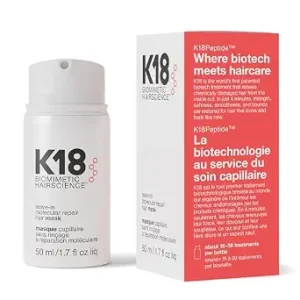
1. K18 Leave-In Molecular Repair Hair Mask — Best for severe chemical, bleach and heat-related damage
K18 is a leave-in molecular repair treatment designed for damaged hair. It is especially relevant when damage follows bleach, color, chemical services or repeated heat styling.
Key Features: K18PEPTIDE molecular-repair technology; leave-in format; no-rinse treatment.
Why We Recommend It: A concentrated option for readers specifically looking for a hair repair treatment rather than a traditional conditioner.
Potential Drawback: Because it is concentrated, follow the product directions and avoid assuming that more product means better results.
Best For: Bleached, color-treated, chemically processed or heat-stressed hair.
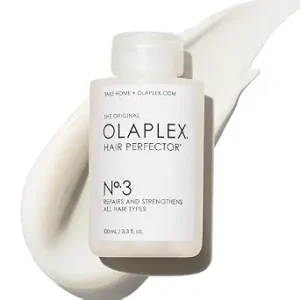
2. OLAPLEX No.3 Hair Perfector — Best-known pre-shampoo repair treatment
OLAPLEX No.3 is an at-home repairing treatment used before shampooing. It is designed for all hair types and is commonly used in routines for damaged or chemically treated hair.
Key Features: Pre-shampoo treatment; bond-building technology; all-hair-type positioning.
Why We Recommend It: A recognizable treatment format that fits the search intent behind ‘best hair repair treatment’ and ‘treatment for damaged hair.
Potential Drawback: It is a pre-shampoo treatment, not a replacement for your regular conditioner or mask.
Best For: Dry, damaged, color-treated or chemically processed hair.
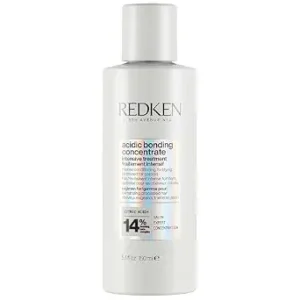
3. Redken Acidic Bonding Concentrate Intensive Treatment — Best for color-treated and processed hair
This rinse-out pre-treatment is designed for dry, damaged and color-treated hair. Redken positions it around Citric Acid and its Bonding Care Complex, with a short 5–10 minute treatment time.
Key Features: Citric Acid; Bonding Care Complex; rinse-out pre-treatment.
Why We Recommend It: Useful when you want a short treatment step before shampooing.
Potential Drawback: Results depend on consistent use and the condition of the hair; do not treat marketing claims as a guarantee for every person.
Best For: Color-treated, chemically processed, dry or damaged hair.
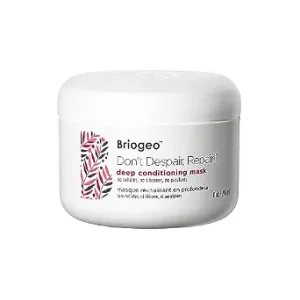
4. Briogeo Don’t Despair, Repair! Deep Conditioning Mask — Best for dry and over-processed hair
This weekly deep-conditioning mask combines protein and moisture-focused conditioning for dry, damaged and over-processed hair.
Key Features: Rosehip oil; algae; proteins; deep-conditioning format.
Why We Recommend It: A useful choice when damaged hair feels both dry and weak rather than needing only a bond-focused product.
Potential Drawback: It is a rinse-out mask, so it does not replace a leave-in or heat protectant when those steps are needed.
Best For: Dry, damaged, over-processed and color-treated hair.
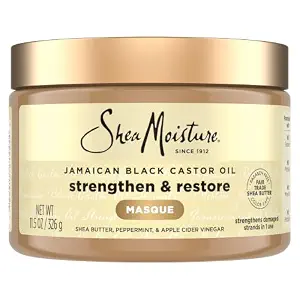
5. SheaMoisture Jamaican Black Castor Oil Treatment Masque — Best for dry, textured and chemically processed hair
A rich deep-conditioning masque featuring Jamaican Black Castor Oil and Shea Butter, positioned for dry, damaged and chemically processed hair.
Key Features: Jamaican Black Castor Oil; Shea Butter; deep-conditioning format.
Why We Recommend It: A richer option for readers with textured hair who need softness and conditioning
Potential Drawback: May feel heavy on very fine hair if too much is applied.
Best For: Dry, curly, coily, natural or chemically processed hair.
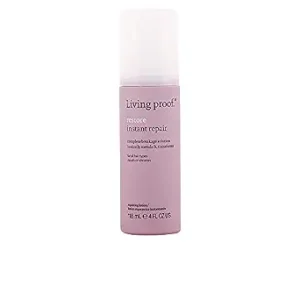
6. Living Proof Restore Repair Leave-In — Best leave-in for ongoing protection
Living Proof’s Restore Repair Leave-In is designed for dry, damaged hair and can be used after washing as a leave-in step.
Key Features: Healthy Hair Molecule (OFPMA); leave-in format; UV-protection positioning.
Why We Recommend It: Useful when you want daily conditioning and protection rather than a weekly mask only.
Potential Drawback: Use a small amount, especially on fine hair.
Best For: Dry, damaged, color-treated or chemically treated hair.
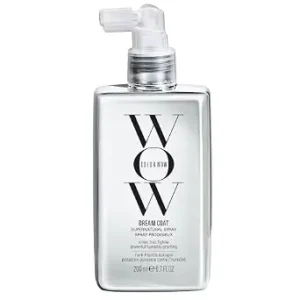
7. COLOR WOW Dream Coat Supernatural Spray — Best for frizz and humidity
Dream Coat is a heat-activated smoothing spray that targets frizz and humidity. It is best viewed as a smoothing/protection step rather than a structural repair treatment.
Key Features: Humidity-resistant film; heat-activated spray; smoothing finish.
Why We Recommend It: Useful when damaged or porous hair becomes especially frizzy in humid weather.
Potential Drawback: It cannot replace a bond-repair or deep-conditioning treatment when the underlying problem is structural damage.
Best For: Frizzy, porous, color-treated or humidity-sensitive hair.
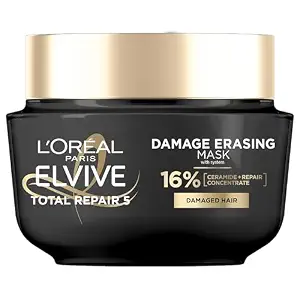
8. L’Oréal Paris Elvive Total Repair 5 Damage-Erasing Balm — Best budget-friendly damaged-hair mask
This rinse-out balm is designed for damaged, overworked hair and uses a repair-focused formula with almond oil and protein.
Key Features: Almond oil; protein; rinse-out balm format.
Why We Recommend It: A lower-cost option for readers who want a simple damaged-hair treatment without moving straight to premium repair products.
Potential Drawback: It is primarily a conditioning treatment, so severe chemical damage may call for a more specialized repair approach.
Best For: Dry, rough, dull or over-processed hair.
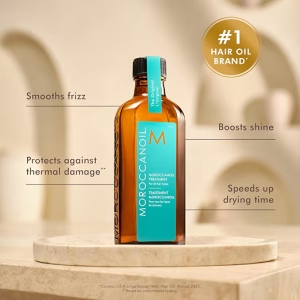
9. Moroccanoil Treatment Hair Oil — Best for dry ends, shine and sealing
Moroccanoil Treatment is an oil-based finishing product that helps smooth the hair, add shine and manage frizz. It works best as a finishing or sealing step rather than as the only repair treatment.
Key Features: Argan oil; smoothing oil format; finishing step.
Why We Recommend It: Useful for dry ends and frizz when you want a lightweight finishing step.
Potential Drawback: Oil does not replace a water-based conditioner or repair treatment.
Best For: Dry, frizzy, coarse or damaged ends.
10. OLAPLEX No.8 Bond Intense Moisture Mask — Best for moisture-focused repair
A rinse-out mask aimed at adding moisture and conditioning to damaged hair. It fits routines where dryness and roughness are more prominent than severe breakage.
Key Features: Moisture-focused mask; bond-care positioning; rinse-out treatment.
Why We Recommend It: Useful as a conditioning step when damaged hair needs softness as well as repair support.
Potential Drawback: Very fine hair may need a smaller amount to avoid weighing it down.
Best For: Dry, damaged, coarse or processed hair.
Best Treatment for Damaged Hair by Damage Type
| Damage Type | Treatment to Consider |
| Bleached or lightened hair | K18 Leave-In Molecular Repair Hair Mask or OLAPLEX No.3 |
| Color-treated hair | Redken Acidic Bonding Concentrate Intensive Treatment |
| Dry and brittle hair | Briogeo Don’t Despair, Repair! or OLAPLEX No.8 |
| Curly or coily damaged hair | SheaMoisture Jamaican Black Castor Oil Treatment Masque |
| Fine damaged hair | Living Proof Restore Repair Leave-In |
| Heat-styled hair | A repair treatment plus consistent heat protection |
| Frizzy damaged hair | COLOR WOW Dream Coat as a smoothing step |
| Damaged ends | Moroccanoil Treatment as a finishing/sealing step |
| Budget repair routine | L’Oréal Paris Elvive Total Repair 5 Damage-Erasing Balm |
Ingredients and Technologies That Can Help Damaged Hair
- Bond-support or molecular-repair technologies: designed for hair weakened by chemical processing or other structural stress.
- Proteins and amino acids: useful in formulas aimed at strengthening or conditioning weak strands.
- Humectants such as glycerin and panthenol: help support moisture and softness.
- Emollients such as argan oil, shea butter and jojoba oil: improve slip and surface smoothness.
- Ceramides and conditioning agents: can support smoother-feeling, more manageable hair.
Can Damaged Hair Actually Be Repaired?
Hair that has grown beyond the scalp is not living tissue, so a product cannot biologically restore a damaged strand to its original state. Treatments can improve the hair’s feel, appearance, manageability, and resistance to further breakage, but a physically split end cannot be permanently reattached. Trimming is the way to remove the split section.
How to Use a Treatment for Damaged Hair
- Identify the main problem first: structural damage, weakness, dryness, frizz, or a combination.
- Read the product directions because bond treatments, masks and leave-ins can have very different application steps.
- Use the recommended amount rather than layering multiple rich products automatically.
- Give a repair routine several consistent uses before deciding whether it fits your hair.
- Use heat protection whenever you use hot tools; prevention is essential if heat is contributing to the damage.
How to Prevent Further Hair Damage
- Use heat protectant before blow-drying, flat-ironing or curling.
- Space out bleaching, coloring, relaxing, perming and other chemical services when possible.
- Detangle gently, starting at the ends and working upward.
- Reduce friction from rough towels and tight hairstyles.
- Trim visibly split ends instead of relying on a serum to permanently repair them.
At-Home vs. Salon Treatments
Most routine dryness, frizz and mild-to-moderate damage can be managed at home with consistent conditioning, appropriate repair treatments and better damage prevention. Consider professional evaluation when breakage is severe, hair becomes unusually stretchy or gummy when wet, or significant chemical processing has caused rapid deterioration.
Frequently Asked Questions
What is the best treatment for damaged hair?
It depends on the cause. Bond-repair or molecular-repair products are designed for chemically processed or bleached hair, while deep-conditioning masks are more appropriate when dryness and roughness are the main problems.
What is the best treatment for extremely damaged hair?
For severe or over-processed hair, a specialized repair treatment combined with intensive conditioning and reduced chemical or heat exposure is a sensible approach. If breakage is severe, professional assessment may also be appropriate.
What is the best hair repair treatment?
The best hair repair treatment depends on the type of damage. K18 and OLAPLEX No.3 are examples of repair-focused treatments, while Redken Acidic Bonding Concentrate targets damaged and color-treated hair.
What are the best hair repair treatments for damaged hair?
Useful categories include molecular or bond-repair treatments, protein or reconstruction treatments, deep-conditioning masks, and leave-in repair products. Choose according to the cause and severity of damage.
Can damaged hair actually be repaired?
Treatments can improve the feel, appearance, smoothness and manageability of damaged hair and can help reduce further breakage. They cannot biologically restore a split strand; damaged split ends need to be trimmed.
Does damaged hair need protein or moisture?
Hair that is mainly dry, rough and dull usually needs conditioning and moisture. Hair that is weak, breaking or unusually stretchy may need a strengthening or protein-focused treatment. Some damaged hair needs both.
What is the best treatment for bleached or color-treated hair?
A repair-focused treatment designed for chemically processed hair can be useful, followed by regular conditioning. K18, OLAPLEX No.3 and Redken Acidic Bonding Concentrate are examples of products in this category.
How often should I use a hair treatment for damaged hair?
Follow the specific product instructions. Weekly masks are common for deep conditioning, while concentrated repair products may have a different schedule. Avoid assuming that using a treatment more often will produce better results.
Can hair treatments fix split ends?
No product permanently reattaches a split end. Smoothing products can temporarily improve the appearance, but trimming is the permanent way to remove the split portion.
How do I know if my hair damage is from heat or chemicals?
Heat damage often affects frequently styled sections and is associated with dryness, roughness and loss of curl pattern. Chemical damage can affect processed lengths more broadly and may include reduced elasticity and breakage. Both can occur together.
Which Damaged Hair Treatment Should You Choose?
Choose based on the problem you are actually trying to solve. If your hair has been bleached or chemically processed and is breaking, start by researching a bond or molecular-repair treatment. If the main issue is dryness, roughness or dullness, a deep-conditioning mask may be the more useful first step. If frizz and humidity are the main problems, add a smoothing product after conditioning.
The goal is not to use the most expensive treatment. It is to match the treatment mechanism to the type of damage and then reduce the source of ongoing damage.
Disclaimer: The products mentioned are recommendations based on research and verified customer reviews rather than in-person testing. Individual results may vary based on hair type, damage severity, and how consistently a treatment is used. This article is not a substitute for professional dermatological or trichological advice.