This post may contain affiliate links. If you purchase through a link on this page, we may earn a small commission at no extra cost to you.
Finding the right products for dry thick hair usually comes down to one tricky balance: your hair needs real conditioning to feel soft, but too rich a formula can leave it feeling heavy, coated, or greasy at the roots. Thick hair doesn’t automatically mean you need the richest, heaviest product on the shelf — it means you need the right amount of moisture matched to how coarse, dense, or damaged your specific hair actually is.
If you’re comparing the best products for dry coarse hair, looking for a dry coarse hair treatment, or simply trying to figure out why your thick dry hair never seems to stay soft, the same principle applies: first identify whether you’re dealing with dryness, damage, fine strands, true coarseness, or buildup.
This guide walks through what actually makes thick hair dry, how to tell the difference between “thick” and “coarse” hair (they are not the same thing), and 10 specific product picks organized by what your hair actually needs — whether that’s deep hydration, lightweight conditioning, damage repair, heat protection, or simply a reset from product buildup.
Table of Contents
1. Quick Comparison: Products for Dry, Thick Hair
2. What Makes Thick Hair Dry?
3. Thick vs. Coarse Hair: What’s the Difference?
4. How to Choose Products for Dry, Thick Hair
5. How We Chose These Products
6. 10 Best Products for Dry, Thick Hair
7. Ingredients That Actually Help
8. How to Hydrate Thick Hair Without Weighing It Down
9. Dry vs. Damaged Hair: What Does Yours Actually Need?
10. Could Buildup Be the Real Problem?
11. Choosing by Texture
12. A Simple Routine for Dry, Thick Hair
13. What to Avoid
14. Frequently Asked Questions
15. Final Verdict
Quick Comparison: Products for Dry, Thick Hair
| Product | Type | Best For | Key Ingredients / Formula |
| Kérastase Nutritive Bain Satin Riche | Shampoo | Medium to thick, very dry hair | Plant-based proteins, niacinamide, glycerin |
| Briogeo Don’t Despair, Repair! Super Moisture Shampoo | Shampoo | Dry, damaged thick hair | Shea butter, coconut oil, panthenol, glycerin |
| Aussie 3 Minute Miracle Moist | Deep conditioner | Dry, tangled hair | Avocado oil, fatty alcohols, conditioning agents |
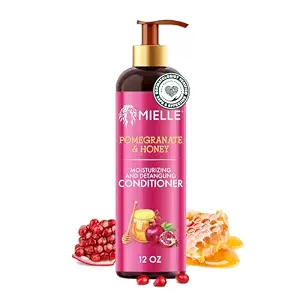
| Mielle Pomegranate & Honey Detangling Conditioner | Conditioner | Thick, curly Type 4 hair | Pomegranate oil, honey, glycerin, babassu/murumuru oils |
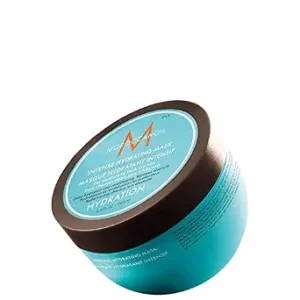
| Moroccanoil Intense Hydrating Mask | Mask | Dry, thick hair needing weekly moisture | Argan oil, conditioning ingredients |
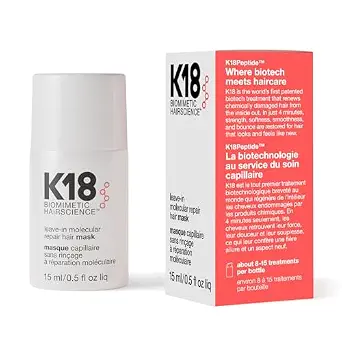
| K18 Leave-In Molecular Repair Hair Mask | Treatment | Thick + damaged/bleached hair | K18PEPTIDE, conditioning alcohols |
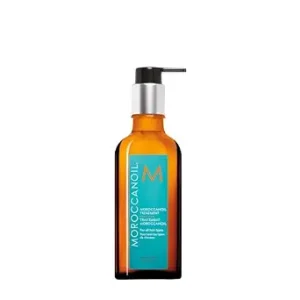
| Moroccanoil Treatment Original | Hair oil | Dry ends, frizz and thick hair | Argan oil, silicones, linseed extract |
| Oribe Supershine Moisturizing Cream | Leave-in | Medium to thick hair + heat/frizz | Panthenol, proteins, silicones, botanical extracts |
| Briogeo Farewell Frizz Blow Dry Perfection & Heat Protectant Crème | Heat protectant | Dry, thick, frizzy hair styled with heat | Rosehip, argan and coconut oils, panthenol |
| OUAI Thick Hair Treatment Masque | Mask | Thick hair needing richer conditioning | Conditioning agents, nourishing oils/butters |
What Makes Thick Hair Dry?
Thick hair dries out for a specific reason: natural scalp oil has a longer distance to travel down each strand, and with more hair overall, there’s simply less oil to go around. On top of that, thick hair is often also coarse, which means each strand has a rougher outer layer (cuticle) that can make it harder for moisture to stay in the hair.
Add in common contributors like heat styling, chemical processing, sun exposure, or hard water, and it’s easy to see why thick hair frequently ends up feeling dry even with a “normal” hair-care routine. The fix isn’t necessarily more product — it’s the right type of product applied the right way.
Thick vs. Coarse Hair: What’s the Difference?
This distinction gets confused constantly, and it actually changes what you should buy.
| Term | What It Actually Describes |
| Thick hair | The density of hair on your scalp — how much hair you have overall |
| Coarse hair | The diameter of each individual strand — how wide or rough it feels |
| Fine hair | Smaller individual strand diameter |
| High-porosity hair | Hair that absorbs moisture quickly but can lose it quickly too |
| Low-porosity hair | Hair that resists absorbing products, which can contribute to buildup |
You can have thick, fine-stranded hair (lots of thin hairs) or genuinely coarse hair that isn’t especially dense. Knowing which one describes you changes whether you should reach for a lightweight formula or a genuinely rich one.
How to Choose Products for Dry, Thick Hair
| Your Situation | What to Look For |
| Thick + coarse + very dry | Rich conditioner, deep-conditioning mask |
| Thick + fine strands + dry | Lightweight hydrating conditioner and leave-in |
| Thick + curly/coily + dry | Moisture-focused conditioner, rich leave-in, curl cream |
| Thick + frizzy | Smoothing conditioner plus anti-frizz serum |
| Thick + damaged/color-treated | Bond-repair treatment alongside gentle, moisturizing cleansing |
| Thick + coated/heavy feeling | Clarifying shampoo before adding more rich products |
| Thick + dry from heat styling | Heat protectant used consistently, plus conditioning |
How We Chose These Products
None of these products were personally tested by our team, and it’s worth being upfront about that. Each pick was evaluated based on:
- Whether the formula is genuinely suited to thick or coarse hair rather than marketed generically as “moisturizing.”
- Ingredient and formula information, with attention to humectants, emollients, conditioning agents and strengthening ingredients appropriate for thicker strands.
- Whether the product is likely to weigh hair down, based on its formulation and intended hair type.
- Price relative to the size and expected frequency of use.
- Current manufacturer information and current Amazon search availability for readers who want to compare live listings.
We do not treat a high price, a long ingredient list, or a “moisture” claim as proof that a product is right for every type of thick hair. The goal is to match the product to the specific reason your hair feels dry.
10 Best Products for Dry, Thick Hair
The products below are real, currently marketed products selected to cover different needs instead of giving you 10 nearly identical moisturizers. Amazon availability, prices and pack sizes can change, so the live Amazon listing should always be checked before purchase.
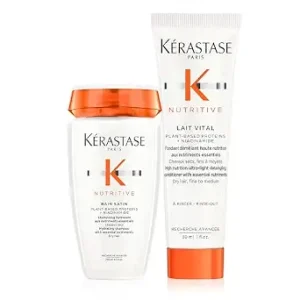
1. Kérastase Nutritive Bain Satin Riche Shampoo
Best for: Medium to thick, very dry hair
Type: Shampoo
Why We Recommend It
A strong fit when the main problem is dryness rather than buildup. Kérastase currently describes Bain Satin Riche as a rich hydrating shampoo for medium to thick dry hair and highlights plant-based proteins, niacinamide and glycerin. citeturn2search2turn2search4
Pros
- Specifically designed for medium-to-thick dry hair
- Rich cleansing and conditioning profile
- Current formula includes plant-based proteins and niacinamide
Cons
- Premium price
- Can be more conditioning than fine-stranded thick hair needs
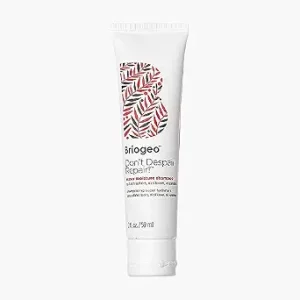
2. Briogeo Don’t Despair, Repair! Super Moisture Shampoo
Best for: Dry or damaged thick hair
Type: Shampoo
Why We Recommend It
This is a useful choice when dryness comes with visible damage. Current Briogeo/Amazon-affiliated product information describes the Super Moisture Shampoo as part of a repair-focused system and lists shea butter, coconut oil, biotin, panthenol and glycerin in the formula. citeturn0search0turn0search11
Pros
- Moisture plus damage-care positioning
- Useful for dry, damaged hair
- Sulfate-free product line positioning
Cons
- Not a dedicated clarifying shampoo
- Very fine strands may prefer a lighter cleanser
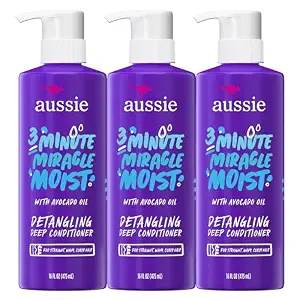
3. Aussie 3 Minute Miracle Moist Deep Conditioner
Best for: Dry, tangled thick hair on a budget
Type: Deep conditioner
Why We Recommend It
A practical budget-friendly deep-conditioning option. Aussie says the current formula is made for dry, knotted hair, contains avocado oil, and is designed to work in three minutes. citeturn7search1
Pros
- Low-cost deep-conditioning step
- Designed for dry, tangled hair
- Quick three-minute treatment
Cons
- Rich texture may be too much for fine strands if overused
- Not a repair treatment for severe structural damage
4. Mielle Pomegranate & Honey Detangling Conditioner
Best for: Thick, curly and Type 4 hair
Type: Conditioner
Why We Recommend It
Mielle specifically describes this conditioner as being made for thick, curly Type 4 hair, with intense hydration, slip and detangling support. The current formula includes pomegranate seed oil, honey, glycerin, babassu oil and murumuru butter. citeturn7search2turn7search3
Pros
- Strong fit for thick curly/coily hair
- Good slip for detangling
- Available in 12-oz and 32-oz sizes
Cons
- Can be too rich for fine strands
- Best suited to readers who actually need a richer conditioner
5. Moroccanoil Intense Hydrating Mask
Best for: Dry, thick hair needing weekly deep conditioning
Type: Hair mask
Why We Recommend It
A weekly mask makes sense when regular conditioner is not enough. This product is a long-established Moroccanoil deep-conditioning option for dry hair and can be paired with the brand’s Treatment oil for added nourishment. citeturn7search0
Pros
- Good fit for a weekly moisture boost
- Pairs well with a simple dry-hair routine
- Useful when conditioner alone is not enough
Cons
- May be too rich for fine-stranded thick hair
- Not necessary at every wash
6. K18 Leave-In Molecular Repair Hair Mask
Best for: Thick hair damaged by bleach, color, chemicals or heat
Type: Bond/repair treatment
Why We Recommend It
If the problem is breakage and structural damage rather than simple dryness, a repair treatment makes more sense than continuously adding richer conditioner. K18 describes its leave-in mask as a four-minute molecular repair treatment for damage caused by bleach, color, chemical services and heat. citeturn2search1turn2search11
Pros
- Targets damage rather than simple dryness
- Four-minute leave-in format
- Designed for fine through coarse hair
Cons
- Expensive
- Does not replace regular conditioning for ordinary dryness
7. Moroccanoil Treatment Original
Best for: Dry ends, frizz and thick hair
Type: Hair oil
Why We Recommend It
Moroccanoil says the Original Treatment is intended for all hair types and is especially appropriate for medium to thick hair compared with the lighter version. It uses argan oil and is designed for conditioning, smoothing, detangling and shine. citeturn7search0
Pros
- Useful on dry ends and frizz
- Works on damp or dry hair
- Classic option for medium-to-thick hair
Cons
- Contains silicones, which some shoppers may prefer to avoid
- Too much can make hair feel coated
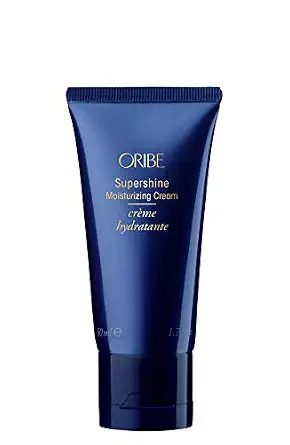
8. Oribe Supershine Moisturizing Cream
Best for: Medium to thick hair needing leave-in moisture and heat protection
Type: Leave-in cream
Why We Recommend It
This leave-in is specifically described as ideal for medium, thick and extra-long hair, with conditioning, heat protection, shine and frizz control. The current formula includes panthenol and multiple conditioning/smoothing ingredients. citeturn0search7
Pros
- Designed for medium-to-thick hair
- Adds conditioning plus heat protection
- Useful for frizz and shine
Cons
- Premium price
- Silicone-rich formula may not suit every routine
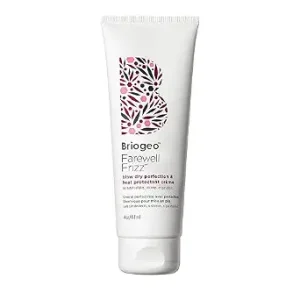
9. Briogeo Farewell Frizz Blow Dry Perfection & Heat Protectant Crème
Best for: Dry, thick, frizzy hair that is heat-styled
Type: Heat protectant
Why We Recommend It
Briogeo currently describes this as a heat-protectant styling cream for dry and frizz-prone hair, with rosehip, argan and coconut oils, and protection up to 450°F. citeturn2search0turn2search3
Pros
- Heat protection up to 450°F according to brand testing
- Designed for dryness and frizz
- Silicone-free formula
Cons
- Not a substitute for a conditioner or mask
- Best suited to people who actually use heat tools
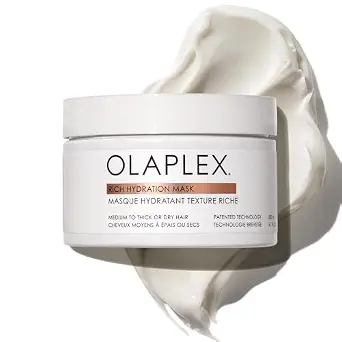
Hair Treatment Masque
Best for: Thick hair needing richer conditioning
Type: Hair mask
Why We Recommend It
OUAI’s current product range includes a dedicated Thick Hair Treatment Masque, making it a useful option for readers whose main concern is keeping dense or thick hair soft without relying on a daily heavy routine. Current Amazon-affiliated listings show the product as an active OUAI hair-care item. citeturn0search2turn0search5
Pros
- Specifically labeled for thick hair
- Useful as a richer treatment step
- Easy fit for a weekly routine
Cons
- Premium price
- A mask is not needed every wash
Ingredients That Actually Help
| Ingredient Type | Examples | What It Does |
| Humectants | Glycerin, hyaluronic acid, panthenol | Help support moisture retention in the hair-care routine |
| Emollients | Argan oil, jojoba oil, avocado oil | Soften and smooth the strand surface |
| Rich conditioning agents | Shea butter, babassu butter, fatty alcohols | Add richness and slip for coarse or very dry hair |
| Barrier support | Ceramides | Can support the hair’s conditioning and surface feel |
| Strengthening | Keratin, amino acids, peptides | Useful for damaged strands; not a substitute for moisture |
A longer ingredient list doesn’t automatically mean a better result — matching the ingredient type to your hair’s actual texture and condition matters more.
How to Hydrate Thick Hair Without Weighing It Down
This is genuinely the biggest challenge with thick hair care, and it’s worth addressing directly. Rich isn’t the same thing as heavy — a well-formulated conditioner can deliver serious moisture without leaving hair greasy or flat, while a poorly matched heavy product can do the opposite even on genuinely coarse hair.
A few practical guidelines: apply richer masks and creams mainly from mid-length to ends, keeping the scalp area lighter. If your hair is thick but made up of fine individual strands, choose lightweight hydrating formulas over anything marketed as “intense” or “ultra-rich.” And if a product ever leaves your hair feeling coated rather than soft, that’s usually a sign it’s simply too heavy for your specific strand type — not that you need even more product.
Dry vs. Damaged Hair: What Does Yours Actually Need?
Dryness and damage aren’t the same problem, even though thick hair often has both at once. Dryness is primarily about moisture — hair feels rough or dull but isn’t necessarily weakened. Damage involves the hair’s actual structure, usually from heat, bleach, or chemical processing, and shows up as breakage, split ends, or hair that stretches excessively when wet.
If your hair is dry but structurally healthy, prioritize hydration and conditioning. If it’s dry and breaking, a bond-repair or strengthening treatment alongside your regular conditioning routine will do more than piling on additional moisturizer. This is where a targeted dry coarse hair treatment can make more sense than simply buying a heavier conditioner.
According to the American Academy of Dermatology, reducing heat styling and chemical processing is one of the most reliable ways to prevent this kind of cumulative damage in the first place.
Could Buildup Be the Real Problem?
If your thick hair feels dry but also somehow heavy, coated, or dull no matter how much you condition, buildup from styling products, oils, or hard water could be the actual issue rather than a lack of moisture. Signs include hair that takes longer to get wet in the shower, feels waxy to the touch, or simply doesn’t respond to conditioner the way it used to.
If this sounds familiar, an occasional clarifying shampoo — not for every wash, just as needed — followed by a good conditioner often solves more than switching to yet another rich, moisturizing formula.
Choosing by Texture
Thick and straight
Product needs vary widely based on scalp oil and strand thickness; avoid assuming “thick” automatically means “needs the richest formula.”
Thick and wavy
Balance conditioning with lightweight styling products so waves don’t get weighed into straighter shapes.
Thick and curly
Prioritize moisture retention and slip — curls can lose moisture quickly and benefit from richer leave-ins.
Thick and coily
Often benefits from richer conditioning and strong detangling support because tightly coiled strands can be more prone to dryness.
Thick and color-treated
Combine gentle, color-conscious cleansing with conditioning-forward or bond-repair products, since this combination can be prone to both dryness and structural damage.
A Simple Routine for Dry, Thick Hair
- Cleanse with a hydrating shampoo most washes; save clarifying shampoo for when buildup is suspected.
- Condition every wash, choosing rich or lightweight based on whether your strands are coarse or fine.
- Deep condition weekly if hair is still dry after regular conditioning, following the product’s recommended time.
- Add a leave-in after washing, especially if hair tangles or feels rough by the end of the day.
- Seal ends with a small amount of oil if they still feel dry — a little usually goes further than a large amount.
- Use heat protectant every time you apply heat, even with a “moisturizing” styling product.
What to Avoid
- Assuming thick hair always needs the richest, heaviest product available.
- Layering too many rich products at once, which can create its own buildup issue.
- Skipping conditioner to save time, especially after a clarifying wash.
- Overusing protein or strengthening treatments when the actual issue is dryness rather than damage.
- Ignoring the difference between thick and coarse, which can lead to buying the wrong formula weight entirely.
Frequently Asked Questions
What are the best products for dry, thick hair?
A hydrating shampoo and conditioner matched to your strand thickness, plus a weekly deep-conditioning mask, address many cases of ordinary dryness. If your hair is also damaged, add a bond-repair treatment alongside your conditioning routine.
What are the best products for dry coarse hair?
Coarse hair often benefits from richer conditioners, masks, leave-ins and oils, but the best combination depends on whether the hair is actually coarse or simply dense. Start with one richer conditioning step and add products gradually.
Is thick hair the same as coarse hair?
No. Thick describes how much hair you have overall (density), while coarse describes the diameter of each individual strand. You can have thick, fine-stranded hair or genuinely coarse hair that isn’t particularly dense.
How do I hydrate thick hair without weighing it down?
Apply richer products mainly from mid-length to ends rather than the roots, and choose lightweight formulas if your thick hair is made up of finer strands rather than genuinely coarse ones.
Why is my thick hair always dry?
Thick hair can stay dry because scalp oils have more hair to cover and may not travel as easily down every strand. Heat styling, chemical processing and environmental exposure can add to the problem.
What ingredients are best for dry, thick hair?
Humectants like glycerin and panthenol can support moisture; emollients such as argan and jojoba oil can smooth the surface; and richer ingredients like shea or babassu butter can add conditioning for coarse or very dry strands.
Is oil good for dry, thick hair?
Yes, mainly for smoothing, conditioning and reducing the rough feel of dry ends. Oils work best as one part of a routine rather than as a stand-alone replacement for conditioner or a mask.
How often should I deep-condition dry, thick hair?
Once a week is a reasonable starting point for many thick-haired people. Fine-stranded thick hair may need it less often, while very coarse or extremely dry hair may benefit from a richer treatment more regularly if the product directions allow it.
Can product buildup make thick hair feel dry?
Yes. Buildup from styling products, oils or hard water can leave hair feeling coated and dull in a way that looks like dryness but responds better to an occasional clarifying wash than to more conditioner.
How do I detangle dry, thick hair?
A moisturizing conditioner applied generously, followed by a detangling leave-in and a wide-tooth comb starting from the ends, generally works better than trying to detangle completely dry hair.
Is thick hair harder to keep moisturized than other hair types?
It can be, especially when density is combined with coarse or tightly curled strands. Consistent conditioning and a routine matched to strand thickness usually work better than simply using more product.
Final Verdict
Best Overall Starting Point: Kérastase Nutritive Bain Satin Riche
Best for Dry/Damaged Hair: Briogeo Don’t Despair, Repair! Super Moisture Shampoo
Best Budget Deep Conditioner: Aussie 3 Minute Miracle Moist
Best for Thick Curly/Coily Hair: Mielle Pomegranate & Honey Detangling Conditioner
Best Weekly Moisture Mask: Moroccanoil Intense Hydrating Mask
Best for Damaged/Processed Hair: K18 Leave-In Molecular Repair Hair Mask
Best Hair Oil: Moroccanoil Treatment Original
Best Leave-In for Thick Hair + Heat/Frizz: Oribe Supershine Moisturizing Cream
Best Heat Protectant: Briogeo Farewell Frizz Blow Dry Perfection & Heat Protectant Crème
Best Thick-Hair Treatment Masque: OUAI Thick Hair Treatment Masque
The best products for dry thick hair aren’t necessarily the richest ones on the shelf — they’re the ones matched to whether your hair is genuinely coarse, made up of finer strands, damaged, curly/coily, or simply dealing with buildup. Start by identifying which of those actually describes your hair, then choose your shampoo, conditioner, and treatments accordingly rather than assuming more product automatically means better results.
For more on building out a complete hair-care routine, our guides to product for dry stiff hair and treatments for dry hair cover related picks that pair naturally with the options above.
Internal Links — Keep These Existing Links
The source article contains existing internal links in the final paragraph. They must remain in the published version. The exact destination URLs were not included in the pasted text available for this revision, so they were not replaced with guessed URLs. Keep the existing clickable anchors “product for dry stiff hair” and “treatments for dry hair” when updating the live article.
Disclaimer: The products mentioned are recommendations based on research and current product information rather than in-person testing. Individual results may vary based on hair thickness, texture, porosity, and condition. This article is not a substitute for professional dermatological advice.