organized by cause and hair concern.
This post may contain affiliate links. If you purchase through a link on this page, we may earn a small commission at no extra cost to you.
If you’re looking for the best shampoo and conditioner for hair loss, the honest first step isn’t picking a product — it’s figuring out what’s actually happening to your hair. “Hair loss” gets used as a catch-all term for several very different problems: hair shedding from the root, breakage along the shaft, gradual thinning, and scalp conditions like dandruff can all look similar on the surface but call for different solutions. A shampoo built for one of these issues won’t necessarily help with another.
This guide walks through how to tell these problems apart, what a shampoo and conditioner can realistically do about each one, and which formulas are worth considering based on your specific concern. Recommendations here are based on published ingredient and formula information, current manufacturer product details, and patterns across verified customer feedback rather than in-person testing, so treat performance notes as a starting point rather than a guarantee — and where your hair loss is significant, sudden, or persistent, a dermatologist visit will always tell you more than any shampoo label.
Table of Contents
- Quick Answer
- Hair Loss vs. Shedding vs. Breakage vs. Thinning
- Can Shampoo and Conditioner Actually Stop Hair Loss?
- Comparison Table
- Best Shampoo and Conditioner for Hair Loss by Concern
- Ingredients to Look For (and What the Evidence Actually Shows)
- Shampoo vs. Conditioner vs. Serum vs. Medical Treatment
- How to Use Shampoo and Conditioner for Thinning Hair
- Best Shampoo and Conditioner for Hair Loss in Women
- Do You Need a Sulfate-Free Formula?
- When Shampoo and Conditioner Aren’t Enough
- Frequently Asked Questions
- Final Verdict
Quick Answer
The best shampoo and conditioner for hair loss depends on what’s actually causing it. If your hair is snapping and breaking, look for a strengthening shampoo paired with a conditioner that improves detangling and reduces friction. If you’re dealing with a flaky or irritated scalp, a medicated or scalp-focused shampoo matters more than any “growth” claim. If your hair genuinely feels thinner and finer, a lightweight volumizing formula can help it look fuller, though it’s worth understanding upfront that no cosmetic shampoo has been shown to regrow hair the way medical treatments can.
If you searched for “the best shampoo and conditioner for hair loss,” the most useful answer is therefore not one universal bottle. The right choice depends on whether you are seeing true shedding from the root, breakage, reduced density, or a scalp problem. The 10 picks below are organized around those different situations so you can match the routine to the concern rather than simply choosing the product with the strongest hair-growth marketing.
Hair Loss vs. Shedding vs. Breakage vs. Thinning
This distinction matters more than any single product choice, and it’s the part most shampoo roundups skip entirely.
Hair shedding is hair falling out from the root, often as full strands with a small white bulb at the end. Everyone sheds some hair daily — the American Academy of Dermatology notes that hair loss can stem from a range of causes including hormonal changes, stress, medications, and underlying health conditions, and identifying the actual cause is the key step before choosing a treatment approach.
Hair breakage is different — it’s the hair shaft snapping partway along its length, usually from heat styling, chemical processing, or mechanical stress like brushing and tight hairstyles. Broken hair can make your overall hair look thinner and shorter without any actual loss from the follicle.
Hair thinning refers to reduced density or finer individual strands, which can result from genetics (androgenetic or pattern hair loss), age, or a combination of shedding and breakage happening at once.
Scalp conditions like dandruff or seborrheic dermatitis can also contribute to a hair-loss-adjacent appearance through inflammation and flaking, even when the hair itself isn’t inherently weak.
Knowing which of these you’re actually dealing with changes everything about which shampoo and conditioner combination makes sense — a strengthening system built for breakage won’t do much for a scalp condition, and a medicated dandruff shampoo won’t address dry, snapping ends.
Can Shampoo and Conditioner Actually Stop Hair Loss?
Not entirely, and it’s worth being upfront about that. A shampoo is a rinse-off product with limited contact time on the scalp, and while certain scalp-focused formulas can support a healthier environment for existing hair, they don’t have the same evidence base as medical treatments developed specifically for hair-loss conditions.
What shampoo and conditioner genuinely can do:
- Reduce breakage, which helps hair retain length and appear fuller over time, even without any change in actual follicle activity.
- Support scalp health, by managing oil, buildup, or scalp conditions like dandruff that can make hair and scalp look and feel worse.
- Improve the appearance of volume and thickness, through lightweight formulas and volumizing ingredients that add body to existing strands.
- Make hair more manageable, reducing the physical stress of brushing and styling that can lead to further breakage.
What shampoo and conditioner generally cannot do on their own is reverse pattern hair loss or treat significant, ongoing shedding caused by an underlying medical condition — those situations call for a proper diagnosis and, often, treatments like topical minoxidil or other options a dermatologist can discuss with you.
Comparison Table
| Real product/system | Best for | Shampoo focus | Conditioner focus | Key ingredients |
| Nioxin System Kit 2 | Natural, untreated hair with progressed thinning | Scalp cleansing, fullness and breakage support | System 2 Conditioner | Niacinamide, biotin, caffeine, salicylic acid, peppermint/wild mint oils |
| Briogeo Destined for Density Shampoo + Conditioner Duo | Fine, thinning or low-density hair | Density appearance, lightweight hydration and scalp care | Destined for Density Caffeine + Biotin Peptide Density Conditioner | Copper peptides, zinc, biotin, vitamin E, caffeine, green coffee oil, CoQ10 |
| BondiBoost HG Anti-Thinning Shampoo & Conditioner Duo | Shedding and breakage concerns | Scalp-focused routine and breakage reduction | HG Anti-Thinning Conditioner | Rosemary extract, saw palmetto, Redensyl, Procapil, aloe vera, peppermint |
| PURA D’OR Gold Label Anti-Thinning Shampoo & Conditioner Set | Breakage-prone, thinning-looking hair | Breakage reduction, conditioning and fuller-looking hair | Deep Moisturizing Conditioner | Biotin, nettle, pumpkin seed, black cumin seed oil, aloe, argan oil |
| Kérastase Genesis Bain Hydra-Fortifiant + Fondant Renforçateur | Weak, breakage-prone hair from brushing or styling | Fortifying weakened hair and reducing breakage | Genesis Fondant Renforçateur | Ginger root, edelweiss, conditioning agents and strengthening/fortifying technology |
| SheaMoisture Jamaican Black Castor Oil Strengthen & Restore | Curly/coily, chemically treated or heat-styled hair with breakage | Moisture, detangling and breakage support | Jamaican Black Castor Oil Strengthen & Restore Conditioner | Jamaican black castor oil, shea butter, glycerin, panthenol, hydrolyzed proteins, keratin |
| Dove Scalp + Hair Therapy Density Boost | Fine hair with a scalp-care and fullness focus | Scalp care, hydration and visibly fuller-looking hair | Scalp + Hair Therapy Hydrating Conditioner or Strengthening Conditioner | Vitamin B3, vitamin E, zinc, peptides |
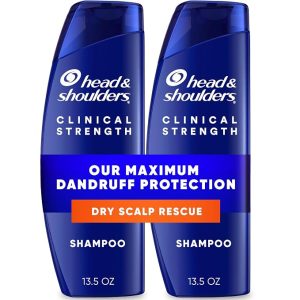
| Head & Shoulders Clinical Strength Dry Scalp Rescue 2-in-1 | Dandruff, persistent flakes and scalp irritation | Dandruff and dry-scalp management | Built-in conditioning step | 1% selenium sulfide, dimethicone, cleansing and conditioning agents |
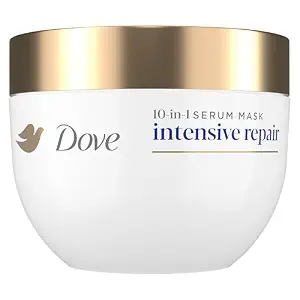
| Dove Hair Therapy Rescue & Protect | Damaged hair and breakage | Damage repair, strengthening and detangling | Hair Therapy Rescue & Protect 1 Minute Serum + Conditioner | Ceramide, peptide and conditioning actives |
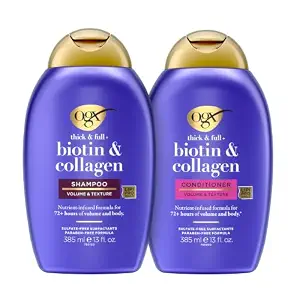
| OGX Thick & Full + Biotin & Collagen Shampoo & Conditioner Set | Fine or flat hair that needs visible volume | Volume, body and fuller-looking strands | Biotin & Collagen Conditioner | Biotin, collagen and conditioning ingredients |
Price key: $ = budget-friendly, $$ = mid-range, $$$ = premium. Amazon prices can change frequently, so the linked Amazon search is intended to show the current listing rather than a fixed price.
Best Shampoo and Conditioner for Hair Loss by Concern
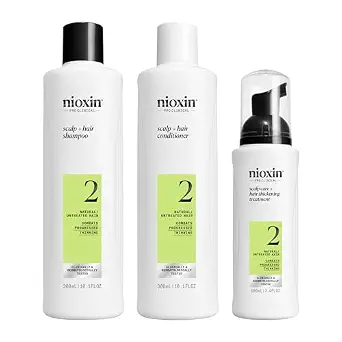
1. Nioxin System Kit 2 — Best for Natural, untreated hair with progressed thinning
Why we picked it: A dedicated three-step system for natural, untreated hair with progressed thinning. It is a better match for a user specifically concerned about visible thinning than a generic volumizing shampoo.
Shampoo does: The shampoo cleanses the scalp and the conditioner provides lightweight moisture and resilience; the full kit also includes a leave-on treatment.
Conditioner does: System 2 Conditioner.
Best for: Natural, untreated hair with progressed thinning.
Skip if: Not the most suitable choice for very dry or heavily color-treated hair; the brand’s current system guidance separates those needs into other kits.
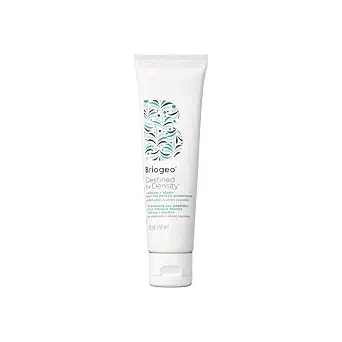
2. Briogeo Destined for Density Shampoo + Conditioner Duo — Best for Fine, thinning or low-density hair
Why we picked it: This is a useful option when the search intent is “best shampoo and conditioner for thinning hair” and you want a lightweight duo rather than a heavy strengthening system.
Shampoo does: The shampoo gently cleanses while the conditioner provides lightweight hydration and supports fuller-looking hair.
Conditioner does: Destined for Density Caffeine + Biotin Peptide Density Conditioner.
Best for: Fine, thinning or low-density hair
Skip if: It is a cosmetic density-focused system, not a replacement for medical treatment of pattern hair loss.
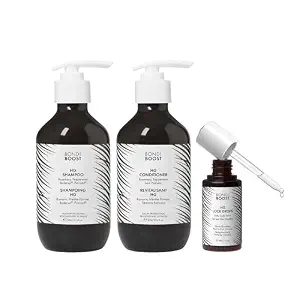
3. BondiBoost HG Anti-Thinning Shampoo & Conditioner Duo — Best for Shedding and breakage concerns
Why we picked it: BondiBoost positions this as a scalp-first anti-thinning wash-day duo. It is particularly relevant to readers searching for a shampoo and conditioner for shedding or fallout.
Shampoo does: The shampoo cleanses the scalp; the conditioner is applied from mid-shaft to ends to soften and reduce mechanical stress.
Conditioner does: HG Anti-Thinning Conditioner.
Best for: Shedding and breakage concerns.
Skip if: The brand’s 93% less-shedding claim comes from a small one-month consumer perception study, so it should not be presented as proof of treating medical hair loss.
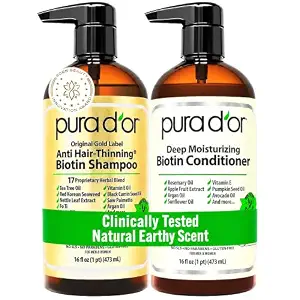
4. PURA D’OR Gold Label Anti-Thinning Shampoo & Conditioner Set — Best for Breakage-prone, thinning-looking hair
Why we picked it: A practical two-step option for readers who want a dedicated anti-thinning shampoo and conditioner set while also needing moisture and detangling.
Shampoo does: The shampoo cleanses and the conditioner adds moisture, softness and manageability.
Conditioner does: Deep Moisturizing Conditioner.
Best for: Breakage-prone, thinning-looking hair.
Skip if: The brand’s thinning claims are mainly about appearance and breakage; it should not be framed as a proven regrowth treatment.
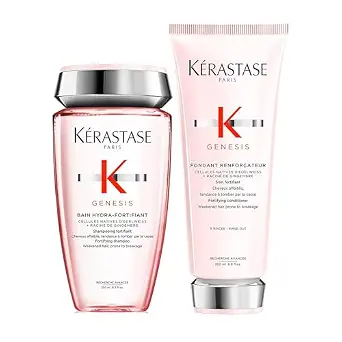
5. Kérastase Genesis Bain Hydra-Fortifiant + Fondant Renforçateur — Best for Weak, breakage-prone hair from brushing or styling
Why we picked it: Genesis is a strong fit when “hair loss” actually means hair falling during brushing because the shaft is weak or breaking. The brand specifically frames the range around breakage-related hair fall.
Shampoo does: The shampoo cleanses while the conditioner detangles, nourishes and helps strengthen weakened hair.
Conditioner does: Genesis Fondant Renforçateur.
Best for: Weak, breakage-prone hair from brushing or styling.
Skip if: The brand’s headline 97% less hair fall figure is for hair fall due to breakage within the full Genesis system, not proof that the products treat every type of hair loss.
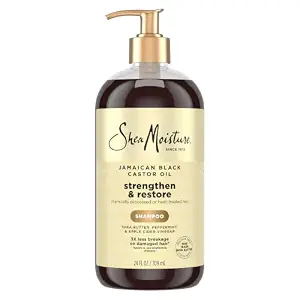
6. SheaMoisture Jamaican Black Castor Oil Strengthen & Restore — Best for Curly/coily, chemically treated or heat-styled hair with breakage
Why we picked it: This pairing makes sense for textured hair where dryness, tangling and breakage can create the appearance of thinning or increased shedding.
Shampoo does: The shampoo cleanses while adding moisture; the conditioner detangles and restores softness and resilience.
Conditioner does: Jamaican Black Castor Oil Strengthen & Restore Conditioner.
Best for: Curly/coily, chemically treated or heat-styled hair with breakage.
Skip if: The richer texture may feel heavy on fine hair; it is aimed more at breakage and dryness than follicle-level hair loss.
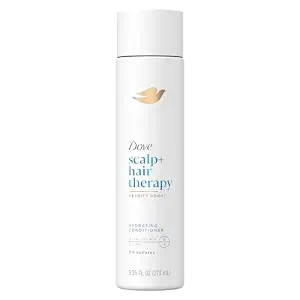
7. Dove Scalp + Hair Therapy Density Boost — Best for Fine hair with a scalp-care and fullness focus
Why we picked it: This range is useful when the reader’s goal is thicker-looking hair but the scalp and hair texture also need to be considered. Dove offers different shampoo/conditioner combinations for oily-fine versus dry-coarser textures.
Shampoo does: The range combines scalp preparation with cleansing, conditioning and a targeted scalp serum step.
Conditioner does: Scalp + Hair Therapy Hydrating Conditioner or Strengthening Conditioner.
Best for: Fine hair with a scalp-care and fullness focus.
Skip if: It is a broader regimen rather than a single anti-hair-loss shampoo; users with persistent loss still need diagnosis.
8. Head & Shoulders Clinical Strength Dry Scalp Rescue 2-in-1 — Best for Dandruff, persistent flakes and scalp irritation
Why we picked it: If the “hair loss” search is actually being driven by a flaky, itchy scalp, treating the scalp condition is more relevant than buying a cosmetic growth shampoo.
Shampoo does: This 2-in-1 cleanses and conditions while delivering 1% selenium sulfide for stubborn dandruff.
Conditioner does: Built-in conditioning step.
Best for: Dandruff, persistent flakes and scalp irritation.
Skip if: Not a general hair-growth product; persistent, painful or inflamed scalp symptoms warrant professional evaluation.
9. Dove Hair Therapy Rescue & Protect — Best for Damaged hair and breakage
Why we picked it: For users whose “hair loss” is actually extensive breakage, this type of repair-focused system can be more relevant than a product marketed purely around growth.
Shampoo does: The shampoo cleanses while the matching conditioner/serum step focuses on strengthening and easier detangling.
Conditioner does: Hair Therapy Rescue & Protect 1 Minute Serum + Conditioner.
Best for: Damaged hair and breakage.
Skip if: Not designed to diagnose or treat follicle-level hair loss; claims about stronger hair are cosmetic/anti-breakage claims.
10. OGX Thick & Full + Biotin & Collagen Shampoo & Conditioner Set — Best for Fine or flat hair that needs visible volume
Why we picked it: This is a straightforward option for the reader who is mainly looking for hair to appear fuller and less flat rather than treating a diagnosed hair-loss condition.
Shampoo does: The shampoo and conditioner are designed to add body and volume without a heavy feel on fine hair.
Conditioner does: Biotin & Collagen Conditioner.
Best for: Fine or flat hair that needs visible volume.
Skip if: Volume is not the same as regrowth; not the right first choice for sudden shedding, bald patches or scalp disease.
Ingredients to Look For (and What the Evidence Actually Shows)
Biotin: supports the structural protein in hair, and it’s most likely to make a visible difference if you have an actual deficiency — for most people with adequate biotin levels, additional biotin in a shampoo isn’t a proven regrowth solution on its own.
Caffeine: is a popular ingredient in scalp-focused formulas, with research interest around its effect on hair follicles, though it’s not equivalent to an established medical treatment.
Rosemary: has generated interest for scalp and hair-growth support, but the available evidence is still limited compared with established medical options.
Peptides: generally support conditioning and strengthening rather than triggering new growth — their main benefit in cosmetic hair care is helping reduce breakage and improve the hair’s resilience.
Ketoconazole / selenium sulfide: are scalp-treatment ingredients used for dandruff and seborrheic dermatitis. They are relevant when flaking and inflammation are part of the problem, not as universal hair-growth ingredients.
Niacinamide: is commonly used in scalp and hair formulas for conditioning and barrier-support benefits.
Keratin and amino acids: support the hair shaft’s structure, helping with strength and reduced breakage rather than directly changing follicular activity.
The most important thing to understand is the difference between ingredient-level research and finished-product evidence — an ingredient showing promise in a small study doesn’t automatically mean the specific shampoo containing it will produce the same results.
Shampoo vs. Conditioner vs. Serum vs. Medical Treatment
Shampoo is a rinse-off product focused primarily on the scalp — cleansing, removing buildup, and in medicated formulas, addressing scalp conditions.
Conditioner focuses on the hair shaft rather than the scalp, improving detangling, reducing friction, and helping protect fragile lengths from mechanical breakage. This is often more relevant to “hair loss” concerns than people realize, since a lot of visible thinning is actually breakage that a good conditioner can help manage.
Leave-in serums and scalp treatments stay on the scalp longer than a rinse-off shampoo, which can allow certain active ingredients more contact time, though this still isn’t the same category as medical treatment.
Medical treatments like topical minoxidil are backed by clinical evidence specifically for certain hair-loss conditions and work differently than cosmetic hair care — they’re a separate category, not simply a stronger version of a hair-growth shampoo.
How to Use Shampoo and Conditioner for Thinning Hair
- Focus shampoo on the scalp, since that’s where cleansing actually matters, rather than scrubbing the full length of the hair.
- Apply conditioner from mid-length to ends, generally avoiding the scalp itself, since conditioner at the roots can contribute to buildup and doesn’t offer the scalp the same conditioning benefit.
- Be gentle when the hair is wet, since wet hair is more vulnerable to breakage during washing and detangling.
- Use a wide-tooth comb starting from the ends, working upward, rather than pulling a brush through from root to tip.
- Give any new formula several weeks before judging it — cosmetic hair-care changes are typically gradual, and expecting dramatic results within days usually leads to disappointment regardless of which product you choose.
Best Shampoo and Conditioner for Hair Loss in Women
Hair thinning in women can stem from several different causes, and it’s worth understanding which one applies to you before choosing a routine.
Postpartum shedding is a temporary increase in hair fall that commonly occurs after childbirth and generally improves as hormone levels stabilize — a gentle, nourishing shampoo and conditioner can support hair through this period, but it isn’t something a product needs to “fix.”
Hormonal changes related to menopause or thyroid function can also affect hair density, and these situations often benefit more from a medical evaluation than a specific shampoo choice.
Female pattern hair loss tends to show up as diffuse thinning, often more noticeable at the crown or part line, and is a genetic and hormonal condition that cosmetic products can support but not resolve on their own.
In all of these cases, a gentle, scalp-supportive routine makes sense as a baseline, but persistent or worsening thinning is worth bringing to a dermatologist rather than working through product after product.
Do You Need a Sulfate-Free Formula?
Not necessarily. Sulfates are effective cleansing agents, and for many hair and scalp types, they work perfectly well without causing problems. The idea that sulfate-free is automatically healthier isn’t well-supported for most people — what matters more is whether your specific formula suits your hair texture, scalp condition, coloring status, and personal tolerance.
If you have color-treated hair, a very dry scalp, or you’ve noticed genuine irritation from sulfate-containing formulas, a sulfate-free option may be worth trying. But choosing sulfate-free purely because it’s trending, without a specific reason, isn’t necessary for effective hair or scalp care.
When Shampoo and Conditioner Aren’t Enough
This is the section most product-focused guides skip, and it matters. See a dermatologist if you notice any of the following:
- Sudden or rapid hair loss that seems disproportionate to your normal shedding pattern.
- Visible bald patches rather than diffuse thinning.
- Scalp pain, burning, or significant inflammation alongside hair loss.
- Persistent shedding that continues for months without improvement.
- Hair loss accompanied by other symptoms like fatigue, weight changes, or skin changes, which could point to an underlying condition.
A dermatologist can identify the actual cause — whether that’s a genetic pattern, a hormonal issue, a nutritional deficiency, or a scalp condition — and recommend treatment options with a stronger evidence base than any over-the-counter shampoo.
Frequently Asked Questions
What is the best shampoo and conditioner for hair loss?
The best choice depends on the underlying cause — a strengthening system works best for breakage, a medicated formula for scalp conditions, and a lightweight volumizing or density-focused duo for fine, thinning-looking hair.
Can shampoo and conditioner actually stop hair loss?
They can support scalp health and reduce breakage, which helps hair look fuller, but they generally don’t reverse pattern hair loss or treat significant shedding caused by an underlying medical condition.
What is the best shampoo for thinning hair?
A lightweight, volumizing or density-focused formula can work well for fine or thinning-looking hair because it adds body without weighing strands down. If thinning is progressive or sudden, the cause matters more than the shampoo label.
Can conditioner help with hair loss?
Conditioner can meaningfully reduce breakage by improving detangling and reducing friction, which is especially helpful if breakage — rather than actual shedding — is contributing to the thinner appearance.
What ingredients should I look for in a hair-loss shampoo?
Biotin, caffeine, peptides, niacinamide, conditioning proteins and scalp-focused ingredients are common. Medicated actives such as selenium sulfide are specifically relevant for dandruff and certain scalp conditions rather than general thinning.
Is sulfate-free shampoo better for hair loss?
Not necessarily — sulfate-free formulas can be gentler for certain scalp types or color-treated hair, but sulfates themselves aren’t inherently harmful for most people.
How often should I wash thinning hair?
Washing frequency depends on your hair type, scalp oiliness, dandruff status, and styling routine rather than a universal rule. There’s no single frequency proven to prevent hair loss.
What is the best shampoo and conditioner for postpartum hair loss?
A gentle, nourishing formula tends to make the most sense for postpartum shedding because the shedding is often temporary. A product cannot replace medical evaluation if the shedding is severe, prolonged or accompanied by other symptoms.
When should I see a dermatologist about hair loss?
See a dermatologist if you notice sudden or rapid shedding, visible bald patches, scalp pain or inflammation, or persistent hair loss that doesn’t improve over several months.
Does biotin shampoo really work for hair loss?
Biotin is important to normal hair biology, but for people who are not deficient, adding biotin to a rinse-off shampoo is not a proven way to regrow hair. In cosmetic formulas, its role is better understood as part of a broader conditioning and strengthening formula.
Final Verdict
Best for Progressed Thinning (Natural, Untreated Hair): Nioxin System Kit 2
Best Density-Focused Duo: Briogeo Destined for Density
Best for Shedding + Breakage Concerns: BondiBoost HG Anti-Thinning Duo
Best Complete Anti-Thinning Set: PURA D’OR Gold Label Shampoo & Conditioner
Best for Breakage from Brushing/Styling: Kérastase Genesis
Best for Curly/Coily and Chemically Treated Hair: SheaMoisture Jamaican Black Castor Oil Strengthen & Restore
Best Scalp + Fullness Routine: Dove Scalp + Hair Therapy Density Boost
Best for Dandruff-Related Scalp Problems: Head & Shoulders Clinical Strength Dry Scalp Rescue 2-in-1
Best for Damage-Related Breakage: Dove Hair Therapy Rescue & Protect
Best Budget-Friendly Volume Pick: OGX Biotin & Collagen Shampoo & Conditioner
The best shampoo and conditioner for hair loss isn’t necessarily the one with the most aggressive marketing claims — it’s the one that actually matches what’s happening to your hair. Figure out whether you’re dealing with breakage, shedding, a scalp condition, or genuine thinning first, then choose a shampoo and conditioner combination built for that specific problem. And if your hair loss is significant, sudden, or ongoing despite a solid routine, a dermatologist visit will get you further than trying one more shampoo — the American Academy of Dermatology’s overview of hair loss types is a useful starting point for understanding what might be going on before your appointment.
For more on building out a complete hair-care routine, our guide to choosing a leave-in conditioner for fine, wavy hair covers another piece of the puzzle if fine or fragile hair is part of what you’re dealing with.
Internal-link preservation note: The source text supplied in this chat shows the existing internal-link anchor text but does not expose the destination URLs. Keep the existing WordPress internal URLs attached to those same anchor texts when replacing the article; no new or guessed internal URLs have been inserted.
Disclaimer
This article is for informational purposes only and is not a substitute for professional medical advice, diagnosis, or treatment. Product recommendations are based on published ingredient information, current manufacturer product information, and verified customer feedback rather than in-person testing or clinical evidence. If you are experiencing significant, sudden, or persistent hair loss, consult a board-certified dermatologist.