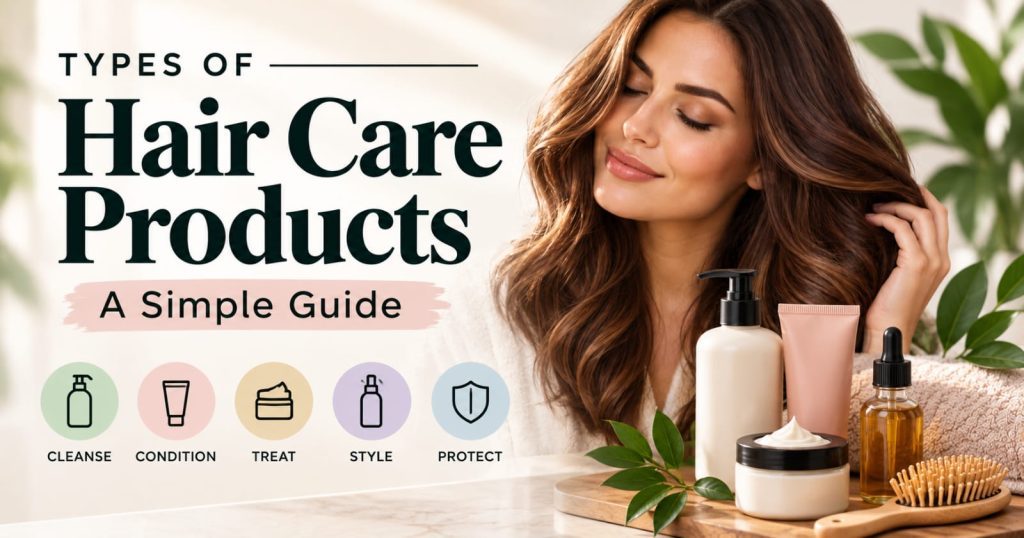
cleansing, conditioning, treatment, styling, and protection.
This post may contain affiliate links. If you purchase through a link on this page, we may earn a small commission at no extra cost to you.
Walk down any hair-care aisle and you’ll see dozens of types of hair care products — shampoos,
conditioners, masks, leave-ins, serums, oils, mousses, gels — often with very little explanation of what
actually separates one from another. Most people end up either buying way more than they need or skipping something that would genuinely help, simply because nobody explained what each category is actually for.
This guide is built to fix that. Instead of just naming products, we’ll go through what each type does, who
it’s actually useful for, when you can safely skip it, and
how to build a routine without overspending on things your hair doesn’t need. By the end, you should be able to look at any hair-care product and know exactly where it fits and whether it belongs in your routine.
Table of Contents
- Hair Care Products at a Glance
- Quick Product Finder: Match Your Goal to a Product Type
- Cleansing Products
- Conditioning Products
- Hair Treatments
- Styling Products
- Protection Products
- Scalp Care Products
- Choosing Products by Hair Type
Choosing Products by Hair Concern
11 . What Products Do You Actually Need?
12. What Order Should You Apply Hair Products?
13. Oil vs. Serum: What’s the Difference?
14. Conditioner vs. Mask vs. Leave-In
15. Moisture vs. Protein vs. Bond Repair
1 6. Common Hair Product Mistakes
1 7. Frequently Asked Questions 1 8. Final Recap
Types of Hair Care Products at a Glance
Category | MainPurpose | WhoNeeds It | ExampleTypes |
Cleansing | Removesoil, product, and buildup | Everyone | Shampoo, clarifying shampoo, dry shampoo, co-wash |
Conditioning | Softens, detangles, addsmoisture | Mostpeople | Conditioner, deepconditioner, mask,leave-in |
| Treatments | Repairs,strengthens, | As needed | Bond repair, protein |
Category | MainPurpose | WhoNeeds It | ExampleTypes |
| or targets aspecificissue | treatment,scalptreatment | ||
Styling | Shapes,holds, or textures the finishedlook | Dependson style | Mousse, gel, cream, pomade, wax |
Protection | Shields hair from heat, sun, or color fade | Situational | Heat protectant, UV spray, color-care products |
Scalp Care | Targets thescalpspecifically, not the strand | As needed | Scalp scrub, scalp oil, anti-dandruff treatment |
Quick Product Finder: Match Your Goal to a Product Type
The fastest way to cut through the confusion is to start with what you’re actually trying to fix, not with a list of products.
Your Goal | Product Type to Reach For |
| Clean your scalp | Shampoo |
| Remove product buildup | Clarifying shampoo |
| Remove mineral/hard-water buildup | Chelating shampoo |
| Refresh oily roots between washes | Dry shampoo |
| Everyday softness and detangling | Conditioner |
Deep hydration | Hair mask or deep conditioner |
| Ongoing moisture after washing | Leave-in conditioner |
| Repair damage from bleach or heat | Bond-repair treatment |
| Strengthen weak, breaking hair | Protein treatment |
Your Goal | Product Type to Reach For |
Reduce frizz | Serum, oil, or smoothing cream |
Define curls | Curl cream, gel, or mousse |
Add volume | Mousse or volumizing spray |
| Protect from heat styling | Heat protectant |
Hold a finished style | Gel, pomade, wax, or hairspray |
| Address a scalp issue | Scalp treatment |
Cleansing Products
10 Real Hair Care Products to Consider
These real products match different categories discussed above. Amazon prices and availability can change, so use the clickable Amazon link to check the current U.S. price
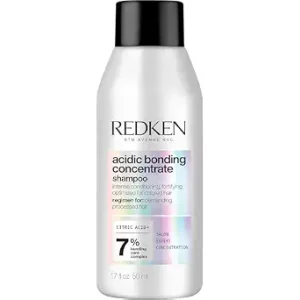
1. Redken Acidic Bonding Concentrate Shampoo
Best for: Damaged, chemically treated, or color-treated hair
A professional bond-focused shampoo designed for damaged hair.
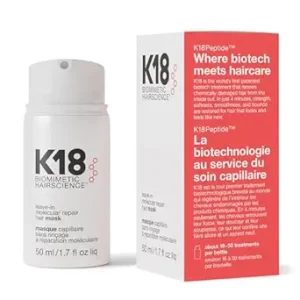
2. K18 Leave-In Molecular Repair Hair Mask
Best for: Bleached, colored, chemically treated, or heat-stressed hair
A leave-in molecular repair treatment designed for damaged hair.
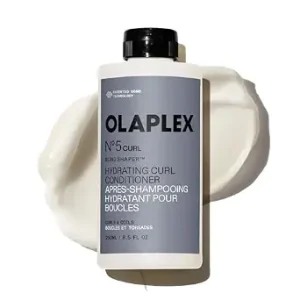
3. OLAPLEX No. 5 Bond Maintenance Conditioner
Best for: Dry, damaged, or color-treated hair
A professional-style rinse-out conditioner for softness and manageability.
4. Pureology Hydrate Shampoo
Best for: Dry and color-treated hair
A moisture-focused professional shampoo for dry, color-treated hair.
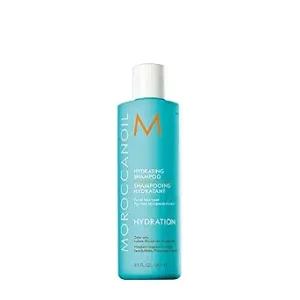
5. Moroccanoil Treatment Original
Best for: Dry ends, shine, smoothing, and finishing
An oil-based finishing treatment that adds shine, softness, and a smoother-looking finish.
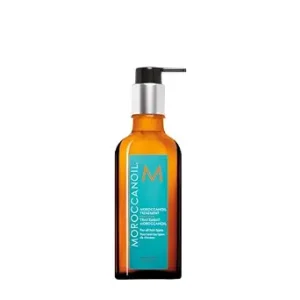
6. COLOR WOW Dream Coat Supernatural Spray
Best for: Frizz and humidity
A humidity-focused spray for hair that tends to puff or frizz in damp weather.
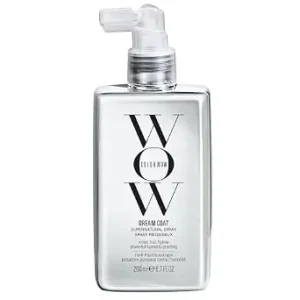
7. Kenra Platinum Blow-Dry Spray
Best for: Blow-drying and heat styling
A dedicated blow-dry product designed for heat styling and a smoother finish.
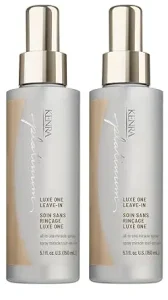
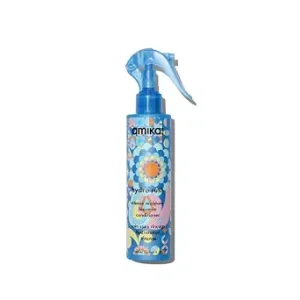
8. amika Hydro Rush Intense Moisture Leave-In Conditioner
Best for: Dry, tangled, or frizzy hair
A leave-in conditioning option for adding moisture and improving manageability after washing.
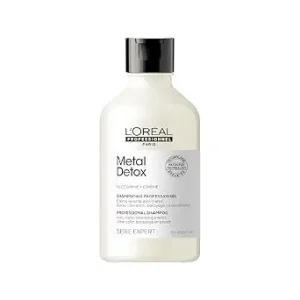
9. L’Oréal Professionnel Metal Detox Shampoo
Best for: Mineral or metal buildup concerns
A specialized professional shampoo for shoppers concerned about metal buildup.
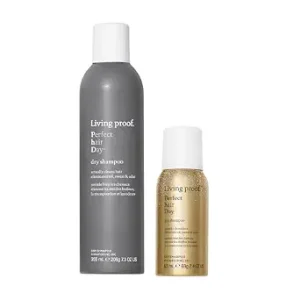
10. Living Proof Perfect Hair Day Dry Shampoo
Best for: Oily roots between washes
A dry shampoo for refreshing oily roots between regular washes; it does not replace normal cleansing.
| ShampooType | Best For | Main Purpose |
Moisturizing | Dry hair | Gentle everyday cleansing |
Clarifying | Buildup | Deeper occasional cleanse |
Chelating | Hard waterareas | Removes mineral deposits |
Volumizing | Fine, flat hair | Lightweight cleansing |
Color-safe | Color-treatedhair | Cleanses without fading color |
| Anti-dandruff | Flaking, itchy scalp | Targets scalp condition |
| ShampooType | Best For | Main Purpose |
Dryshampoo | Oily roots between washes | Absorbs oil, doesn’t replace washing |
Conditioning Products
Rinse-out conditioner is used after most washes for everyday softness and detangling. Deep conditioner and hair masks are more intensive — the exact
difference between the two isn’t perfectly standardized across brands, but both are generally
meant for periodic, more concentrated conditioning
rather than every-wash use. Leave-in conditioner stays in the hair after washing instead of being rinsed out, offering ongoing moisture and detangling throughout the day. A detangler does what it sounds
like — makes it easier to work through knots, especially useful for longer or curlier hair.
None of these are strictly mandatory beyond a basic conditioner. Whether you need a mask, a leave-in, or both really depends on how dry or damaged your hair currently is.
Hair Treatments
This is the category most generic guides
underexplain, and it’s genuinely useful to separate the following:
Bond-repair treatments target structural damage in the hair shaft — most relevant if your hair has been bleached, heavily colored, or chemically processed. Protein treatments add strength to weak or breaking hair, but they’re not interchangeable with moisture treatments; overusing protein on hair that just needs hydration can actually leave it feeling stiff. Hair oils
and serums smooth the surface, reduce frizz, and add shine, though they work differently (more on that
below). Scalp treatments address the scalp
specifically — dryness, buildup, or irritation — rather than the hair strand itself. Keratin or smoothing treatments are aimed at reducing frizz and easing styling, not primarily at adding hydration, which is a common misconception.
Styling Products
Styling products shape and hold the finished look rather than treat the hair itself. Mousse adds light-to-medium volume and is typically applied to damp hair before blow-drying. Gel offers stronger hold and definition, useful for curly or wavy styles but prone to flaking if overapplied. Curl cream provides moisture and gentle definition without heavy hold. Pomade and
wax both add texture and control, with pomade generally more pliable and wax offering firmer hold for shorter or textured styles. Clay is similar to wax but usually with a more matte finish. Hairspray locks in a finished style, and comes in light, medium, and
strong-hold varieties. Texturizing spray or sea salt spray adds grit and a lived-in texture, popular for beachy or undone looks.
| Product | Hold | Finish | Best For |
Mousse | Light–medium | Natural | Volume, fine/wavy hair |
Gel | Medium–strong | Defined, sometimes shiny | Curly/wavydefinition |
Curl cream | Light | Soft,natural | Moisture + gentle definition |
Pomade | Medium | Low–highshine | Sleek or defined styles |
Wax | Medium–strong | Matte toshiny | Texture, shorter styles |
| Product | Hold | Finish | Best For |
Hairspray | Varies | Sets thestyle | Finishing any style |
Texturizing/sea salt spray | Light | Matte,gritty | Beachy, undone texture |
Protection Products
Heat protectants reduce damage from blow dryers, flat irons, and curling tools — worth using every time you apply heat, regardless of hair type. UV protection shields hair from sun-related dryness and color
fading, mostly relevant if you spend a lot of time outdoors. Anti-humidity products help hair resist frizz in damp or humid weather. Color-protecting products help maintain color vibrancy and slow fading between salon visits. One important note: not every oil, serum, or “protective” product actually contains heat
protection — check for it explicitly stated rather than assuming.
Scalp Care Products
Scalp products are their own category, separate from anything meant for the hair strand. Scalp scrubs and exfoliants help remove buildup at the root. Scalp oils
and serums target dryness or irritation. Anti-dandruff treatments address flaking specifically. This
distinction matters more than people realize — someone can easily have an oily scalp and dry ends at the same time, which means treating the scalp and treating the lengths may call for two different approaches rather than one product doing both jobs.
Choosing Products by Hair Type
- Fine hair: Lightweight formulas throughout — heavy oils and rich creams can flatten fine strands quickly.
- Thick or coarse hair: Generally tolerates richer conditioning and styling products better than fine hair does.
- Curly hair: Prioritize moisture and slip — conditioner, leave-in, and curl cream tend to matter more here than for straight hair.
- Coily hair: Often needs the richest conditioning of all hair patterns, since coily strands tend to lose moisture fastest.
- Straight hair: Product needs vary widely based on thickness and scalp oil — there’s no single
“straight hair” rule.
- High-porosity hair (absorbs moisture fast but
loses it just as fast): Benefits from richer, sealing products.
- Low-porosity hair (resists absorbing product): Does better with lighter formulas applied to damp, warm hair.
Hair pattern alone doesn’t determine what you need — texture, porosity, and condition all matter too.
Choosing Products by Hair Concern
| Concern | What Helps |
| Dryness | Conditioner, mask, leave-in |
| Frizz | Serum, oil, smoothing cream |
Damage/breakage | Bond repair or protein treatment |
Oily scalp | Appropriate shampoo, occasional dry shampoo |
Buildup | Clarifying or chelating shampoo |
Dullness | Clarifying wash, gloss, or shine serum |
Thinning/fine hair | Lightweight volumizing products |
| Concern | What Helps |
Color fading | Color-safe shampoo and UV protection |
What Products Do You Actually
Need?
This is worth saying plainly: most people don’t need every category in this guide.
Usually essential: shampoo, conditioner.
Add if it addresses a real need: leave-in conditioner, hair mask, heat protectant, one styling product.
Only when specifically needed: clarifying or chelating shampoo, bond repair, protein treatment, scalp treatments.
Purely a styling preference: gel, mousse, pomade, wax, hairspray.
A basic, effective routine is often just two products — shampoo and conditioner — with anything else added because it solves a specific problem, not because it’s “supposed to” be part of every routine.
What Order Should You Apply Hair
Products?
- Shampoo
- Conditioner or hair mask
- Leave-in conditioner, if used
- Heat protectant, before any heat styling
- Styling product (mousse, gel, cream)
- Finishing product — serum or oil, if you’re using one
This is a general framework, not a rule — always follow the specific product’s directions if they say otherwise, since formulas vary.
Oil vs. Serum: What’s the Difference?
These get grouped together constantly, but they’re not the same thing. A hair oil is generally oil-dominant and works by conditioning, sealing, and adding shine, depending on the specific oil. A serum is a broader
label — it can be silicone-based, oil-based, or water-based, and is usually formulated for smoothing, frizz control, or a finished shine rather than deep
conditioning. In practice, the name on the bottle matters less than reading what the formula is actually designed to do.
Conditioner vs. Mask vs. Leave-In
| Product | When Used | Main Job |
Rinse-outconditioner | Mostwashes | Everyday softness and detangling |
Deepconditioner/mask | Periodically | Moreintensive conditioning |
Leave-inconditioner | Afterwashing, not rinsed | Ongoing moisture through the day |
You don’t necessarily need all three. Many people do fine with just a rinse-out conditioner and occasionally add a mask when hair feels particularly dry.
Moisture vs. Protein vs. Bond Repair
This distinction solves a lot of “nothing is working” frustration. Moisture-focused products (most conditioners, masks, and leave-ins) are the right call
when hair feels rough, dull, or lacks softness. Protein-focused treatments are more relevant when hair feels weak, overly stretchy when wet, or is breaking — a
sign of structural rather than surface-level dryness.
Bond-repair treatments are a more targeted category specifically for chemically processed or heavily
bleached hair. Many people actually need a mix of moisture and occasional protein rather than assuming their hair only has one type of problem. According to the American Academy of Dermatology, gentle
handling and reducing heat and chemical processing go a long way toward preventing the kind of damage that makes this distinction necessary in the first
place.
Common Hair Product Mistakes
- Using too much product at once, which weighs hair down regardless of formula
- Buying every category “just in case” instead of matching purchases to an actual need
- Skipping heat protectant because a styling product is already being used
- Overusing protein treatments when the real issue is dryness, not weakness
- Applying rich products to fine hair roots, which flattens rather than helps
- Assuming “serum” and “oil” are interchangeable
when the formulas can behave very differently
Frequently Asked Questions
(Add these to Rank Math’s FAQ block for rich-snippet eligibility — do not leave as plain text only. )
What are the different types of hair care products? Hair-care products generally fall into cleansing (shampoo), conditioning (conditioner, mask, leave-in), treatments (repair, protein, scalp), styling (gel, mousse, wax), and protection (heat, UV, color-care) categories.
What hair products do I actually need?
Most routines only require a shampoo and conditioner as the essentials. Everything else — masks, leave-ins, treatments, styling products — should be added only if it addresses a specific concern.
What is the difference between shampoo and conditioner?
Shampoo cleanses the scalp and hair of oil and
buildup, while conditioner softens and detangles hair after washing, generally without any real cleansing function.
What is the difference between a hair mask and a regular conditioner?
A regular conditioner is used most washes for
everyday softness, while a hair mask is a more
intensive treatment typically used periodically for extra conditioning.
What’s the difference between hair oil and hair serum?
Hair oil is oil-based and mainly conditions or seals moisture, while “serum” is a broader term for products
— often lighter or silicone-based — formulated for smoothing and shine rather than deep conditioning.
Do I need a leave-in conditioner?
Not necessarily. It’s most useful if your hair tends to be dry, tangles easily, or needs extra moisture throughout the day beyond what a rinse-out
conditioner provides.
What order should I apply hair products?
A general order is shampoo, then conditioner or mask, then leave-in, then heat protectant before styling tools, then styling products, then a finishing oil or serum if used.
How many hair products do I really need?
As few as two — shampoo and conditioner — for many people. Additional products are only worth adding when they solve a specific, identifiable problem.
Is protein or moisture better for dry hair?
It depends on the cause. Rough, dull hair usually needs moisture; weak, breaking, or overly stretchy hair often needs protein or a bond-repair treatment
instead.
What’s the difference between clarifying and chelating shampoo?
Clarifying shampoo removes general product buildup, while chelating shampoo is formulated specifically to remove mineral deposits from hard water, which
clarifying formulas don’t always fully address.
Final Recap
Hair-care aisles look overwhelming mainly because products get marketed by brand and buzzword rather than by function. Once you sort them into cleansing, conditioning, treatments, styling, and protection — and match each one to an actual goal rather than buying on impulse — the whole category gets a lot less confusing.
Start with the basics (shampoo and conditioner), add a category only when it solves a real problem you’re currently having, and skip anything that doesn’t. If your main concern right now is ongoing dryness, our guide to treatments for dry hair goes deeper into
which specific products are worth trying.
Disclaimer: This guide is intended as general educational information about hair-care product categories and is not a substitute for professional
dermatological or trichological advice, especially for persistent scalp conditions or hair loss.