This post may contain affiliate links. If you purchase through a link on this page, we may earn a small commission at no extra cost to you.
Most treatments for dry hair get sold as one-size-fits-all fixes, but dry hair isn’t actually one problem. Hair that feels rough from cold weather needs something different than hair that’s breaking after repeated bleaching, and using the wrong treatment for months is a common reason people feel like “nothing works” for their hair. Before recommending products, it’s worth figuring out what’s actually going on with your hair — dryness, damage, or both — since that changes which treatment is worth your money.
This guide walks through how to tell the difference, which treatment type matches which problem, and ten specific picks organized by use case rather than one generic “best overall.” We’ll also cover routines, common mistakes, and when a salon visit makes more sense than another product.
Table of Contents
- Quick Comparison: Best Treatments for Dry Hair
- Is Your Hair Dry, Damaged, or Both?
- Choose the Right Treatment for Your Problem
- How We Chose These Treatments
- 1 0 Best Treatments for Dry Hair
- Best Treatments by Hair Type
- How to Treat Extremely Dry Hair
- Ingredients Worth Looking For
- Can Hard Water Make Your Hair Dry?
- A Simple Weekly Routine for Dry Hair
- Mistakes That Make Dry Hair Worse
- At-Home vs. Salon Treatments
- Frequently Asked Questions
- Final Verdict
Quick Comparison: Best Treatments for Dry Hair
Final Verdict
| Treatment | Best For | Type | Key Ingredients | Price |
| Briogeo Don’t Despair, Repair! Deep Conditioning Hair Mask | Best Overall | Deep conditioning mask | Avocado oil, almond oil, rosehip oil | $$ |
| Mielle Babassu & Mint Damage Repair Bond Treatment | Bleached/Chemically Damaged Hair | Repair treatment | Babassu oil, amino acids | $$ |
| It’s a 10 Miracle Leave-In Lite With 10 Benefits | Fine, Dry Hair | Leave-in | Silk amino acids, conditioning agents | $$ |
| Moroccanoil Treatment Hair Oil | Dry Ends | Hair oil | Argan oil | $$ |
| Redken All Soft Heavy Cream Hair Mask | Thick/Coarse Dry Hair | Deep conditioning mask | Argan oil, conditioning agents | $$ |
| Mielle Kalahari Melon & Aloe Vera Deep Hydration 2-Minute Deep Conditioner | Curly/Coily Hair | Deep conditioner | Kalahari melon, aloe vera | $ |
| TRESemmé Rich Moisture Shampoo & Conditioner | Everyday Cleansing | Cleanse + condition | Hyaluronic acid, conditioning agents | $ |
| Malibu C Hard Water Wellness Remedy | Buildup/Hard Water | Chelating treatment | Chelating/mineral-removing agents | $$ |
| Redken Quick Blowout Heat Protectant Spray | Heat-Styled Hair | Protective treatment | Conditioning and heat-protective agents | $$ |
| Aussie 3 Minute Miracle Moist Deep Conditioner | Best Drugstore | Deep conditioner | Avocado oil, jojoba oil | $ |
Quick Comparison: Best Treatments for Dry Hair
Is Your Hair Dry, Damaged, or Both?
This distinction matters more than most articles admit. Dryness is mainly a moisture problem — hair feels rough, looks dull, and lacks softness, but the strand itself isn’t necessarily weakened. Damage is more structural — think breakage, split ends, and hair that snaps rather than stretches, usually from heat, bleach, or repeated chemical processing.
A quick way to sort it out:
| Sign | More Likely |
| Rough, dull, lacks shine | Dryness |
| Frizzy but not breaking | Dryness |
| Snaps or breaks easily | Damage |
| Recently bleached or heavily processed | Damage risk |
| Split ends | Existing structural damage |
| Feels stretchy or gummy when wet | Damage |
| Dry ends but healthy-feeling roots | Length needs more conditioning |
Plenty of people have both at once, especially with bleached or heavily heat-styled hair. That’s normal, and it just means your routine needs a hydration step and a repair step, not one or the other.
Choose the Right Treatment for Your Problem
| Your Main Problem | What Helps Most |
| General dryness | Deep conditioning mask |
| Dry, frizzy hair | Conditioning + smoothing treatment |
| Breakage or snapping | Bond-building/strengthening treatment |
| Bleached or heavily processed | Bond repair + regular conditioning |
| Fine hair that’s also dry | Lightweight mask or leave-in |
| Thick or coarse dry hair | Richer, heavier conditioning |
| Curly or coily dry hair | Deep conditioner + leave-in for moisture retention |
| Dry ends only | Leave-in conditioner + a small amount of oil |
| Dullness from buildup | Occasional clarifying treatment |
| Extremely dry all over | Layered routine: mask + leave-in + oil |
How We Chose These Treatments
We didn’t personally test every product listed here, and we’d rather say that plainly than pretend otherwise. Instead, each pick was evaluated based on:
• The formula’s ingredients, specifically whether it combines moisture (humectants, emollients) with protection (occlusives) or repair-focused technology
• Whether the product is designed for a specific hair concern — dryness, damage, fine hair, curly hair, and so on — rather than marketed as a vague cure-all
• Patterns across verified customer reviews, especially ones mentioning actual results rather than just “smells nice”
• Price relative to the amount of product and how often you’d realistically need to buy it again
• Manufacturer directions for use, since a product used incorrectly won’t perform the way it’s meant to
Ingredient lists and formulas change between versions, so it’s worth double-checking the current listing before buying, especially for anything marketed toward damaged or chemically treated hair.
10 Best Treatments for Dry Hair
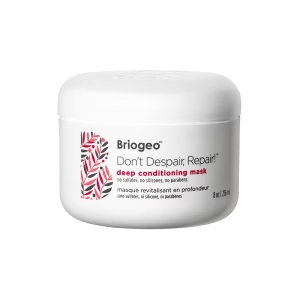
1. Briogeo Don’t Despair, Repair! Deep Conditioning Hair Mask (Best Overall)
Treatment type: Deep conditioning mask.
Best for: General dryness without significant damage.
Why it stands out: Balances conditioning oils and moisturizing ingredients to improve softness and manageability without making the treatment feel like a heavy styling product.
Key ingredients: Avocado oil, almond oil, rosehip oil, panthenol, biotin
How to use: Apply to damp hair after shampooing, focusing on lengths and ends. Leave on for the time stated on the current packaging and rinse thoroughly.
Potential downside: It may not be enough by itself for severe chemical damage or significant breakage.
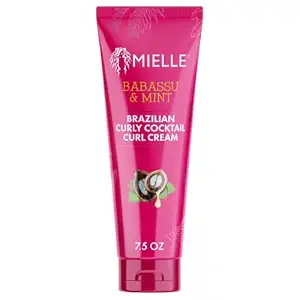
2. Mielle Babassu & Mint Damage Repair Bond Treatment (Best for Bleached or Chemically Damaged Hair)
Treatment type: Repair/strengthening treatment.
Best for: Hair that’s breaking, snapping, or recently bleached or heavily processed..
Why it stands out: A targeted repair treatment intended for weakened hair, making it more relevant when breakage is the main concern rather than simple roughness.
Key ingredients: Babassu oil, amino acids, bond-repair technology.
How to use: Follow the product’s current directions closely because repair treatments vary in application and frequency.
Potential downside: It is not primarily a moisture mask, so very dry hair may still need a separate conditioning step.
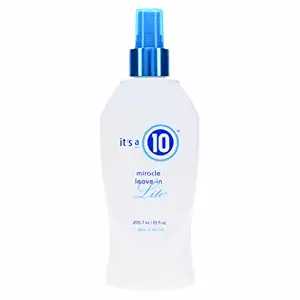
3. It’s a 10 Miracle Leave-In Lite With 10 Benefits (Best for Fine, Dry Hair)
Treatment type: Leave-in conditioner.
Best for: Fine or thin hair that’s dry but easily weighed down..
Why it stands out: The Lite formula is designed to provide conditioning and detangling while remaining lighter than richer leave-in products.
Key ingredients: Silk amino acids, conditioning agents, lightweight moisturizers
How to use: Apply a small amount to damp hair, concentrating on mid-lengths and ends. Add more only if needed.
Potential downside: May not provide enough richness for very coarse or severely dry hair.
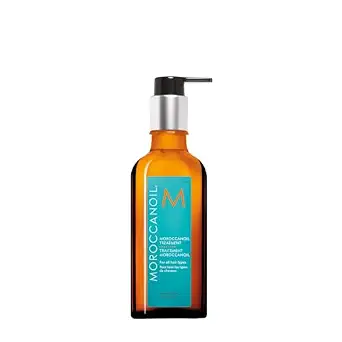
4. Moroccanoil Treatment Hair Oil (Best for Dry Ends)
Treatment type: Hair oil.
Best for: Dry, frizzy ends on otherwise healthy hair..
Why it stands out: Argan-oil-based treatment that smooths the hair surface, improves shine and helps reduce the rough feel of dry ends.
Key ingredients: Argan oil
How to use: Use a small amount through damp or dry mid-lengths and ends. Start with less product and add only if needed.
Potential downside: Oil helps smooth and seal but should not replace a conditioner or mask when the hair lacks moisture.
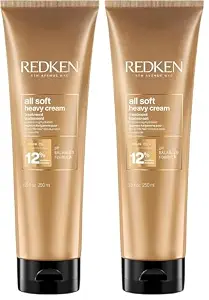
5. Redken All Soft Heavy Cream Hair Mask (Best for Thick or Coarse Dry Hair)
Treatment type: Deep conditioning mask.
Best for: Thick, coarse hair that stays dry despite regular conditioner..
Why it stands out: A richer conditioning treatment designed for dry, brittle hair and especially useful when a lightweight conditioner does not provide enough softness.
Key ingredients: Argan oil, conditioning agents
How to use: Apply after shampooing through lengths and ends, leave for the time stated on the current package, then rinse well.
Potential downside: Its richness can be excessive for fine hair.
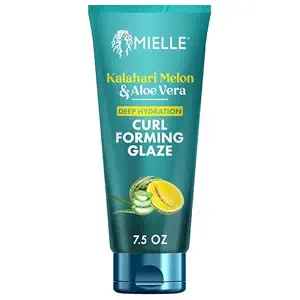
6. Mielle Kalahari Melon & Aloe Vera Deep Hydration 2-Minute Deep Conditioner (Best for Curly or Coily Hair)
Treatment type: Deep conditioner.
Best for: Curly and coily hair needing extra moisture and slip..
Why it stands out: Designed around deep hydration and easier detangling, making it useful for textured hair that needs more conditioning than a quick rinse-out conditioner provides.
Key ingredients: Kalahari melon, aloe vera, moisturizing ingredients.
How to use: Apply after shampooing, distribute through the hair and leave on for about two minutes or as directed on the current package before rinsing.
Potential downside: The richness may feel too heavy for looser or very fine curl patterns.
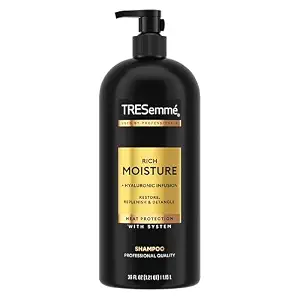
7. TRESemmé Rich Moisture Shampoo & Conditioner (Best Everyday Cleansing System)
Treatment type: Cleansing + conditioning.
Best for: Replacing a routine that leaves dry hair feeling stripped after washing..
Why it stands out: A moisture-focused shampoo-and-conditioner pairing intended to make regular cleansing more comfortable for dry hair.
Key ingredients: Hyaluronic acid, conditioning agents.
How to use: Use the shampoo and conditioner as your regular wash-day system, following current package directions.
Potential downside: It helps maintain softness during cleansing but is not a substitute for a weekly deep treatment when hair is very dry.
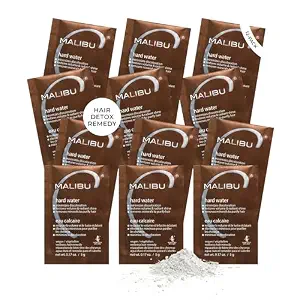
8. Malibu C Hard Water Wellness Remedy (Best for Buildup or Hard Water Areas)
Treatment type: Clarifying/chelating treatment.
Best for: Dullness and dryness associated with mineral buildup..
Why it stands out: Designed to remove hard-water mineral deposits, making it useful when hair feels coated or conditioner seems unable to improve the texture.
Key ingredients: Chelating/mineral-removing agents.
How to use: Use occasionally according to the current package directions, then follow with a moisturizing conditioner or mask.
Potential downside: Overuse can be drying, so this is an occasional reset rather than an everyday wash-day step.
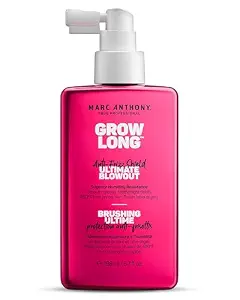
9. Redken Quick Blowout Heat Protectant Spray (Best for Heat-Styled Hair)
Treatment type: Protective treatment.
Best for: Hair that is regularly blow-dried or styled with heat tools..
Why it stands out: A lightweight blow-dry primer that helps condition hair while providing heat protection, making prevention part of the dry-hair routine.
Key ingredients: Conditioning and heat-protective agents.
How to use: Apply to damp hair before blow-drying or other heat styling, following the current product directions.
Potential downside: It helps prevent additional heat-related stress but cannot reverse existing structural damage.
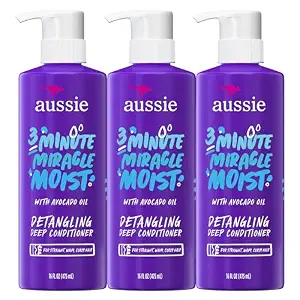
10. Aussie 3 Minute Miracle Moist Deep Conditioner (Best Drugstore Option)
Treatment type: Deep conditioner.
Best for: Affordable weekly conditioning for dry hair..
Why it stands out: A budget-friendly deep conditioner that provides a simple way to add a dedicated moisture step without the cost of a premium mask.
Key ingredients: Avocado oil, jojoba oil, conditioning agents.
How to use: Apply after shampooing, leave on for about three minutes or according to the current package directions, then rinse well.
Potential downside: May not be enough on its own for severe damage or extremely coarse hair.
Best Treatments by Hair Type
Fine, dry hair: Lightweight leave-ins and masks. Avoid heavy oils near the roots, which can flatten fine strands.
Thick or coarse dry hair: Richer masks with butters like shea or cocoa tend to actually penetrate the strand rather than sit on top.
Curly or coily hair: Prioritize slip and moisture retention — deep conditioners plus a leave-in usually outperform a quick rinse-out conditioner.
Color-treated or bleached hair: Bond-repair treatments alongside color-safe conditioning products help address both the dryness and the structural weakening.
High-porosity hair (absorbs moisture quickly but loses it just as fast): Richer, more occlusive products that help seal moisture in.
Low-porosity hair (resists absorbing product): Lighter formulas
applied to damp, warm hair tend to absorb better than heavy creams on cold, dry strands.
How to Treat Extremely Dry Hair
If regular conditioning hasn’t made a noticeable difference, a more layered approach usually helps:
- Cut back on heat styling as much as practical while your hair recovers.
- Switch to a gentle, moisturizing shampoo and avoid washing more often than necessary.
- Deep condition weekly, leaving the mask on for the full recommended time rather than rinsing early.
- Add a leave-in conditioner after every wash, focused on mid-lengths and ends.
- Seal with a small amount of oil on the ends to lock in the moisture from previous steps.
- Protect your hair overnight with a silk or satin pillowcase to reduce friction.
- Address the underlying cause — if it’s bleach damage, add a bond-repair step; if it’s heat damage, add consistent heat protection.
- Consider a professional treatment if there’s no improvement after several weeks of a consistent routine.
Ingredients Worth Looking For
A few ingredient categories show up across almost every effective dry-hair treatment, and knowing what they do makes it easier to judge a product beyond its marketing:
Humectants (glycerin, hyaluronic acid) draw moisture into the hair shaft.
Emollients (shea butter, argan oil, jojoba oil) smooth the surface and reduce frizz.
Occlusives or film-forming ingredients help seal moisture in
and reduce ongoing loss.
Bond-building or protein-based ingredients (amino acids, keratin) are more relevant for structurally damaged hair than for straightforward dryness — they’re solving a different problem, so don’t expect a protein treatment to fix dullness the way a moisture mask would.
A formula that combines a humectant with an emollient tends to outperform one relying on a single ingredient type, which is part of why the products above vary in their key ingredients depending on what they’re designed to fix.
Can Hard Water Make Your Hair Dry?
Yes, in a lot of cases. Hard water leaves mineral deposits on hair over time, which can make it feel coated, look dull, and resist absorbing
conditioner properly — a pattern that looks a lot like ordinary dryness but doesn’t respond the same way to regular conditioning.
If you’re in a hard water area and your hair stays dull or dry no matter what you use, an occasional chelating treatment (not the same as a standard clarifying shampoo) followed immediately by a deep
conditioning mask is worth trying before assuming you need a stronger moisturizing product. This isn’t something to do every wash — once every few weeks is usually enough to reset buildup without over-drying your
hair in the process.
A Simple Weekly Routine for Dry Hair
Every wash day: Gentle, moisturizing shampoo → conditioner →
leave-in if hair feels like it needs it.
Once a week: Deep conditioning mask, left on for the full recommended time.
As needed: Bond repair or a chelating treatment, depending on what’s actually causing the dryness.
Daily: Heat protectant before any styling tool, and a small amount of oil on dry ends if they feel rough.
At night: A silk or satin pillowcase to reduce friction and moisture loss while you sleep.
You don’t need every step every single wash — this is a framework to adjust based on how your hair is actually behaving that week.
Mistakes That Make Dry Hair Worse
Washing too frequently, which strips natural oils faster than they can replenish
Using very hot water, which can leave hair feeling rougher over time
Skipping conditioner to save time, especially after a clarifying or chelating wash
Excessive heat styling without any heat protectant
Aggressive towel-drying, which creates friction and can roughen the hair’s outer layer
Repeated bleaching or coloring without a repair step in between
Overusing protein or strengthening treatments, which can make hair feel stiff or brittle if it doesn’t actually need that much protein
At-Home vs. Salon Treatments
Most everyday dryness responds well to a consistent at-home routine. A professional treatment is worth considering when:
Breakage is significant and hasn’t improved with regular bond-repair products
You’ve had extensive or repeated chemical processing
Your hair isn’t improving despite weeks of a consistent routine
You’re dealing with persistent scalp symptoms alongside the dryness
At a salon, options generally fall into deep-conditioning treatments
(similar goal to an at-home mask, but often more concentrated), bond-building treatments (for chemical damage), and keratin or smoothing treatments (aimed at frizz and manageability, not primarily hydration). It’s worth being clear with your stylist about whether you want moisture, repair, or smoothing, since these aren’t interchangeable, and salon
formulas and results vary quite a bit by brand and technique. According to the American Academy of Dermatology, reducing heat styling and chemical processing is one of the most reliable ways to prevent ongoing hair dryness and damage, regardless of which products you use.
Frequently Asked Questions
What are the best treatments for dry hair
A combination of a deep conditioning mask, a leave-in conditioner, and an oil on the ends tends to cover most cases of ordinary dryness, with a bond-repair treatment added if hair is also damaged.
What are the best treatments for extremely dry hair?
A layered routine — gentle shampoo, weekly deep conditioning, a leave-in after every wash, and oil sealed onto the ends — generally works better than relying on a single product.
What is the best treatment for dry, damaged hair?
Bond-repair or strengthening treatments address the structural damage, while a moisture-focused mask handles the dryness — most damaged, dry hair benefits from both rather than one alone.
How do I rehydrate my dry hair?
Start with a gentle, moisturizing shampoo, add a weekly deep-
conditioning mask, and follow with a leave-in conditioner and a small amount of oil to help lock in moisture.
Does dry hair need moisture or protein?
It depends on the cause. Hair that feels rough and dull usually needs moisture, while hair that’s breaking or chemically processed often needs a protein or bond-focused treatment — many people need a mix of both.
Can hard water make hair dry?
Yes — mineral buildup from hard water can make hair feel coated and resist absorbing moisture, which looks like ordinary dryness but responds better to an occasional chelating treatment than to more conditioner.
Is keratin treatment good for dry hair?
Keratin and smoothing treatments are mainly designed to reduce frizz and improve manageability, not to add deep hydration, so they work best alongside a moisture-focused routine rather than replacing it.
How often should I use a hair mask for dry hair?
Once a week is a reasonable starting point for most hair types; very dry or damaged hair may benefit from more frequent use, while fine hair may only need it every other week.
Is hair oil good for dry hair?
Yes, mainly for sealing in moisture and smoothing the ends — oil works best applied after a conditioner or mask rather than as a stand-alone treatment for dryness.
Should I get a salon treatment or handle dry hair at home?
Most everyday dryness responds well to a consistent at-home routine; a salon treatment is worth considering if breakage is significant, damage is extensive, or nothing has improved after several weeks of consistent care.
Final Verdict
Best Overall: Everyday Hydrating Mask
Best for Bleached/Damaged Hair: Bond-Repair Treatment
Best for Fine, Dry Hair: Lightweight Leave-In Conditione
Best for Dry Ends: Rich Overnight Hair Oil
Best for Thick/Coarse Hair: Rich Conditioning Mask
Best for Curly/Coily Hair: Curl-Defining Deep Conditioner
Best Everyday Cleansing System: Moisturizing Shampoo & Conditioner Duo
Best for Hard Water/Buildup: Chelating Treatment
Best for Heat-Styled Hair: Heat Protectant Spray
Best Drugstore Option: Budget-Friendly Deep Conditioner
The most effective treatments for dry hair aren’t about finding one
miracle product — they’re about matching the treatment type to what’s actually causing the dryness in the first place. Figure out whether you’re dealing with dryness, damage, or both, pick a treatment that addresses
that specific problem, and build it into a simple weekly routine rather than switching products every few weeks hoping something sticks.
Disclaimer: The products mentioned are recommendations based on research and verified customer reviews rather than in-person testing. Individual results may vary based on hair type, condition, and how consistently a routine is followed. This article is not a substitute for professional dermatological or trichological advice.