This post may contain affiliate links. If you purchase through a link on this page, we may earn a small commission at no extra cost to you.
If your hair feels dry, brittle, rough, or breaks easily, choosing the right best hair care products for damaged hair can make a
noticeable difference in how your hair looks and feels.
Bleaching, coloring, frequent heat styling, and everyday friction can leave hair more prone to dryness, frizz, and breakage.
The best top products for damaged hair depend on what your hair needs most. Some treatments focus on strengthening and bond repair, while others are
designed to add moisture, improve manageability, reduce frizz, or protect hair from further heat damage.
In this guide, we compare 10 hair care products for damaged hair and explain what each type is best for, who may benefit from it, and what to consider before choosing one. Whether you’re dealing with bleach damage, heat damage, dryness, or hair breakage, you’ll find options for different hair concerns and budgets.
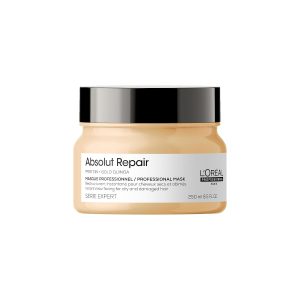
Quick Comparison: Best Products for Damaged Hair
| Product | Best for | Type | Main trade-off |
| K18 Leave-In Molecular Repair Hair Mask | Overall repair-focused pick | Leave-in treatment | Premium-priced; follow directions closely |
| OLAPLEX No. 3 Hair Perfector | Bleached or chemically processed hair | Pre-shampoo treatment | Adds a step before shampooing |
| Redken Acidic Bonding Concentrate Leave-In Treatment | Breakage-prone hair and heat styling | Leave-in treatment | May be more than needed for simple dryness |
| L’Oréal Paris Elvive Total Repair 5 Damage-Erasing Balm | Budget-friendly conditioning | Rinse-out treatment | Conditioning support is not the same as a dedicated bond treatment |
| Briogeo Don’t Despair, Repair! Deep Conditioning Hair Mask | Dry, brittle, damaged hair | Deep-conditioning mask | May feel rich on fine hair if overused |
Quick recommendation: Start with K18 if you want a leave-in treatment aimed at chemically or heat-damaged hair; compare OLAPLEX No. 3 if you prefer a pre-shampoo treatment. For heat styling and breakage concerns, consider Redken’s leave-in. If your main issue is dryness, Briogeo’s mask may be a better fit, while L’Oréal Elvive gives you a more budget-friendly conditioning option.
Top 5 Hair Care Products for Damaged Hair
1. K18 Leave-In Molecular Repair Hair Mask — Best Overall Repair-Focused Pick
Best for: Hair affected by bleaching, coloring, chemical services, or frequent heat styling. K18 is a leave-in treatment designed for best hair care products for damaged hair and uses its K18PEPTIDE technology. Its four-minute leave-in format may appeal to people who want a targeted treatment without adding another rinse-out step.
Pros
- Designed for hair affected by chemical services and heat styling.
- Leave-in format avoids an extra rinse step.
- Short processing time compared with many traditional masks.
Cons
- Costs more than many standard conditioning treatments.
- Requires careful use according to the brand’s instructions.
Quick verdict: Consider K18 if your main concern is damage after bleach, color, or heat styling and you want a leave-in treatment. It is not a replacement for everyday conditioning or heat protection when those are needed.
How to use: Follow the current package directions. The brand generally instructs users to shampoo, skip conditioner before application, towel-dry, apply the recommended amount, wait four minutes, and then style without rinsing.
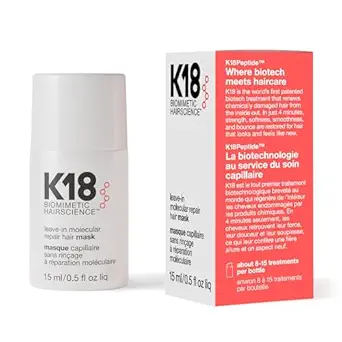
2. OLAPLEX No. 3 Hair Perfector — Best for Chemically Damaged Hair
Best for: Hair weakened by bleaching, coloring, or other chemical processing. OLAPLEX No. 3 is a pre-shampoo treatment intended to support stronger-feeling hair. It suits readers looking for a dedicated treatment rather than a regular conditioner alone.
Pros
- Pre-shampoo treatment specifically positioned for damaged hair.
- Can fit into a routine for color-treated or chemically processed hair.
- Does not require overnight application; follow the label’s processing time.
Cons
- Requires an extra step before shampooing and conditioning.
- May not provide enough softness on its own if dryness is the main concern.
Quick verdict: Compare OLAPLEX No. 3 if chemical processing is your main concern and you prefer a pre-shampoo treatment. Pair it with suitable conditioning if your hair also feels dry.
How to use: Apply as directed to damp hair before shampooing, leave on for the time stated on the current label, rinse thoroughly, then shampoo and condition.
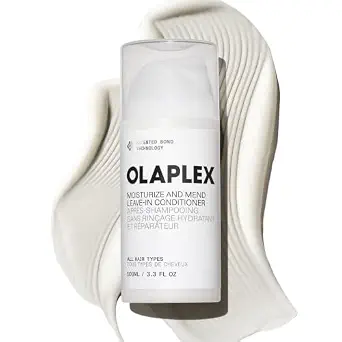
3. Redken Acidic Bonding Concentrate Leave-In Treatment — Best for Breakage-Prone Hair and Heat Styling
Best for: Hair that feels weakened or breaks easily, particularly when heat styling is part of the routine. Redken positions this leave-in treatment for damaged hair and combines conditioning with heat protection. It may be useful when you want a product that supports manageability before styling.
Pros
- Leave-in format is convenient for wash-day styling.
- Combines conditioning with heat protection according to product claims.
- Can be considered for color-treated and chemically processed hair.
Cons
- A premium leave-in may be unnecessary if your only concern is mild dryness.
- It does not remove the need to use heat tools carefully.
Quick verdict: Consider Redken if your hair is prone to breakage and you regularly blow-dry or use hot tools. Apply as directed and avoid assuming one product can prevent all damage.
How to use: Apply the amount recommended on the label to clean, damp hair, focusing on the lengths and ends, then style as directed.
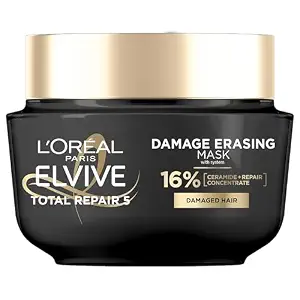
4. L’Oréal Paris Elvive Total Repair 5 Damage-Erasing Balm — Best Budget-Friendly Pick
Best for: Shoppers who want an accessible rinse-out conditioning treatment for dry, rough, or damaged hair. A conditioning balm can improve softness and manageability, although it should not be treated as interchangeable with every bond-focused repair treatment.
Pros
- More budget-oriented than many salon-focused treatments.
- Easy to add to a regular wash routine.
- Useful when roughness and manageability are key concerns.
Cons
- A rich texture may weigh down some fine hair.
- Primarily a conditioning option; it may not meet every need for chemically weakened hair.
Quick verdict: Choose this if you want a budget-friendly way to condition dry or damaged lengths. If bleaching-related weakness is your main issue, compare it with a targeted repair treatment as well.
How to use: Apply to clean, wet hair as directed, concentrating on the lengths and ends, then rinse thoroughly.
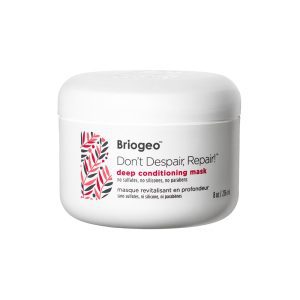
5. Briogeo Don’t Despair, Repair! Deep Conditioning Hair Mask — Best for Dry and Brittle Hair
Best for: Hair that feels dry, brittle, rough, or difficult to detangle. Briogeo’s mask is a deep-conditioning treatment designed for dry and damaged hair, making it a useful option when softness and manageability are major priorities.
Pros
- Designed for dry and damaged hair.
- Deep-conditioning format can support softness and easier detangling.
- Useful when dryness and damage occur together.
Cons
- May feel too rich on fine hair if too much is applied.
- Does not replace a heat protectant.
Quick verdict: Consider Briogeo if dry, brittle lengths are your biggest concern. Use it as directed and adjust the amount to your hair’s thickness and response.
How to use: After shampooing, apply through the lengths and ends, leave on for the time listed on the package, and rinse thoroughly.
Which Hair Repair Product Should You Buy?
The best hair care products for damaged hair depends on the source of the damage. For hair affected by old bleach or color, consider a targeted treatment such as K18 or OLAPLEX No. 3. For hair that breaks during styling, a leave-in treatment with heat protection, such as Redken Acidic Bonding Concentrate Leave-In Treatment, may fit your routine. For dryness and roughness, a deep-conditioning mask such as Briogeo may be more relevant; for a lower-cost conditioning option, compare L’Oréal Elvive.
No single product is proven to repair every type of hair damage or address damage, frizz, and scalp health equally. If scalp irritation is also a concern, choose scalp products separately and check their ingredients and directions. For a sensitive scalp, avoid applying a treatment to the scalp unless the label says it is intended for that area.
Best Products by Specific Hair Concern
For Bleached or Chemically Damaged Hair
Bleaching, coloring, relaxing, and other chemical services can leave hair feeling weak or rough. A targeted treatment such as K18 or OLAPLEX No. 3 may be worth comparing for chemically processed hair. Follow each product’s instructions and avoid stacking several intensive treatments without a clear reason.
For Heat-Damaged Hair
Frequent blow-drying, curling, and flat-ironing can contribute to dryness and breakage. Reduce unnecessary heat, use a suitable heat protectant, and choose a conditioning or repair treatment based on your hair’s needs. Redken Acidic Bonding Concentrate Leave-In Treatment is one option in this guide to compare for leave-in conditioning and heat protection.
For Dry, Brittle, or Rough Hair
If dryness is the main issue, prioritize conditioning and detangling. Briogeo Don’t Despair, Repair! Deep Conditioning Hair Mask is a relevant option to compare. A rich mask may not suit every fine-hair type, so start with the recommended amount and see how your hair responds.
For Hair Breakage
Breakage-prone hair may benefit from gentle handling, conditioning, reduced heat exposure, and a targeted treatment. Avoid rough towel-drying and aggressive brushing. Redken’s leave-in is an option to compare if you also use heat tools; OLAPLEX No. 3 may be worth considering when chemical processing is a major factor.
For Frizz and Humidity
Smoothing products can improve the appearance and manageability of frizz, but they are not necessarily repair treatments. The products in this five-item shortlist focus on repair, conditioning, or heat protection; if frizz control is your main priority, look specifically for a smoothing product with humidity-related claims and follow its directions.
For Fine Hair
Fine hair can be weighed down by rich masks, balms, or oils. Start with a small amount, focus on mid-lengths and ends, and avoid applying rich products near the roots unless the product is designed for scalp use.
For a Budget-Friendly Routine
You do not need every product in this guide. Start with a suitable conditioner, choose one treatment that matches your main concern, and use heat protection if you style with hot tools. L’Oréal Elvive Total Repair 5 Damage-Erasing Balm is the budget-oriented conditioning option in this comparison.
A Simple 3-Step Routine for Damaged Hair
Step 1: Choose One Targeted Treatment
Choose one treatment based on your main concern: K18 or OLAPLEX No. 3 for a repair-focused approach to processed hair, or a deep-conditioning mask if dryness is the priority. Follow the exact directions for your selected product.
Step 2: Cleanse and Condition Gently
Use a shampoo and conditioner that leave your hair clean and manageable without making it feel stripped. Conditioner can help detangle and reduce friction, even when you also use a targeted repair treatment.
Step 3: Protect Hair Before Styling
If you use a blow-dryer, curling iron, or flat iron, apply a suitable heat protectant and avoid unnecessarily high temperatures. A repair treatment does not make hair immune to future heat damage.
Tip: Start with a simple routine. Using several intensive products at once is not automatically more effective and can make it difficult to identify what works for your hair.
Common Mistakes to Avoid
Using Several Repair Treatments at Once
More products do not necessarily mean better results. Start with one targeted treatment and add other products only when they serve a clear purpose.
Skipping Conditioner
A bond-focused or strengthening treatment does not automatically replace regular conditioner unless the product directions say so. Conditioner can support softness, detangling, and manageability.
Applying Too Much Product
Too much product can leave hair heavy or coated, particularly if it is fine. Follow the label and start with the recommended amount.
Using Heat Without Protection
Frequent high-heat styling can contribute to additional damage. Use a suitable heat protectant and reduce heat exposure where possible.
Expecting Products to Reverse Every Type of Damage
Hair products may improve strength, conditioning, manageability, and appearance, but they cannot permanently reverse every type of damage. If breakage continues, reduce chemical and heat exposure and consider consulting a qualified hair professional.
Frequently Asked Questions
What are the best hair care products for damaged hair?
The best option depends on the cause of damage. K18 and OLAPLEX No. 3 are repair-focused options to compare for chemically processed hair, Redken Acidic Bonding Concentrate Leave-In Treatment is a leave-in option for styling routines, and Briogeo’s mask may suit dry, brittle hair. L’Oréal Elvive is the budget-friendly conditioning pick in this guide.
What is the best product for damaged hair?
There is no singlebest hair care products for damaged hair for every person. Match the treatment to the main concern: processed-hair repair, breakage, heat styling, or dryness. Follow the product directions and consider your hair type and budget.
What are the best products for hair breakage?
A breakage-focused routine usually combines gentle handling, conditioning, reduced heat and chemical stress, and a targeted treatment when appropriate. Redken Acidic Bonding Concentrate Leave-In Treatment is one option to compare if you also need leave-in conditioning and heat protection.
What is the best treatment for very damaged hair?
For very damaged or chemically processed hair, a targeted treatment such as K18 or OLAPLEX No. 3 may be worth considering, alongside gentle cleansing and conditioning. No product can reverse all damage, and persistent breakage may need professional assessment.
What are the best products for dry, damaged hair?
Dry, damaged hair often needs conditioning and improved manageability as well as any targeted repair step. Briogeo Don’t Despair, Repair! Deep Conditioning Hair Mask is the deep-conditioning option in this guide; L’Oréal Elvive is a more budget-oriented conditioning choice.
Which hair repair products are worth buying for bleach and heat damage?
If both bleach and heat styling are concerns, consider one targeted repair treatment and use a heat protectant whenever you style. K18 and OLAPLEX No. 3 are options to compare for processed hair, while Redken’s leave-in is relevant to styling routines. Choose based on directions, budget, and hair response.
Can one product repair damage, control frizz, and support scalp health?
One product may offer several cosmetic benefits, but it is not safe to assume that one treatment addresses structural damage, frizz, and scalp health equally. Choose a repair or conditioning product for the hair lengths and a separate scalp product only if needed and suitable.
Are expensive hair repair products better than budget products?
Not automatically. Premium treatments may offer a different formula or format, but the best choice depends on your hair concern, directions, comfort, and budget. A budget conditioning product can help with softness even if it does not replace a targeted treatment for chemically processed hair.
How often should I use a damaged-hair treatment?
Frequency depends on the product. Some treatments are designed for occasional or weekly use, while others have different directions. Follow the current package instructions and adjust if your hair feels heavy, coated, or uncomfortable.
Can damaged hair be completely repaired?
Products can improve the feel, appearance, manageability, and strength of damaged hair, but they cannot permanently reverse every form of damage. Reducing heat, chemical processing, and rough handling is an important part of preventing further damage.
Final Thoughts
Choosing the best hair care products for damaged hair starts with identifying what your hair needs most. K18 is the overall repair-focused pick in this guide; OLAPLEX No. 3 is an option to compare for chemically processed hair; Redken Acidic Bonding Concentrate Leave-In Treatment fits a leave-in styling routine; Briogeo’s mask targets deep conditioning; and L’Oréal Elvive offers a budget-friendly conditioning option.
You do not need to buy all five. Start with one product that addresses your main concern, continue gentle cleansing and conditioning, and protect your hair from additional heat or chemical stress. Check current product details, package directions, and recent customer feedback before purchasing.
If you want to read more about this, check out our detailed guide here:https://zaisufbeauty.com/best-face-serum-for-sensitive-skin/