If your skin turns red, tight, or itchy the moment you try something new, you already know that finding the right best face serum for sensitive skin is not as simple as picking whatever is trending. Sensitive skin can mean different things for different people — for some it shows up as dryness and flaking, for others it’s redness, stinging, or a weakened skin barrier that reacts to almost everything. This guide breaks down exactly what to look for, which ingredients tend to help (and which ones deserve extra caution), and five specific serums worth considering, chosen for different sensitive-skin needs rather than a single “one size fits all” pick. whether your main concern is dehydration, visible redness, oiliness alongside sensitivity, or simply wanting a short, predictable ingredient list, there’s a logical starting point below.
Quick Answer: Our Top Picks at a Glance
Serum | Best For | Key Ingredients | Fragrance-Free | Texture |
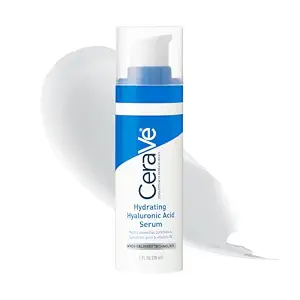
| CeraVe Hydrating Hyaluronic Acid Serum | BestOverall | Hyaluronic Acid, Ceramides, Vitamin B5 | Yes | Lightweight gel |
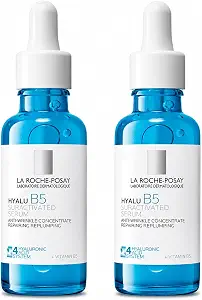
La Roche-Posay Hyalu B5 Serum | Best for Barrier Support | Hyaluronic Acid, Vitamin B5,Madecassoside | Fragrance-free formula | Gel-serum |
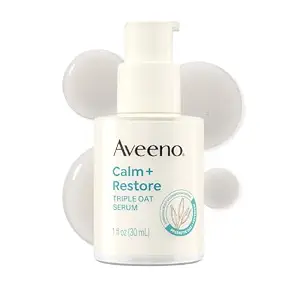
| Aveeno Calm + Restore Triple Oat Serum | Best Budget / Redness-Prone Skin | Oat, Feverfew | Yes | Lightweight lotion-serum |
| GoodMolecules 5%NiacinamideSerum with Ectoin | Best for Oily, Sensitive Skin | Niacinamide, Ectoin | Yes | Watery |
| Anua Rice Ceramide 7 Hydrating Barrier Serum | BestLightweight Hydrator | Ceramides, Niacinamide, Rice Extract | Yes | Lightweight, fast-absorbing |
(Check current prices before buying, since they can change — that’s exactly why we don’t hard-code prices into this guide.)
What Does “Sensitive Skin” Actually Mean?
Before picking a serum, it helps to understand that sensitive skin isn’t one single condition. It can show up as:
Reactivity — stinging, burning, or redness after using certain products
A compromised barrier — tightness, flaking, or rough texture
Dehydration — skin that feels dry even though it may not lack oil
Chronic redness — ongoing flushing or visible capillaries
Overlap with other skin types — plenty of people have oily and
sensitive skin, or acne-prone and sensitive skin at the same time
Because of this, the “best” serum really depends on which of these describes your skin most closely. That’s why this guide is organized by use case rather than a single ranked list.
What Makes a Serum Suitable for Sensitive Skin?
When evaluating any serum for reactive or easily irritated skin, a few factors matter more than flashy marketing claims:
Fragrance and Essential Oils
Fragrance is one of the most common triggers for sensitive skin. A fragrance-free formula is generally a safer starting point, though tolerance is individual — some people do fine with low levels of fragrance, while others react to “fragrance-free” products containing other irritants.
Barrier-Supportive Ingredients
Ceramides, cholesterol, and fatty acids help reinforce the skin’s natural barrier, which is often compromised in sensitive skin.
Hydrating, Humectant Ingredients
Hyaluronic acid, glycerin, and panthenol (vitamin B5) draw and hold moisture without necessarily introducing harsh actives.
Soothing Ingredients
Centella asiatica (cica), oat extract, allantoin, and beta-glucan are commonly used in formulas aimed at calming visible redness and irritation.
A Shorter, Simpler Ingredient List
Formulas with fewer total ingredients can make it easier to identify a trigger if your skin does react.
Patch Testing — Always
Even products labeled “for sensitive skin” can cause a reaction in some people. Apply a small amount to your inner arm or jawline for a few days before using it on your whole face.
Best Ingredients for Sensitive Skin
Ingredient | PrimaryRole | Why It Helps |
| Hyaluronic Acid | Hydration | Draws moisture into the skin |
Glycerin | Hydration | Versatile humectant, generally well tolerated |
Ceramides | Barriersupport | Helps reinforce the skin’s protective layer |
| Panthenol(Vitamin B5) | Soothing + hydration | Often used to calm irritation |
| CentellaAsiatica / Cica | Soothing | Commonly used for redness-prone skin |
Niacinamide | Barrier + oil balance | Can help with sensitive-oily combination skin, though some people find higher concentrations irritating |
Oat Extract | Soothing | Frequently used for eczema-prone and reactive skin |
Ingredients to Approach More Carefully
This isn’t a list of ingredients that are automatically “bad” — tolerance varies — but these are worth introducing slowly or discussing with a dermatologist if your skin is highly reactive:
Added fragrance or essential oils
High-strength exfoliating acids (strong AHAs/BHAs)
High-concentration retinoids, especially for first-time users
Denatured alcohol in some formulas
Stacking multiple active ingredients at once
The 5 Best Face Serums for Sensitive Skin
- CeraVe Hydrating Hyaluronic Acid Serum — Best Overall
Best for: General sensitive skin, dryness, everyday use
Key ingredients: Hyaluronic acid, three essential ceramides, vitamin B5 (panthenol)
Fragrance: Fragrance-free
This serum pairs a straightforward hydration profile (hyaluronic acid plus panthenol) with ceramides aimed at supporting the skin barrier. It’s a sensible starting point for people who want hydration without
introducing active treatment ingredients.
Pros: Simple ingredient list, non-comedogenic, widely available
Potential drawbacks: Primarily a hydrator — it won’t address pigmentation or acne on its own
Who should use it: Anyone wanting a gentle, no-frills hydrating serum as a first step into sensitive-skin skincare
- La Roche-Posay Hyalu B5 Serum — Best for Barrier Support
Best for: Dehydrated, barrier-compromised sensitive skin
Key ingredients: Hyaluronic acid, vitamin B5, madecassoside (a centella-derived compound)
Fragrance: Formulated to minimize irritation potential
This serum leans into barrier recovery, combining hydrating hyaluronic acid with soothing madecassoside. It’s a good option for skin that feels tight, dehydrated, or recently irritated from other products or weather changes.
Pros: Dermatologically-positioned brand, lightweight gel texture
Potential drawbacks: More of a repair/hydration formula than a treatment serum
Who should use it: People whose sensitivity is tied to barrier damage or recent irritation
- Aveeno Calm + Restore Triple Oat Hydrating Face Serum — Best Budget / Redness-Prone Skin
Best for: Redness-prone, easily irritated, budget-conscious shoppers
Key ingredients: Oat extract, feverfew
Fragrance: Fragrance-free
Built around oat and feverfew, this serum is positioned specifically for skin prone to visible redness and reactivity, at a more accessible price point than many sensitive-skin-focused brands.
Pros: Affordable, hypoallergenic positioning, lightweight feel
Potential drawbacks: Less barrier-repair-focused than ceramide-based options
Who should use it: Shoppers who want an affordable, soothing-first option
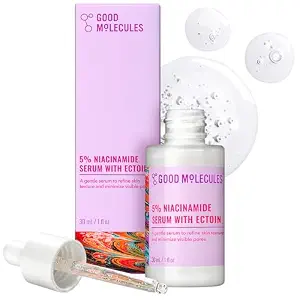
- Good Molecules 5% Niacinamide Serum with Ectoin — Best for Oily, Sensitive Skin
Best for: Sensitive skin that also runs oily or deals with enlarged pores
Key ingredients: Niacinamide, ectoin
Fragrance: Fragrance-free
Oily skin can still be sensitive — a combination that many “gentle” serums don’t address well because they lean heavily into rich, occlusive textures. This watery formula brings niacinamide (which can help with
oil balance over time) together with ectoin, an ingredient associated with helping skin tolerate environmental stress.
Pros: Lightweight, budget-friendly, minimal ingredient list
Potential drawbacks: Some people are sensitive to niacinamide at this concentration; patch testing is especially worthwhile here
Who should use it: Sensitive skin that also deals with oiliness or visible pores
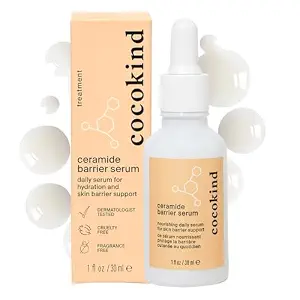
- Anua Rice Ceramide 7 Hydrating Barrier Serum — Best Lightweight Hydrator
Best for: Sensitive, dry skin that dislikes heavy texture
Key ingredients: Ceramides, niacinamide, rice extract
Fragrance: Fragrance-free
A lighter-weight option that still prioritizes barrier support through ceramides, without feeling heavy on the skin. It’s a popular entry point for people exploring gentler Korean skincare formulas for sensitive skin.
Pros: Fast-absorbing, non-comedogenic positioning, barrier-focused
Potential drawbacks: Contains niacinamide, so the same patch-testing caution applies as above
Who should use it: Sensitive-dry skin that wants hydration without a heavy finish
Best Serum by Skin Type
Sensitive + Dry: CeraVe Hydrating Hyaluronic Acid Serum or La Roche-Posay Hyalu B5
Sensitive + Oily: Good Molecules 5% Niacinamide Serum with Ectoin
Sensitive + Redness-Prone: Aveeno Calm + Restore Triple Oat Serum
Sensitive + Looking for a Lightweight Texture: Anua Rice Ceramide 7 Serum
Where Does Serum Fit in a Sensitive-Skin Routine?
A serum isn’t meant to replace your moisturizer or sunscreen — it works alongside them:
Morning: Gentle cleanser → Serum → Moisturizer → Sunscreen (SPF 30+)
Evening: Gentle cleanser → Serum → Moisturizer
Apply serum to slightly damp skin after cleansing, and give it a minute to absorb before layering a moisturizer on top. If you’re introducing a new serum, add only one new product at a time so you can identify what’s working — and what isn’t.
Can Sensitive Skin Use Niacinamide or Vitamin C?
Both ingredients can work for sensitive skin, but formulation matters more than the ingredient name alone. Lower concentrations, simpler formulas, and gradual introduction (starting with every other day) tend to be better tolerated than jumping straight into daily use of a high-strength version. If you notice stinging, redness, or itching that doesn’t settle, it’s reasonable to scale back or stop.
How to Patch Test a New Serum
- Apply a small amount to your inner forearm or behind your ear
- Wait 24–48 hours
- Check for redness, itching, swelling, or bumps
- If there’s no reaction, try a small area on your face before full application
Dermatologists commonly recommend patch testing as a simple, low-
risk way to check your skin’s reaction to a new product before applying it to your whole face — fragrance-free formulations with shorter ingredient lists are generally a sensible starting point for reactive skin.
For more on identifying your specific skin concerns, see our related guide on choosing a skincare routine for sensitive skin on ZaisufBeauty.
Frequently Asked Questions
What is the best face serum for sensitive skin?
There isn’t a single universal answer — it depends on whether your main concern is dryness, redness, oiliness, or barrier damage. A fragrance-free, simple formula with hydrating or soothing ingredients is a sensible starting point for most sensitive skin types.
Is hyaluronic acid good for sensitive skin?
Generally yes. Hyaluronic acid is a humectant that draws moisture into the skin and is usually well tolerated, though formulation (added fragrance, alcohol, or other ingredients) still matters.
Is niacinamide safe for sensitive skin?
Many people with sensitive skin tolerate niacinamide well, especially at
lower concentrations (around 2–5%), but some do experience redness or stinging. Patch testing is recommended.
Should sensitive skin avoid fragrance completely?
Not necessarily for everyone, but fragrance is one of the more common triggers for irritation, so a fragrance-free option is often a safer first choice, especially if you already know your skin reacts easily.
How long does it take to see results from a sensitive-skin serum? Hydration and soothing effects can often be noticed within days, while barrier repair and more significant changes in texture or redness can take several weeks of consistent use.
Can I use more than one serum at a time?
You can, but layering too many active ingredients at once increases the risk of irritation for sensitive skin. If you want to use more than one,
introduce them separately and watch for reactions.
Should serum go before or after moisturizer?
Serum typically goes after cleansing and before moisturizer, since moisturizer is usually thicker and meant to seal in the serum underneath.
Final Thoughts
If your skin reacts easily, the goal isn’t necessarily finding the “strongest” serum — it’s finding one with a formula your skin can actually tolerate and benefit from consistently. Start with a fragrance-free option that matches your main concern (hydration, redness, or barrier support), patch test it, and give it a few weeks before judging the results. From there, you can gradually introduce more targeted ingredients like niacinamide as your skin allows.
This article contains affiliate links. If you purchase through our links, we may earn a commission at no additional cost to you. Prices and product formulations can change, so always check the current listing on Amazon before purchasing.