This post contains affiliate links. As an Amazon Associate, we earn from qualifying purchases at no extra cost to you. This article is for education and is not medical advice.
Choosing a face serum for sensitive skin can feel risky. One wrong bottle can mean stinging, redness or a tight, flaky face by morning. The good news is that a gentle serum can add hydration and support your skin barrier without a complicated routine.
We compared ten popular serums available to U.S. shoppers by key ingredients, fragrance status, skin type, price level and possible drawbacks. The goal is simple: help you pick one that suits your skin, without trial and error on your face.
Quick Comparison: Best Face Serums for Sensitive Skin
Price key: $ = under $25, $$ = $25–$50, $$$ = $50+. Prices change by size and seller, so always confirm on Amazon.
| Serum | Best For | Key Ingredients | Fragrance | Price |
| CeraVe Hydrating Hyaluronic Acid Serum | Dry, dehydrated skin | Hyaluronic acid, ceramides, vitamin B5 | Check label | $ |
| La Roche-Posay Hyalu B5 | Dehydration, fine lines | Hyaluronic acid, panthenol, madecassoside | Contains fragrance (per brand) | $$–$$$ |
| The Ordinary Soothing & Barrier Support Serum | Budget barrier care | Multi-active barrier blend | Check label | $ |
| Cetaphil Ceramide Serum | Dry, red-prone skin | Ceramides, cica, allantoin | Fragrance-free (per brand) | $$ |
| BIODERMA Hydrabio Serum | Oily or combination skin | Hyaluronic acid, glycerin, niacinamide | Check label | $$ |
| BIODERMA Sensibio AR+ Bi-Serum | Visible redness | Squalane, glycerin, bakuchiol | Unfragranced (per brand) | $$ |
| CeraVe Skin Renewing Vitamin C Serum | Dullness, uneven tone | 10% L-ascorbic acid, ceramides | No added fragrance (per brand) | $$ |
| Naturium Vitamin C Complex Serum | Budget brightening | Vitamin C complex | Fragrance-free (per reports) | $ |
| CeraVe Skin Renewing Retinol Serum | Beginner retinol | Encapsulated retinol, niacinamide, ceramides | Fragrance-free (per brand) | $ |
| La Roche-Posay Mela B3 Serum | Dark spots | 10% niacinamide, Melasyl | Check label | $$$ |
What Makes a Serum Good for Sensitive Skin?
Here’s the thing most lists skip: “sensitive skin” is not a medical diagnosis. It usually means skin that stings, burns, itches or turns red easily. Often the cause is a weakened skin barrier, which lets water escape and irritants in.
A good face serum for sensitive skin keeps things simple. Look for these:
Hydrators. Hyaluronic acid and glycerin pull water into the skin.
Barrier helpers. Ceramides, panthenol (vitamin B5) and squalane help skin hold moisture.
Calming extras. Centella asiatica (cica), allantoin and oat are common in gentle formulas.
Just as important is what to check on the label. Fragrance, essential oils, strong acids and high-strength retinoids are the usual triggers. They aren’t bad for everyone, but they are where most reactions start.
One more point: “for sensitive skin” is a marketing phrase, not a guarantee. A serum can be tested on sensitive skin and still contain fragrance. That’s why we read the whole formula.
Sensitive, Dry or Dehydrated: What’s the Difference?
Many people mix these up, and it changes which serum you should buy.
Sensitive skin describes how easily your skin reacts.
Dry skin lacks oil.
Dehydrated skin lacks water, and it can happen to oily skin too.
You can be sensitive and oily, or sensitive and dehydrated. If your face feels tight but looks shiny, a light water-based serum will likely work better than a rich oily one.
How We Chose These Face Serums for Sensitive Skin
We used the same checklist for every product:
- Does the brand position it for sensitive skin?
- Is fragrance listed on the label?
- Does it contain barrier-supporting ingredients?
- How strong is the active ingredient, if there is one?
- What kind of evidence backs the claims: brand tests, consumer tests or reviews?
- Is it easy to find in the U.S. at a fair price?
Product details come from brand and retailer pages at the time of writing. Brands can change formulas, so read the current label before you buy. We use price tiers instead of exact prices because Amazon prices change often.
The 10 Best Face Serums for Sensitive Skin
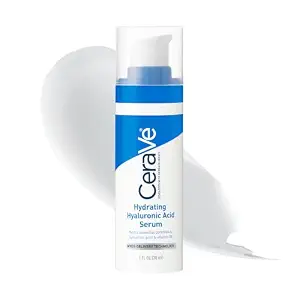
1. CeraVe Hydrating Hyaluronic Acid Serum: Best Overall for Dry Skin
This is the simplest pick on our list. It pairs hyaluronic acid with ceramides, so it adds water and helps keep it in. The texture is light and layers well under moisturizer.
Skin type: Dry or dehydrated
Key ingredients: Hyaluronic acid, ceramides, vitamin B5
Fragrance: Fragrance-free per brand; confirm on the label
Best for: Everyday hydration, first-time serum users
Watch out: It focuses on hydration, not dark spots or fine lines.
2. La Roche-Posay Hyalu B5: Best for Dehydration and Fine Lines
La Roche-Posay positions Hyalu B5 for sensitive skin and backs it with dermatologist and consumer testing claims. It is a popular choice for plumping the look of dehydrated skin.
Skin type: Dehydrated, normal or dry
Key ingredients: Hyaluronic acid, panthenol, madecassoside, glycerin
Fragrance: Contains fragrance, according to the brand
Best for: Dehydrated skin with early lines
Watch out: If fragrance is your trigger, choose another pick or patch test first.
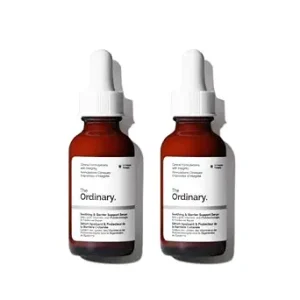
3. The Ordinary Soothing & Barrier Support Serum: Best Budget Barrier Pick
The brand made this serum for stressed, easily irritated skin. It is one of the most affordable ways to add barrier support, which makes it a good first serum.
Skin type: All skin types, including sensitive
Key ingredients: Multi-active soothing and barrier blend
Fragrance: Check the label
Best for: Stressed skin on a small budget
Watch out: Multi-active formulas have longer ingredient lists, so patch test first.
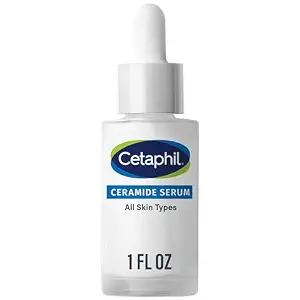
4. Cetaphil Ceramide Serum: Best Fragrance-Free Ceramide Option
Cetaphil describes this serum as fragrance-free, hypoallergenic and non-comedogenic. The mix of ceramides and cica suits skin that feels tight and looks flushed.
Skin type: Dry or red-prone
Key ingredients: Ceramides, cica, allantoin
Fragrance: Fragrance-free per brand
Best for: Dry, reactive skin
Watch out: Brand claims help, but your own skin is the final test.
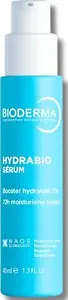
5. BIODERMA Hydrabio Serum: Best for Oily or Combination Skin
BIODERMA describes Hydrabio as lightweight, alcohol-free, silicone-free and non-comedogenic. It shows that oily skin can still be dehydrated and needs water, not heavy oils.
Skin type: Oily, combination or dehydrated
Key ingredients: Hyaluronic acid, glycerin, niacinamide
Fragrance: Check the label
Best for: Sensitive skin that feels tight but shiny
Watch out: It is a hydration serum, not an acne or pigmentation treatment.
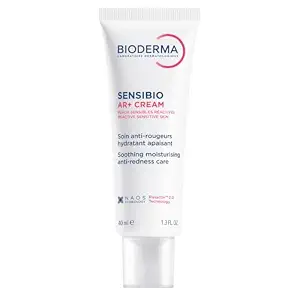
6. BIODERMA Sensibio AR+ Bi-Serum: Best for Visible Redness
This serum targets reactive, redness-prone skin, and the brand lists it as unfragranced. It is a smart choice if flushing bothers you more than dryness.
Skin type: Reactive, redness-prone
Key ingredients: Squalane, glycerin, bakuchiol, dipotassium glycyrrhizate
Fragrance: Unfragranced per brand
Best for: Soothing visible redness
Watch out: Persistent redness should be checked by a dermatologist, because a serum is not a treatment for skin conditions.
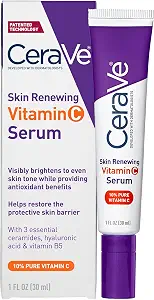
7. CeraVe Skin Renewing Vitamin C Serum: Best Vitamin C With Barrier Support
Vitamin C can sting reactive skin, so pairing it with ceramides makes sense. CeraVe markets this serum as suitable for sensitive skin and free of added fragrance.
Skin type: All skin types, including sensitive
Key ingredients: 10% L-ascorbic acid, ceramides, hyaluronic acid, vitamin B5
Fragrance: No added fragrance per brand
Best for: Dullness and uneven tone
Watch out: The ingredient list includes alcohol denat. Start every other day.
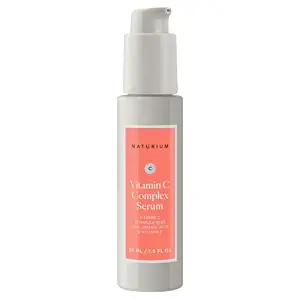
8. Naturium Vitamin C Complex Serum: Best Budget Vitamin C
A beauty editor at Marie Claire highlighted this serum partly because it is fragrance-free and easy on the wallet. It is a low-risk way to try vitamin C.
Skin type: Normal, combination or mildly sensitive
Key ingredients: Vitamin C complex
Fragrance: Fragrance-free per editorial reports
Best for: Brightening on a budget
Watch out: Vitamin C strength and form vary, so introduce it slowly.
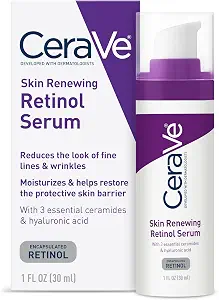
9. CeraVe Skin Renewing Retinol Serum: Best Beginner Retinol
Retinol is the active most likely to irritate. This serum uses encapsulated retinol with niacinamide and ceramides to soften the experience. CeraVe advises increasing use slowly.
Skin type: Normal, dry or mildly sensitive
Key ingredients: Encapsulated retinol, niacinamide, ceramides, hyaluronic acid
Fragrance: Fragrance-free per brand
Best for: Fine lines and rough texture
Watch out: Use it at night and wear sunscreen daily. Ask your doctor first if you are pregnant or nursing.
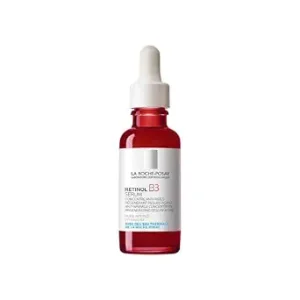
10. La Roche-Posay Mela B3 Serum: Best for Dark Spots
Sensitive skin often deals with marks left by breakouts or irritation. La Roche-Posay reports an eight-week study that included participants of all skin phototypes, which is useful context for deeper skin tones.
Skin type: All skin types
Key ingredients: 10% niacinamide, Melasyl
Fragrance: Check the label
Best for: Dark spots and post-acne marks
Watch out: Study results come from the brand, and the price is at the premium end.
Best Serum by Skin Concern
Start with your main concern, then match your skin type.
Dry or tight skin: Choose ceramides plus hyaluronic acid. See picks 1 and 4.
Oily or combination skin: Choose a light, water-based serum. See pick 5.
Redness: Choose a soothing, unfragranced formula. See picks 4 and 6.
Dullness or uneven tone: Try a gentle vitamin C. See picks 7 and 8.
Fine lines: Try a beginner retinol or a hydrating serum. See picks 9 and 2.
Dark spots: Consider niacinamide. See pick 10.
Best Face Serum for Sensitive Skin by Budget
Under $25: CeraVe Hyaluronic Acid, The Ordinary, Naturium and CeraVe Retinol are usually the most affordable.
$25 to $50: Cetaphil, both BIODERMA serums and CeraVe Vitamin C offer solid value.
$50 and up: Mela B3 and some sizes of Hyalu B5 sit here.
A higher price does not mean a gentler formula. A well-made $20 serum can suit your skin better than a luxury one.
Ingredients to Check Before You Buy
Sensitive skin does not mean “no actives ever.” It means adding them carefully.
Fragrance and essential oils. These are common triggers. The U.S. FDA explains how fragrance is handled on cosmetic labels on its fragrances in cosmetics page.
Exfoliating acids. Glycolic, salicylic and lactic acids can irritate if you overuse them.
Retinoids. Start slowly and keep the routine simple.
Vitamin C. Form and strength matter, so begin every other day.
“Fragrance-free” is helpful, but it does not mean irritation-free. A fragrance-free serum can still contain a strong active.
Serum vs. Moisturizer: Do You Need Both?
A moisturizer softens skin and slows water loss. A serum is thinner and carries a higher amount of targeted ingredients. Many people with reactive skin do well with a short routine.
If your skin feels comfortable with just cleanser, moisturizer and sunscreen, you don’t have to add more. A face serum for sensitive skin makes the most sense when you have a clear goal, such as extra hydration or fading marks.
How to Use a Serum on Sensitive Skin
Patch test first. Apply a small amount behind your ear or on your inner forearm for a few days. Stop if you notice burning, swelling or a rash.
Then follow this order:
- Morning: Cleanser, serum, moisturizer, sunscreen.
- Night: Cleanser, serum, moisturizer.
Add only one new product at a time. Layering several strong actives together is the fastest way to upset a fragile barrier. Not sure what to pair with your serum? Read our guide to the best moisturizer for sensitive skin.
Common Mistakes With Sensitive Skin Serums
- Starting several new products at once, so you can’t tell which one caused a reaction.
- Skipping the patch test.
- Using actives every night from day one.
- Trusting the “for sensitive skin” label without reading ingredients.
- Forgetting sunscreen, which matters even more when you use vitamin C or retinol.
Where to Buy Face Serum for Sensitive Skin in the USA
Amazon is convenient for comparing sizes and reading recent reviews. Ulta, Sephora, Target and brand websites are also common places for U.S. shoppers.
Buy from the brand or an authorized seller when you can. Check the seller name, size and ingredient list before ordering. Compare the cost per ounce, not just the sticker price, and check the return policy in case your skin reacts.
Frequently Asked Questions
What is the best face serum for sensitive skin?
There is no single winner. For most people, a hydrating serum with ceramides and hyaluronic acid, such as CeraVe or Cetaphil, is the safest place to start.
Can sensitive skin use vitamin C?
Often yes, but formula and strength matter. Pick a gentle product, start every other day and always wear sunscreen.
Can sensitive skin use retinol?
Many people can if they go slowly. Begin once or twice a week at night, add moisturizer and increase only if your skin stays calm.
Is hyaluronic acid good for sensitive skin?
It is widely used in gentle hydrating serums. Pair it with a moisturizer to help lock the water in.
Should sensitive skin avoid fragrance?
Fragrance is a common trigger, so many people choose fragrance-free products. If your skin doesn’t react to it, it may not be a problem for you.
Should I apply serum before moisturizer?
Yes. Serum is thinner, so it goes on right after cleansing. Moisturizer follows to seal it in.
Do I need a serum if I already use moisturizer?
Not always. A simple routine can be enough. A serum helps when you want extra hydration or have a specific goal.
Final Thoughts
The best face serum for sensitive skin is the one that fits your skin type, your main concern and your comfort with actives. Choose CeraVe or Cetaphil for hydration, BIODERMA Sensibio AR+ for redness, Naturium or CeraVe for vitamin C, and Mela B3 for dark spots.
Start with a gentle hydrating serum, patch test, and add extras slowly. If irritation or redness lasts, talk to a board-certified dermatologist. Then tap the links above to check current prices on Amazon.