This post may contain affiliate links. If you purchase through a link on this page, we may earn a small commission at no extra cost to you.
If your complexion looks dull even when the rest of your routine is solid, a well-formulated vitamin C serum can be a useful addition. The best formula is not simply the one with the biggest percentage: the vitamin C form, supporting ingredients, packaging, skin type, and tolerance all matter.
For this guide, we researched the **top vitamin C serum for glowing skin** search intent from a U.S. shopper’s perspective and compared real products available through major U.S. retailers and Amazon. We checked formulation details, disclosed strengths, skin-type positioning, ingredient combinations, and practical buying considerations.
This is editorial research, not laboratory testing. We do not claim that every product was personally tested by our team.
Quick Answer: Which Vitamin C Serum Is Best for Glowing Skin?
Choose the formula you can use consistently. Timeless 20% is a strong high-strength value option; CeraVe 10% is an approachable beginner choice with ceramides and hyaluronic acid; Sunday Riley C.E.O. offers a 15% THD ascorbate derivative; and La Roche-Posay Vitamin C12 gives shoppers a 12% pure-vitamin-C option focused on radiance and sensitive-skin positioning.
Best Vitamin C Serums for Glowing Skin at a Glance
| Product | Vitamin C | Best For | Skin Type | Amazon |
| Timeless Skin Care 20% Vitamin C + E Ferulic Acid Serum | 20% L-ascorbic acid | Best high-strength value | All skin types; especially dull or uneven-looking skin | Check Price |
| CeraVe Skin Renewing Vitamin C Serum | 10% pure L-ascorbic acid | Best beginner-friendly choice | Normal to dry, combination, and sensitive-leaning routines | Check Price |
| Naturium Vitamin C Complex Serum | Stabilized L-ascorbic acid complex | Best multi-formula value | Normal, combination, and shoppers seeking a balanced brightening formula | Check Price |
| TruSkin Vitamin C Facial Serum | Vitamin C with vitamin E and hydrating ingredients; concentration varies by current formula/listing | Best accessible everyday option | All skin types | Check Price |
| La Roche-Posay Vitamin C12 Serum | 12% pure L-ascorbic acid | Best for radiance and sensitive-skin positioning | All skin types; brand specifically positions it for sensitive skin | Check Price |
| Prequel Lucent-C Vitamin C Serum | 15% L-ascorbic acid | Best modern brightening formula | Normal, combination, and users seeking a multi-antioxidant formula | Check Price |
| Sunday Riley C.E.O. 15% Vitamin C Brightening Serum | 15% THD ascorbate | Best stable vitamin C derivative | All skin types; especially dullness and discoloration concerns | Check Price |
| SkinCeuticals C E Ferulic | 15% L-ascorbic acid | Best classic antioxidant benchmark | Normal, dry, and combination routines seeking antioxidant support | Check Price |
| Mad Hippie Vitamin C Serum | Sodium ascorbyl phosphate | Best gentle-leaning derivative formula | Normal, combination, and shoppers preferring a derivative | Check Price |
| Obagi Professional-C Serum 20% | 20% L-ascorbic acid | Best clinical-style high-strength option | Normal to oily and combination skin; discoloration concerns | Check Price |
Why Vitamin C Helps Skin Look Brighter
Vitamin C is an antioxidant and a cofactor involved in collagen production. Research has also examined topical vitamin C for pigmentation and photoaging. A systematic review found evidence of improvements in pigmentation and photoaging outcomes, while noting that longer-term use may be needed and that ideal concentrations are still not firmly established.
How We Selected These Serums
We compared real branded products using public formulation information, disclosed vitamin C forms and strengths, skin-type positioning, ingredient combinations, U.S. retailer information, and Amazon marketplace availability. We also covered the major search intents around glowing skin, dark spots, dullness, uneven tone, sensitivity, and beginner use. We did not invent laboratory scores or personal-testing claims.
10 Best Vitamin C Serums for Glowing Skin
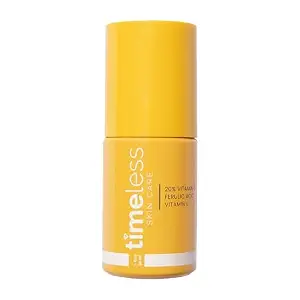
1. Timeless Skin Care 20% Vitamin C + E Ferulic Acid Serum — Best high-strength value
This is the straightforward high-strength option for shoppers who want a classic L-ascorbic-acid formula without moving into luxury-serum pricing. Timeless lists 20% L-ascorbic acid with vitamin E and ferulic acid and recommends it for dullness, hyperpigmentation, and discoloration.
Formula: 20% L-ascorbic acid | Size: 1 oz | Key support: Vitamin E + ferulic acid
Pros: 20% L-ascorbic acid; Vitamin E and ferulic acid support the antioxidant system
Cons: Higher-strength L-ascorbic acid can be less comfortable for reactive skin
2. CeraVe Skin Renewing Vitamin C Serum — Best beginner-friendly choice
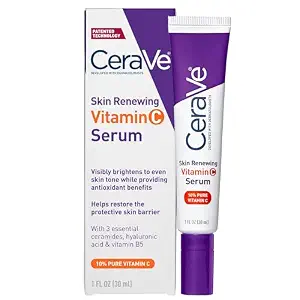
CeraVe takes a different approach from the minimalist 15–20% formulas. Its 10% pure vitamin C is combined with ceramides, hyaluronic acid, and vitamin B5, making it a practical pick for someone who wants brightening while keeping barrier-support ingredients in the same routine.
Formula: 10% pure L-ascorbic acid | Size: 1 oz | Key support: 3 essential ceramides + hyaluronic acid + vitamin B5
Pros: 10% pure vitamin C; Ceramides and hyaluronic acid add barrier and hydration support
Cons: Lower concentration than several high-strength picks
3. Naturium Vitamin C Complex Serum — Best multi-formula value
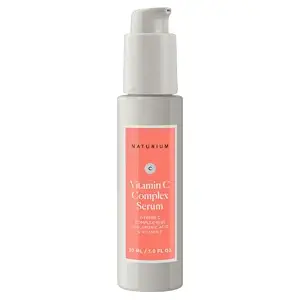
Naturium is useful when you do not want to judge a serum only by one headline percentage. The current formula combines a stabilized L-ascorbic-acid vitamin C complex with sodium ascorbyl phosphate and a bioactive fruit blend.
Formula: Stabilized L-ascorbic acid complex + sodium ascorbyl phosphate | Size: 1 oz | Key support: Vitamin C complex + fruit blend + hydrating ingredients
Pros: Uses more than one vitamin C form; Good balance of brightening and hydration-focused ingredients
Cons: The brand does not publish one simple percentage for the entire vitamin C complex
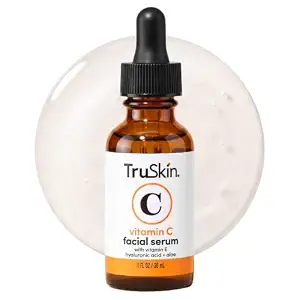
4. TruSkin Vitamin C Facial Serum — Best accessible everyday option
TruSkin has a large Amazon presence and is designed as an approachable daily brightening serum rather than a prestige treatment. Its formula pairs vitamin C with vitamin E and hydrating ingredients, making it a practical option for shoppers who want a simple entry point.
Formula: Vitamin C with vitamin E and hydrating ingredients; concentration varies by current formula/listing | Size: 1 oz listing | Key support: Vitamin E + hyaluronic-acid-based hydration + aloe
Pros: Broad skin-type positioning; Hydration-focused supporting ingredients
Cons: The current listing does not give a single concentration that makes it easy to compare with 10–20% L-ascorbic-acid formulas
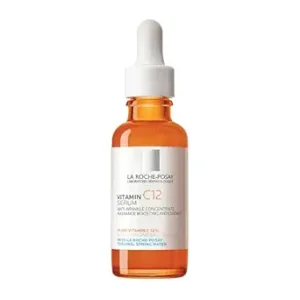
5. La Roche-Posay Vitamin C12 Serum — Best for radiance and sensitive-skin positioning
La Roche-Posay’s current U.S. formula is the Vitamin C12 Serum, not the older 10% naming used in some older articles.
Formula: 12% pure L-ascorbic acid | Size: 1 oz / 30 mL class | Key support: Neurosensine + salicylic acid + hyaluronic acid
Pros: Current U.S. formula uses 12% pure vitamin C; Sensitive-skin positioning and allergy-tested claim
Cons: Contains alcohol denat. and fragrance in the current ingredient list
6. Prequel Lucent-C Vitamin C Serum — Best modern brightening formula
Prequel’s Lucent-C is built around a 15% L-ascorbic-acid formula and adds several antioxidant and skin-supporting ingredients. It is a strong fit for readers who want a focused brightening serum but prefer more than a basic vitamin C-and-water formula.
Formula: 15% L-ascorbic acid | Size: 1 oz | Key support: Ferulic acid + ergothioneine + niacinamide + inulin
Pros: 15% L-ascorbic acid; Ferulic acid and ergothioneine add antioxidant support
Cons: L-ascorbic acid still requires careful storage
7. Sunday Riley C.E.O. 15% Vitamin C Brightening Serum — Best stable vitamin C derivative
Sunday Riley uses 15% THD ascorbate, an oil-soluble vitamin C derivative, instead of L-ascorbic acid. That makes it a useful comparison point for readers who want the brightening and antioxidant role of vitamin C but are specifically looking for a derivative-based formula.
Formula: 15% THD ascorbate | Size: 1 oz / 30 mL | Key support: THD ascorbate + phytosterols + humectants
Pros: 15% THD ascorbate; Hydrating and barrier-supportive ingredients
Cons: Premium price
9. Mad Hippie Vitamin C Serum — Best gentle-leaning derivative formula
Mad Hippie uses sodium ascorbyl phosphate rather than making L-ascorbic acid the centerpiece. The formula also includes vitamin E, ferulic acid, and hyaluronic acid, so it fits readers who want a derivative-based serum with hydration and antioxidant support.
Formula: Sodium ascorbyl phosphate | Size: 1.02 oz | Key support: Vitamin E + ferulic acid + hyaluronic acid
Pros: Uses sodium ascorbyl phosphate; Hydrating support from hyaluronic acid
Cons: Not directly comparable to a 15–20% L-ascorbic-acid serum by percentage
10. Obagi Professional-C Serum 20% — Best clinical-style high-strength option
Obagi’s Professional-C 20% is a maximum-strength L-ascorbic-acid option aimed at discoloration, radiance, fine lines, and antioxidant support. Obagi currently lists it as ideal for normal-to-oily and combination skin and provides specific storage guidance after opening.
Formula: 20% L-ascorbic acid | Size: 1 oz | Key support: Sodium hyaluronate
Pros: 20% L-ascorbic acid; Clear focus on discoloration and radiance
Cons: Expensive
How to Choose the Best Vitamin C Serum for Your Skin
1. Start with the vitamin C form
L-ascorbic acid is the direct form used in many classic serums and has substantial clinical literature, but it is sensitive to formulation conditions. Derivatives such as THD ascorbate and sodium ascorbyl phosphate use different chemical strategies and can be useful when stability, texture, or tolerance is a priority.
2. Use concentration as a guide—not a score
Many facial serums use around 10–20% L-ascorbic acid. A higher percentage is not automatically better for every person. Beginners may prefer a moderate strength, while experienced users who tolerate actives may choose 15–20%; the complete formula still matters.
3. Match the formula to your skin and concern
Dry or dehydrated skin may prefer hydrating support such as hyaluronic acid, glycerin, or panthenol. Oily or combination skin may prefer lighter textures. Sensitive skin should be evaluated against the full ingredient list rather than percentage alone. For dark spots and uneven tone, consistency and sun protection are as important as the serum choice.
4. Check packaging and freshness
L-ascorbic acid is oxidation-sensitive. Minimize heat, direct light, and unnecessary air exposure, keep the cap closed, and follow the manufacturer’s storage instructions. Color changes vary by formula, so use the brand’s freshness guidance rather than a universal color rule.
L-Ascorbic Acid vs. Vitamin C Derivatives
There is no universal winner. L-ascorbic acid is the most familiar direct form in many evidence-based formulas, while derivatives such as THD ascorbate, sodium ascorbyl phosphate, ascorbyl glucoside, and 3-O-ethyl ascorbic acid use different formulation approaches. Compare stability, comfort, concentration, supporting ingredients, and your routine—not just the label percentage.
| Form | Example | Main consideration | Products here |
| L-ascorbic acid | Direct vitamin C | Strong clinical history; oxidation-sensitive | Timeless, CeraVe, LRP, Prequel, SkinCeuticals, Obagi |
| THD ascorbate | Oil-soluble derivative | Derivative-focused stability approach | Sunday Riley C.E.O. |
| Sodium ascorbyl phosphate | Derivative | Stable derivative strategy | Mad Hippie |
| Mixed/stabilized complex | Multiple forms | Broader formulation approach | Naturium |
What Percentage of Vitamin C Is Best?
Think of 10%, 15%, and 20% as points on a spectrum, not a ranking. A 10% serum can be a sensible entry point; 15% is a common middle-ground strength; and 20% may appeal to experienced users who tolerate stronger active products. The best percentage is the one that fits the complete formula and your skin.
Best Vitamin C Serum by Skin Type
Sensitive Skin
Look beyond the percentage. CeraVe and La Roche-Posay have strong sensitive-skin/barrier-oriented positioning, but read the full ingredient list. La Roche-Posay’s current Vitamin C12 formula also contains salicylic acid, alcohol denat., and fragrance.
Dry or Dehydrated Skin
CeraVe, TruSkin, and Sunday Riley offer different ways to combine vitamin C with hydration-focused ingredients.
Oily or Combination Skin
Obagi Professional-C 20% is specifically positioned for normal-to-oily and combination skin; La Roche-Posay also sells an oil-control Vitamin C12 formula.
Dullness or Dark Spots
Timeless, Prequel, La Roche-Posay, Sunday Riley, and Obagi provide different brightening approaches, so compare the formula and your tolerance.
How to Use Vitamin C Serum for Glowing Skin
A simple morning routine is enough: **Cleanse → Vitamin C serum → Moisturizer → Broad-spectrum sunscreen.** Apply the amount recommended on the label. If you are new to active skincare or your skin is reactive, introduce the serum gradually.
Vitamin C is not sunscreen. It can complement an SPF routine, but it does not replace broad-spectrum UV protection.
Common Vitamin C Serum Mistakes to Avoid
Using too much too soon
Follow the label’s amount and introduce active skincare gradually if needed.
Poor storage
Keep the serum away from direct sunlight and excessive heat, and close the container promptly.
Chasing the highest percentage
A 20% serum is not automatically better for every skin type.
Skipping sunscreen
Vitamin C and UV protection perform different jobs; keep broad-spectrum SPF in the morning routine.
Stacking too many strong actives
If you use retinoids or exfoliating acids, introduce new products carefully to reduce irritation.
How Long Does Vitamin C Take to Improve Skin?
Brightening is gradual, and there is no universal ‘glow in X days’ timeline. Some product studies report changes after several weeks, but those findings belong to specific formulas and study conditions. For a home routine, judge the trend over several weeks, use the product consistently, and protect your skin from UV exposure.
Frequently Asked Questions
Which vitamin C serum is most effective for glowing skin?
There is no single formula that is best for every skin type. L-ascorbic-acid formulas have the strongest clinical history, while derivatives can be useful when stability or tolerance is a priority. The right choice depends on the formula, concentration, packaging, and your skin.
What is the best vitamin C for glowing skin?
Look for a well-formulated serum with a clearly identified vitamin C form, appropriate strength, protective packaging, and supporting ingredients that fit your skin. Timeless, CeraVe, Naturium, La Roche-Posay, Sunday Riley, and the other products in this guide represent different approaches rather than one universal winner.
What percentage of vitamin C is best?
Common facial serums use concentrations around 10% to 20% L-ascorbic acid, but percentage alone does not determine performance. Higher strength can also increase irritation for some users.
Is 10% or 20% vitamin C better?
Neither is automatically better. A 10% formula may be easier for a beginner or sensitive routine, while a 20% L-ascorbic-acid formula may appeal to experienced users who tolerate stronger actives.
Is L-ascorbic acid better than vitamin C derivatives?
L-ascorbic acid is the most directly studied topical form, but derivatives can offer different stability and formulation characteristics. THD ascorbate and sodium ascorbyl phosphate are examples of derivative forms used in commercial serums.
Can vitamin C fade dark spots?
Topical vitamin C has been studied for pigmentation and photoaging, and research supports a potential brightening effect. Results depend on the formulation, consistency, sun exposure, and the cause of the pigmentation.
Can I use vitamin C every day?
Many vitamin C serums are designed for daily use, but follow the specific product instructions. If you are new to active skincare or experience stinging, redness, or persistent irritation, reduce frequency and consider professional advice.
Should I use vitamin C in the morning?
Many brands recommend morning use, especially because vitamin C is an antioxidant. Apply it after cleansing and before moisturizer and sunscreen unless your product instructions say otherwise.
Final Thoughts
The top vitamin C serum for glowing skin is the one that matches your skin, tolerance, and goal. L-ascorbic acid remains the classic choice, while derivatives offer alternative formulation strategies. Concentration matters, but stability, packaging, supporting ingredients, comfort, and consistency matter too.
For a high-strength classic, Timeless 20% is a strong value-oriented option. CeraVe is an approachable 10% choice with ceramides and hyaluronic acid, while Sunday Riley C.E.O. gives you a 15% THD ascorbate route. The remaining picks cover radiance, value, sensitive-skin positioning, and high-strength routines.
Whichever serum you choose, keep the routine simple: apply it as directed, store it correctly, and finish the morning routine with broad-spectrum sunscreen. Persistent pigmentation or significant irritation deserves professional evaluation.
Related ZaisufBeauty Guide
For another part of the routine, see our best face wash for oily skin guide.