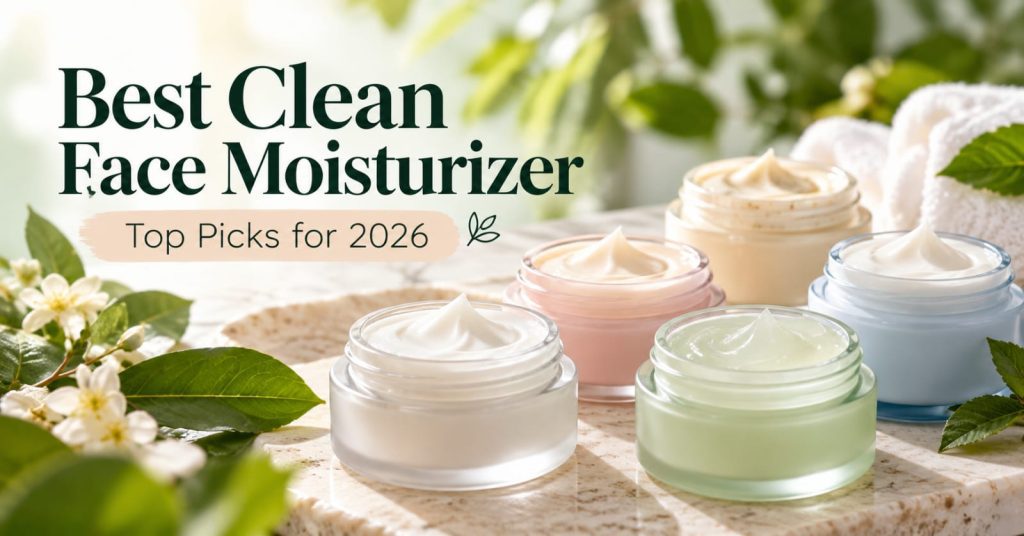
Shopping for the best clean face moisturizer can feel confusing fast — half the products on the shelf say “clean,” “natural,” or “nontoxic,” and none of those words actually mean the same thing. If you’ve ever stood in front of a wall of jars wondering which one is genuinely worth your money, you’re not alone. This guide breaks down what “clean” really means,
which ingredients actually matter for your skin type, and five specific moisturizers worth considering — organized by skin type and concern so you can find your match quickly instead of reading through fifty options.
By the end of this guide, you’ll know exactly what to check on any
moisturizer label, which formula fits your skin, and what you’re actually paying for.
Quick Answer: Our Top Picks at a Glance
Moisturizer | Best For | KeyIngredients | Fragrance-Free | Texture |
Vanicream Daily Facial Moisturizer | Best Overall / Sensitive Skin | Ceramides, Hyaluronic Acid,Glycerin | Yes | Lightweight lotion |
| AcureBrightening FacialMoisturizer | Best Budget | Vitamin C, Pumpkin, CoQ1 0 | No (botanical scent) | Gel-cream |
| 1 00% PUREMulti-Vitamin + Antioxidants Cream | Best for Mature Skin | Vitamins A, C, E, Shea Butter | No (fruit-derived scent) | Rich cream |
| Pacifica Coconut & Argan Daily DewMoisturizer | Best Lightweight/ Dry Skin | Coconut Water, Argan Oil, Aloe | No (light natural scent) | Fluid, fast-absorbing |
| Honest Beauty Hydrogel Cream | Best forOily/Combination Skin | Hyaluronic Acid, Chia Seed Oil | Fragrance-free option available | Gel |
(Check current prices before buying — product formulas, sizes, and prices can change, which is exactly why this guide doesn’t lock in old numbers.)
What Does “Clean” Actually Mean in Skincare?
Here’s something most product labels won’t tell you: there’s no single
legal or universal definition of “clean” skincare in the U.S. Different brands and retailers set their own standards, which means “clean” on one bottle doesn’t necessarily mean the same thing as “clean” on another.
Understanding the difference between these commonly used terms will help you shop smarter:
| Term | What It Generally Means | Universal Standard? |
Clean | A brand or retailer’s own ingredient philosophy | No — definitions vary widely |
Natural | Ingredients derived from nature (plant, mineral, etc.) | Not automatically safer or more effective |
Organic | Ingredients grown/certified under an organic standard | Depends on actual certification (USDA Organic, etc.) |
Nontoxic | A safety-oriented marketing term | No single regulatory definition in cosmetics |
| Fragrance-Free | No added fragrance per the product label | Always verify the current ingredient list |
The takeaway: don’t rely on front-of-bottle buzzwords alone. Check the actual ingredient list, the specific brand standard, and whether the formula fits your skin’s actual needs.
What a Moisturizer Actually Does for Your Skin
A moisturizer’s main job is to help your skin retain water and support its outer barrier. Ingredients generally fall into three functional categories:
Humectants (glycerin, hyaluronic acid, panthenol) — draw moisture into the skin
Emollients (squalane, plant oils, fatty acids) — smooth and soften the skin’s surface
Occlusives (shea butter, certain waxes) — help seal moisture in and reduce water loss
A well-formulated moisturizer usually combines ingredients from more than one of these categories, which is why ingredient lists matter more than marketing language.
How We Chose These Clean Face Moisturizers
For this guide, products were evaluated based on:
- Ingredient transparency and current formula information
- Fragrance and essential oil disclosure
- Skin-type suitability
- Texture and how the formula is positioned to perform
- Price and value
- Brand clean-beauty standard or certifications where applicable
“Clean” here is used as a consumer-facing category, not a safety guarantee — we encourage checking the current ingredient list on the actual product packaging before you buy, since formulas can be updated.
Best Ingredients to Look For
| Ingredient | Role | Good For |
| Glycerin | Humectant | Nearly all skin types |
| Hyaluronic Acid | Humectant | Dehydrated, normal, combination skin |
Ceramides | Barrier support | Dry, sensitive, compromised skin |
Squalane | Emollient | Dry to normal skin, lightweight hydration |
Niacinamide | Barrier + oil balance | Combination, oily, acne-prone skin |
| Shea Butter | Occlusive/emollient | Very dry skin |
| Vitamin E | Antioxidant | General antioxidant support |
Ingredients Some Shoppers Prefer to Avoid
This isn’t a universal “bad ingredient” list — tolerance is individual — but these are commonly flagged by people seeking cleaner formulas or who have reactive skin:
- Added synthetic fragrance (some people tolerate it fine; others don’t)
- Essential oils, if you have a known sensitivity
- Certain preservatives some shoppers prefer to avoid, depending on personal choice
- Heavy mineral oil or silicone-based occlusives for those preferring plant-derived alternatives
The 5 Best Clean Face Moisturizers
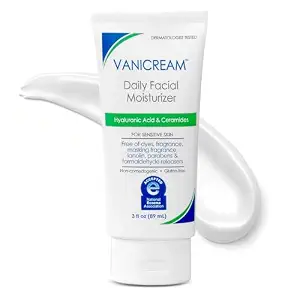
- Vanicream Daily Facial Moisturizer — Best Overall
Best for: Sensitive, dry, or reactive skin; anyone wanting a no-frills, dermatologist-positioned option
Key ingredients: Ceramides, hyaluronic acid, glycerin, squalane
Fragrance: Fragrance-free, dye-free
Vanicream has built its reputation around a short, simple ingredient list with no added fragrance, dyes, lanolin, or parabens. It carries the National Eczema Association Seal of Acceptance, which reflects its formulation approach for reactive skin. This is a solid starting point if you want hydration without extras to worry about.
Pros: Lightweight, non-comedogenic, widely recommended for sensitive and compromised skin
Potential drawbacks: Very simple formula — doesn’t include targeted anti-aging or brightening actives
Who should use it: Anyone with sensitive, dry, or easily irritated skin
looking for a dependable daily option
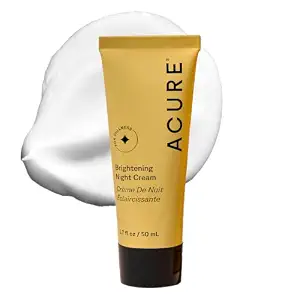
- Acure Brightening Facial Moisturizer — Best Budget
Best for: Dull, normal-to-combination skin on a budget
Key ingredients: Vitamin C, pumpkin, CoQ1 0
Fragrance: Contains a light botanical scent from plant ingredients — check current label if fragrance-sensitive
Acure is a widely available, vegan, cruelty-free brand that positions its moisturizers around plant-derived brightening ingredients at an
accessible price point. This gel-cream texture makes it a reasonable pick
for people who want a lighter daily moisturizer without the price tag of prestige clean-beauty brands.
Pros: Affordable, vegan, gel-cream texture suits normal-to-combination skin
Potential drawbacks: Not fragrance-free — worth checking if you have
reactive or very sensitive skin
Who should use it: Budget-conscious shoppers with normal-to-combination skin wanting a brightening boost
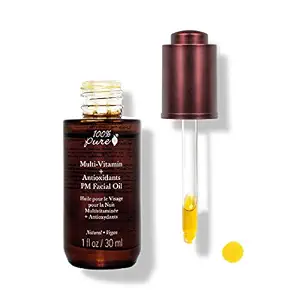
- 1 00% PURE Multi-Vitamin + Antioxidants Cream — Best for Mature Skin
Best for: Dry, mature skin seeking richer hydration
Key ingredients: Vitamins A, C, and E, shea butter, fruit pigments
Fragrance: Naturally scented from fruit-derived ingredients
1 00% PURE is known for formulating with plant and fruit pigments
instead of synthetic dyes. This cream leans richer, which tends to suit drier and more mature skin that needs more emollient and occlusive support.
Pros: Rich texture, antioxidant-focused formula, recognizable clean-beauty brand
Potential drawbacks: Richer formula may feel heavy on oily or acne-prone skin
Who should use it: Dry or mature skin that wants more substantial hydration and antioxidant support
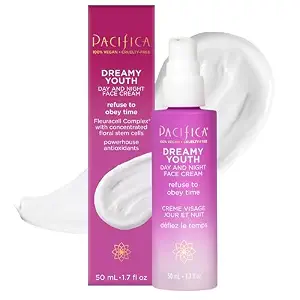
- Pacifica Coconut & Argan Daily Dew Moisturizer — Best Lightweight Pick
Best for: Normal-to-dry skin wanting a fast-absorbing, non-greasy formula
Key ingredients: Coconut water, argan oil, aloe vera
Fragrance: Light, naturally derived scent
Pacifica built its brand around vegan, cruelty-free, plant-based formulas, and this moisturizer is positioned as a lightweight daily hydrator rather than a heavy night cream. It’s a good middle-ground option for people who want hydration without a thick, occlusive feel.
Pros: Fast-absorbing, vegan, widely available, affordable
Potential drawbacks: May not provide enough richness for very dry or mature skin on its own
Who should use it: Normal-to-dry skin that prefers a lightweight daytime formula
- Honest Beauty Hydrogel Cream — Best for Oily/Combination Skin
Best for: Oily, combination, or acne-prone skin wanting hydration without heaviness
Key ingredients: Hyaluronic acid, chia seed oil
Fragrance: Fragrance-free option available — check the specific listing
Honest Beauty’s hydrogel texture is designed to feel cooling and
lightweight on application, which makes it a reasonable option for people who find cream-based moisturizers too heavy. The hyaluronic-acid-forward formula focuses on hydration rather than richness.
Pros: Gel texture, non-comedogenic positioning, refreshing on application
Potential drawbacks: May not provide enough richness for very dry skin in colder climates
Who should use it: Oily, combination, or acne-prone skin that still needs hydration
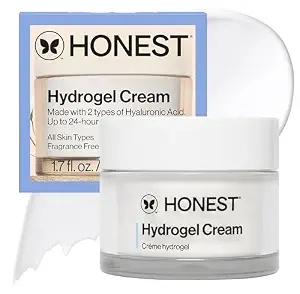
Image alt text: best clean face moisturizer for oily combination skin — Honest Beauty Hydrogel Cream
Image title: Honest Beauty Hydrogel Cream for oily and combination skin
Best Clean Moisturizer by Skin Type
Dry Skin: 1 00% PURE Multi-Vitamin + Antioxidants Cream or Vanicream Daily Facial Moisturizer
Oily/Combination Skin: Honest Beauty Hydrogel Cream
Sensitive Skin: Vanicream Daily Facial Moisturizer
Normal/Dull Skin: Acure Brightening Facial Moisturizer
Mature Skin: 1 00% PURE Multi-Vitamin + Antioxidants Cream
Looking for Lightweight Daily Hydration: Pacifica Coconut & Argan Daily Dew Moisturizer
Is a Clean Moisturizer Automatically Better for Sensitive Skin?
Not necessarily. A “clean” label doesn’t guarantee a formula is fragrance-free, low-irritant, or suitable for reactive skin. Some clean-beauty products still contain essential oils or botanical extracts that can trigger a reaction in sensitive skin. If your skin reacts easily, check the actual ingredient list for fragrance and essential oils rather than relying on the word “clean”
alone — and patch test before applying any new product to your full face.
Are “Chemical-Free” Moisturizers a Real Thing?
Not technically — everything, including water and plant extracts, is made of chemical compounds. A more useful question than “is this chemical-free?” is: which specific ingredients are in the formula, why are they there, and do they fit your skin and preferences? This reframing helps you make a more informed choice than chasing a marketing label.
Moisturizer vs. Serum vs. Face Oil
| Product | Main Role | When to Use It |
Serum | Delivers targeted, concentrated ingredients | Before moisturizer |
Moisturizer | Hydrates and supports the skin barrier | After serum |
Face Oil | Adds an emollient, sealing layer | Usually last, if needed |
How to Use a Clean Face Moisturizer in Your Routine
Morning: Cleanser → Serum → Moisturizer → Sunscreen
Evening: Cleanser → Treatment/Serum → Moisturizer
Apply moisturizer to slightly damp skin and give it a minute to absorb, especially before applying makeup or sunscreen on top.
Frequently Asked Questions
What is the best clean face moisturizer?
It depends on your skin type and priorities. Vanicream is a strong overall pick for sensitive or reactive skin, while richer formulas like 1 00% PURE suit drier, more mature skin.
What does “clean” mean in skincare?
“Clean” has no single legal definition — it’s a brand or retailer-defined category rather than a certified safety standard. Always check the actual ingredient list for specifics that matter to you.
Is clean skincare better for sensitive skin?
Not automatically. Some clean products still contain fragrance or essential oils that can irritate reactive skin. Check the formula directly rather than assuming “clean” equals “gentle.”
What’s the difference between natural and clean skincare?
“Natural” generally refers to ingredients derived from nature, while “clean” is a broader, brand-defined marketing category that can include both natural and synthetic ingredients, depending on the brand’s own standard.
Can I use a clean moisturizer every day?
Yes — daily moisturizer use is standard practice for most skin types, both morning and night, unless a dermatologist has advised otherwise for a specific condition.
Should moisturizer go before or after serum?
Moisturizer typically goes after serum, since serum is usually thinner and meant to absorb first, with moisturizer sealing it in.
Is fragrance-free the same as “clean”?
No. A product can be labeled clean and still contain fragrance, and a fragrance-free product isn’t automatically “clean” by every brand’s definition. These are two separate things to check independently.
Final Thoughts
The most useful way to shop for a clean face moisturizer isn’t to chase the word “clean” itself — it’s to understand your skin type, check the actual ingredient list, and match the formula to what your skin genuinely needs. Start with the pick that matches your skin type above, give it a few weeks of consistent use, and adjust from there based on how your skin responds.
This article contains affiliate links. If you purchase through our links, we may earn a commission at no additional cost to you. Prices, sizes, and formulas can change — always check the current listing on Amazon before purchasing.