As an Amazon Associate, I earn from qualifying purchases. This means if you click a link and make a purchase, I may earn a small commission at no extra cost to you.
The best lightweight leave in conditioner for fine hair can be frustratingly easy to overload. You want softness, detangling, less frizz, and heat protection, but one heavy layer can leave your hair flat, greasy, or coated. The best lightweight leave-in conditioner for fine hair is not simply the product with “lightweight” on the bottle. Your texture, density, porosity, damage level, and routine all matter.
I focused on sprays, mists, lightweight milks, quick-absorbing creams, and multitasking treatments that can condition without a heavy finish, while comparing format, use case, and value.
Quick Answer
Look for a leave in described as lightweight, weightless, or made for fine hair, and start with a very small amount. Fine straight hair usually needs the least product; wavy or curly hair may need more conditioning on the lengths.
10 Best Lightweight Leave In Conditioners for Fine Hair
Comparison at a Glance
| Product | Best for | Formula | Approx. price* | Heat protection |
| OUAI Leave In Conditioner | Best all-around | Lightweight spray | $32 | Yes |
| It’s a 10 Miracle Leave-In Lite | Fine or short hair | Lightweight spray | $22 | Yes |
| Virtue Strength & Shield | Fine hair needing protection | Lightweight leave-in | $38 | Yes |
| Odele Leave-In Detangling Tonic | Affordable detangling | Milky spray | $12 | Yes |
| UNITE 7SECONDS Detangler | Detangling + heat/UV | Lightweight spray | $42.50 | Yes |
| Eva NYC Mane Magic for Fine Hair | Budget + heat protection | Fine mist | $15 | Yes |
| Kristin Ess Weightless Shine | Budget everyday use | Spray | $12 | Yes |
| Crown Affair The Leave-In Conditioner | Dry ends + frizz | Lightweight cream | $48 | Yes |
| Living Proof PhD 5-in-1 | Volume + styling | Styling treatment | $36 | Yes |
| Joico HydraSplash Replenishing Leave-In | Fine hair needing moisture | Lightweight leave-in | $27.50 | Check label |
*Prices are approximate U.S. prices and can change. Amazon prices and availability can vary.
1. OUAI Leave In Conditioner — Best All-Around
OUAI’s Leave In Conditioner is a strong option when you want one product to cover several everyday needs: detangling, hydration, frizz control, and heat protection. It is a spray rather than a rich cream, which makes the format especially convenient for fine hair.
Why it stands out: It is a multitasking spray designed for fine, medium, and thick hair, so it works well for everyday styling and changing weather.
Best for: Fine straight or wavy hair that needs softness, easier brushing, and frizz control without a rich cream
Potential downside: It is fragranced, and fragrance preferences are personal. If you are sensitive to scented hair products, consider a fragrance-free alternative instead.
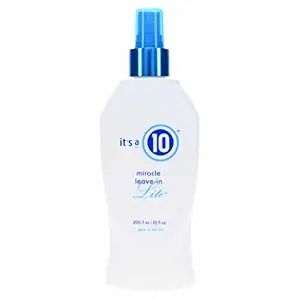
2. It’s a 10 Miracle Leave-In Lite — Best for Fine or Short Hair
Why it stands out: The Lite version is specifically positioned around fine or limp hair rather than simply adding a “lightweight” label to a richer formula
Best for: Fine, short, straight, or lightly wavy hair that needs daily detangling and softness.
Potential downside: If your hair is very dry, coarse at the ends, or highly textured, you may need a richer conditioner underneath or a more conditioning leave-in.
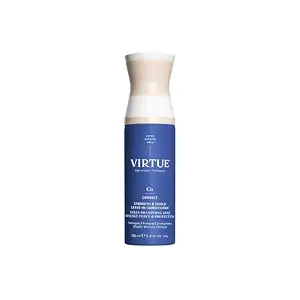
3. Virtue Strength & Shield Leave-In Conditioner — Best for Fragile Fine Hair
Virtue Strength & Shield is a best lightweight leave in conditioner for fine hair aimed at detangling, strengthening, elasticity, and protection from styling damage. It is a good fit for fine hair that is also color-treated, frequently heat-styled, or prone to breakage.
Why it stands out: It combines conditioning and damage protection, which can simplify a routine for fine hair that is frequently styled.
Best for: Fine hair that is fragile, frequently styled, or prone to tangling.
Potential downside: The price is higher than drugstore options, so it makes more sense if you will actually use its protective and conditioning benefits.
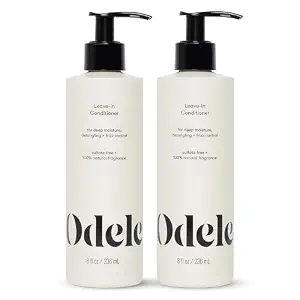
4. Odele Leave-In Detangling Tonic — Best Affordable Detangler
Odele’s Leave-In Detangling Tonic is a milky best lightweight leave in conditioner for fine hair designed for hydration, detangling, and heat and pollution protection. Its large 8-ounce format also makes it interesting for shoppers who want more product for their money
Why it stands out: The formula is built around amino acids and plant proteins, while the milky texture gives it more conditioning feel than a very dry mist.
Best for: Fine wavy hair, dry ends, and people who want a budget-friendly daily leave-in.
Potential downside: Because it is more conditioning than a very fine mist, start with a small amount if your hair gets oily or flat quickly.
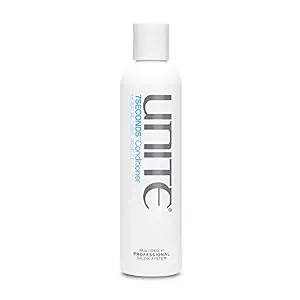
5. UNITE 7SECONDS Detangler — Best for Detangling + Heat Protection
UNITE 7SECONDS Detangler combines best lightweight leave in conditioner for fine hair conditioning with detangling and thermal/UV protection. The spray format makes it easy to distribute through damp lengths without concentrating a large amount of product in one spot.
Why it stands out: If knots and brushing are your main problems, a detangling leave-in can be more useful than a rich cream
Best for: Fine hair that tangles easily, especially if you regularly blow-dry or heat-style.
Potential downside: It is a premium-priced option. If you rarely detangle or heat-style, you may not need all of its functions.
6. Eva NYC Mane Magic 10-in-1 Primer for Fine Hair — Best Budget Multitasker
Eva NYC’s Fine Hair version is designed as best lightweight leave in conditioner for fine hair multitasking mist. The brand lists heat protection up to 450°F, frizz and static control, detangling, UV protection, softness, and moisture among its benefits.
Why it stands out: It combines leave-in conditioning and heat-styling prep in one affordable mist.
Best for: Fine hair that is blow-dried, heat-styled, frizzy, or prone to static.
Potential downside: Multitasking products can make it harder to know which benefit is doing the work. If your only priority is hydration, a simpler leave-in may be enough.
7. Kristin Ess Weightless Shine Leave-In Conditioner Spray — Best Budget Everyday Spray
Kristin Ess Weightless Shine Leave-In Conditioner Spray is a straightforward everyday option for detangling, softening, smoothing, and adding shine. Its spray format is particularly convenient when you need even coverage on fine strands.
Why it stands out: The spray format makes everyday application simple and easy to control on fine strands.
Best for: Fine hair that needs light conditioning, shine, and easier combing on a budget.
Potential downside: If your ends are severely dry or chemically damaged, you may need more targeted repair or a richer conditioning step.
8. Crown Affair The Leave-In Conditioner — Best for Dry Ends and Frizz
Crown Affair takes a different approach: best lightweight leave in conditioner for fine hair quick-absorbing cream rather than a watery spray. The formula is designed to hydrate damp hair, revive dry strands, reduce frizz, support detangling, and provide heat protection.
Why it stands out: A small amount can give dry ends more conditioning than a mist while letting you keep the roots lighter.
Best for: Fine hair with dry ends, frizz, or a need for more conditioning than a mist provides.
Potential downside: It is expensive, and using too much can defeat the purpose of choosing a lightweight product.
9. Living Proof Perfect Hair Day 5-in-1 Styling Treatment — Best for Volume + Styling
Living Proof’s Perfect Hair Day 5-in-1 Styling Treatment is not a traditional spray leave-in. It is a styling treatment designed to condition, strengthen, add volume and body, enhance shine, and protect against heat.
Why it stands out: It combines conditioning with volume and styling, which can reduce the need to layer several products.
Best for: Fine straight or wavy hair that needs smoothness, body, and heat protection.
Potential downside: It has more of a styling-treatment role than a basic leave-in conditioner, so it may not be the first choice if you only want lightweight detangling.
10. Joico HydraSplash Replenishing Leave-In — Best for Lightweight Moisture
Joico HydraSplash Replenishing Leave-In is specifically positioned for fine-to-medium hair and is designed to add moisture, smoothness, and shine while reducing frizz without weighing fine strands down.
Why it stands out: It sits between a very light detangling spray and a richer cream, making it useful for fine hair that needs extra moisture.
Best for: Fine hair that needs more moisture without a heavy finish.
Potential downside: Always check the current product label for heat-protection claims before relying on it as your only heat protectant
How to Choose the Right Lightweight Leave-In for Fine Hair
Start with your biggest problem, not the brand name. If your hair tangles easily, prioritize slip and detangling. If it becomes flat, look for a spray or mist and use less product. If the ends are dry, a lightweight milk or buildable cream may work better than an ultra-dry mist.
Also separate “fine” from “thin.” Fine describes the diameter of an individual strand; thin can describe the amount or density of hair. You can have fine hair with high density, or fine hair with low density. That difference affects how much leave-in you can comfortably use.
Spray vs. Milk vs. Cream: Which Is Best?
Sprays and mists are usually the easiest starting point for fine, straight hair because they can distribute a small amount of conditioning product across a large area.
Milky leave-ins sit in the middle. They can offer more slip and moisture than a very light mist while still feeling relatively fluid.
Creams can work for fine hair too, especially on dry ends or curly textures, but the application matters more. Use a small amount on the areas that actually need conditioning rather than coating the roots.
What Ingredients Should You Look For?
Panthenol, amino acids, conditioning agents, and lightweight moisturizing ingredients can be useful in a leave-in formula. Proteins can also help some damaged hair feel stronger, although more is not automatically better for every routine.
Do not choose a product solely because it contains one trendy ingredient. Hair products work as formulas, not isolated ingredients. A lightweight product with a balanced conditioning system may perform better for your hair than a heavier product with a longer “hero ingredient” list.
Silicones are another area where internet advice can become too simplistic. Some silicones help provide slip, smoothness, shine, and protection during styling. Whether a formula feels heavy depends on the whole formulation and how much you use, not simply on whether the word “silicone” appears on the ingredient list.
Fine + Low-Porosity Hair: What Changes?
If your fine hair is also low porosity, pay close attention to how quickly a product absorbs and whether your hair becomes coated or greasy. You may prefer a fine mist, spray, or very light milk over a rich cream.
Instead of chasing a “zero buildup” promise, use less product and reassess if your hair starts feeling coated, dull, or flat.
Fine Straight, Wavy, and Curly Hair Need Different Strategies
Fine straight hair usually benefits from the lightest application. Spray or mist the mid-lengths and ends, then comb through.
Fine wavy hair often needs a little more moisture and slip, but too much cream can stretch out the wave pattern. A lightweight milk or mist is a useful middle ground.
Fine curly hair can need more conditioning than fine straight hair because curlier textures may experience more dryness. Apply the product through the lengths where you need it rather than automatically using a large amount at the roots.
How Much Leave-In Conditioner Should You Use?
There is no universal “one pump” rule because products have different concentrations and spray patterns. The safest approach for fine hair is to start with less than you think you need.
For a spray, begin with a few light sprays through the mid-lengths and ends. For a cream, start around a pea-sized amount for short or fine hair and add more only if the ends still feel dry. If your hair looks flat after drying, reduce the amount next time.
How to Apply Leave-In Conditioner Without Weighing Hair Down
1. Shampoo and use your regular rinse-out conditioner as needed.
2. Gently squeeze excess water from your hair.
3. Apply the leave-in while the hair is damp.
4. Start at the mid-lengths and ends.
5. Comb or finger-detangle gently to distribute it.
6. Add a tiny amount only to areas that still feel dry or tangled.
7. Keep heavy layers away from the scalp unless the product specifically instructs otherwise.
8. If you heat-style, confirm that your leave-in provides the level of heat protection you need.
Common Mistakes That Make Fine Hair Look Flat
Using too much product is the most common mistake. A leave-in should make your hair easier to manage, not leave a noticeable coating.
Applying leave-in to the roots can also be unnecessary for many fine-haired people. The lengths and ends generally need more conditioning than the scalp area.
Another mistake is stacking several products that do the same job. A leave-in, hair milk, oil, smoothing cream, and heat protectant may all be useful individually, but layering all five can quickly become too much for fine strands.
Do not assume that “natural,” “clean,” or “silicone-free” automatically means lightweight; the finished formula matters more.
Leave-In Conditioner vs. Detangler vs. Curl Cream
A leave-in conditioner stays on the hair primarily to condition. A detangler emphasizes slip and easier combing, while a curl cream focuses more on definition and styling. A richer curl cream can be too much for some fine straight hair.
A heat protectant targets styling-related heat damage. Some leave-ins also provide it, but check the label rather than assuming every leave-in does.
Best Lightweight Leave-In Conditioner for Fine Hair: Final Take
The right leave-in for fine hair should solve a specific problem without creating another one. If your biggest concern is flatness, start with a spray or mist and use very little. If your ends are dry, look for a lightweight milk or buildable cream. If you heat-style often, prioritize a formula with clearly stated heat protection.
The most useful question is: “Which formula gives me enough conditioning without making me add more products later?”
That is why this list includes different formats and use cases instead of pretending one texture works for everyone.
For related hair-care reading, see our ZaisufBeauty hair-care guides.
Frequently Asked Questions
What is the best lightweight leave-in conditioner for fine hair?
There is no single formula that works best for every head of fine hair. Spray and mist formulas are a practical starting point for fine straight hair, while fine wavy or curly hair may prefer a lightweight milk or buildable cream.
Can leave-in conditioner make fine hair greasy?
Yes, especially if you use too much or apply a rich formula near the roots. Start with a small amount and focus on the mid-lengths and ends.
Is spray or cream leave-in better for fine hair?
Sprays are usually easier to control on fine straight hair. Creams can still work when fine hair has dry ends or needs more conditioning, but use a smaller amount.
Can I use leave-in conditioner every day?
Some leave-ins are designed for frequent use, but your hair does not automatically need daily application. Use enough to improve manageability without creating buildup.
What is the best leave-in for fine low-porosity hair?
Look for a lightweight, quick-absorbing spray or milk and start with a small amount. If your hair becomes coated or greasy, reduce the quantity or switch to a lighter formula.
Should I put leave-in conditioner on my roots?
Usually, fine hair benefits from keeping leave-in mainly on the lengths and ends. Applying conditioner to the scalp can contribute to buildup, and many fine-haired people do not need that extra conditioning at the roots.
Can leave-in conditioner protect fine hair from heat?
Some leave-ins do provide heat protection, but not all do. Look for a specific heat-protection claim on the product label before using it as your only thermal protectant.
What is the difference between fine hair and thin hair?
Fine hair refers to strand diameter. Thin hair can refer to lower density or less hair overall. Someone can have fine strands and still have a dense head of hair.
Final Note
Prices, formulas, and Amazon availability can change. Check the product page before purchasing.