This post may contain affiliate links. If you purchase through a link on this page, we may earn a small commission at no extra cost to you.
Walk down any hair care aisle in the US and you’ll see dozens of brands promising the same things: shinier hair, less frizz, more volume, or healthier-looking strands. Figuring out which of the best hair care brands in the USA deserves a place in your routine depends less on hype and more on matching a brand’s strengths to your specific hair type, budget, and goals.
This guide breaks down 15 well-established hair care brands available in the United States. Instead of treating one brand as the universal winner, we organize them by what they are commonly used for—affordable everyday care, salon-style formulas, curly and textured hair support, damage care, frizz control, fine hair, customization, and styling.
If you’re searching for a good hair brand, comparing popular hair brands, or simply trying to narrow down the best haircare brands for your own routine, use the category and hair-type sections below as a starting point.
Table of Contents
- Quick Answer
- How We Chose These Brands
- Comparison Table
- Best Hair Care Brands in the USA by Category
- How Do OGX, Herbal Essences, and Amika Compare?
- 10 Popular Hair Care Products to Consider on Amazon
- Common Ingredients to Know When Comparing Brands
- How to Choose the Right Hair Care Brand for You
- Quick Brand Match
- Frequently Asked Questions
- Final Takeaway
Quick Answer
There isn’t one single best hair care brand for everyone because the right choice depends heavily on your hair type, budget, and specific concerns. Drugstore brands such as OGX, Herbal Essences, TRESemmé, and Pantene offer accessible everyday options, while brands such as Redken and Kérastase focus more heavily on professional or premium positioning. Olaplex is known for bond-focused repair products, Moroccanoil for argan-oil-based smoothing and nourishment, Living Proof for targeted formulas, and Briogeo, Ouidad, and SheaMoisture for different curly, coily, textured, or moisture-focused needs.
The most useful way to choose among the best hair care brands is to start with your actual hair concern—such as dryness, frizz, damage, curls, scalp needs, or lack of volume—and then compare individual formulas rather than choosing a brand name alone.
How We Chose These Brands
Rather than ranking brands by popularity alone, we organized this list around the questions shoppers actually ask: which brands fit a particular hair type, budget, product need, or concern. Our selection considered:
- Product range and consistency across a brand’s lineup
- Availability in the United States, both online and in stores
- Reputation for specific hair concerns, such as curl care, damage repair, frizz control, or scalp care
- Price tier, from drugstore to premium and luxury
- Ingredient and formulation approach
- How clearly the brand’s products fit a particular hair type or routine
This is not a clinical or laboratory-tested ranking. It is an editorial comparison based on publicly available brand and product information, established product positioning, and commonly discussed hair-care use cases.
Comparison Table
| Brand | Best For | Price Tier | Hair Type Focus |
| OGX | Everyday drugstore variety | Budget | Most hair types |
| Herbal Essences | Affordable everyday care | Budget | Most hair types |
| TRESemmé | Salon-style results on a budget | Budget | Most hair types |
| Pantene | Drugstore damage care | Budget | Normal to damaged hair |
| Olaplex | Bond-focused repair | Mid-to-Luxury | Chemically/heat-damaged hair |
| Redken | Professional hair care | Premium | Most hair types |
| Kérastase | Luxury targeted care | Luxury | Most hair types |
| Moroccanoil | Shine and frizz control | Premium | Dry, frizzy, coarse |
| Living Proof | Fine, limp hair | Premium | Fine, thin, limp |
| Briogeo | Curly and textured care | Mid-Range | Curly, coily, textured |
| Ouidad | Curl definition | Premium | Curly hair |
| SheaMoisture | Moisture-focused textured hair care | Budget-Mid | Curly, coily, dry |
| Prose | Customized hair care | Premium | All hair types |
| Vegamour | Hair-growth support routines | Premium | Thinning/fine hair |
| Amika | Styling and treatment | Mid-Range | Most hair types |
Best Hair Care Brands in the USA by Category
Best Overall Drugstore Brand: OGX
Best for: Everyday hair care on a budget without sacrificing variety.
Strengths: OGX has a broad range of formulas aimed at concerns such as hydration, smoothing, shine, strengthening, and damage care. The variety makes it useful when you want to stay within a drugstore budget while still choosing a formula around a specific concern.
Potential drawbacks: Some formulas can feel rich for very fine or oily hair, so check the individual formula rather than assuming every OGX product will suit every hair type.
Hair types: Most hair types, with dedicated formulas for different concerns.
Price level: Budget-friendly and widely available at major US retailers.
Best Affordable Everyday Brand: Herbal Essences
Best for: Simple daily shampoo and conditioner options at an accessible price.
Strengths: Herbal Essences is widely known for botanical-focused formulas and recognizable ingredient stories. Its range gives shoppers plenty of everyday options without requiring a complicated routine.
Potential drawbacks: Individual formulas differ, so shoppers with very specific needs—such as bond repair or highly targeted curl treatment—may need a more specialized line.
Hair types: Most hair types, depending on the specific collection.
Price level: Budget-friendly.
Best for Salon-Style Results on a Budget: TRESemmé
Best for: Achieving a polished, smooth style without a salon-level price.
Strengths: TRESemmé offers a large range of shampoos, conditioners, masks, and styling products designed around concerns such as smoothing, volume, repair, and heat styling.
Potential drawbacks: Some formulas may feel too conditioning for very fine hair, and product buildup can depend on the formula and styling routine.
Hair types: Most hair types, with dedicated collections for specific concerns.
Price level: Budget-friendly.
Best for Damage Repair at the Drugstore: Pantene
Best for: Everyday care for hair affected by heat styling, dryness, or breakage.
Strengths: Pantene has a long-running presence in drugstore hair care and offers multiple lines aimed at strengthening, moisture, repair, and protection.
Potential drawbacks: Some richer formulas may feel heavy on very fine or oily hair.
Hair types: Normal to dry or damaged hair, depending on the product line.
Price level: Budget-friendly.
Best for Bond-Focused Repair: Olaplex
Best for: Chemically processed, bleached, or heavily heat-styled hair.
Strengths: Olaplex built much of its identity around bond-focused hair repair and offers products intended for damaged, processed hair.
Potential drawbacks: Premium pricing can make a full routine expensive, and bond-focused products are not necessarily the first thing every healthy, untreated hair type needs.
Hair types: Chemically treated, bleached, or heat-damaged hair.
Price level: Mid-to-luxury.
Best Professional Brand: Redken
Best for: Targeted salon-inspired care across many hair concerns.
Strengths: Redken offers extensive lines for moisture, damage, color-treated hair, curls, volume, and other specific needs. Its large range is useful when you want to choose a routine around a defined hair concern.
Potential drawbacks: The number of collections can feel overwhelming, and premium pricing is higher than many drugstore alternatives.
Hair types: Most hair types, depending on the collection.
Price level: Premium.
Best Luxury Brand: Kérastase
Best for: Premium hair care with highly targeted formulas.
Strengths: Kérastase offers specialized collections for concerns such as dryness, damage, color care, volume, and other hair needs. The brand is particularly suited to shoppers who want a more premium routine.
Potential drawbacks: Significantly more expensive than most drugstore options.
Hair types: Most hair types, depending on the collection.
Price level: Luxury.
Best for Shine and Frizz Control: Moroccanoil
Best for: Dry, frizzy, or coarse hair that benefits from smoothing and shine.
Strengths: Moroccanoil is strongly associated with argan-oil-based hair care and offers products for hydration, smoothing, styling, and treatment.
Potential drawbacks: Oil-rich or highly conditioning formulas may feel heavy on fine or oily hair when overused.
Hair types: Dry, frizzy, coarse, or dehydrated hair.
Price level: Premium.
Best for Fine, Limp Hair: Living Proof
Best for: Adding body and manageability without making fine hair feel overly coated.
Strengths: Living Proof offers targeted formulas for volume, frizz, repair, and everyday hair care, with a strong focus on lightweight performance.
Potential drawbacks: Premium pricing may not fit every budget, and the best choice depends on the individual collection.
Hair types: Fine, thin, or limp hair.
Price level: Premium.
Best for Curly and Textured Hair: Briogeo
Best for: Nourishing care for curly, coily, and textured hair.
Strengths: Briogeo offers formulas focused on moisture, scalp care, repair, and textured-hair needs, making it useful for shoppers who want a more targeted routine.
Potential drawbacks: Pricing is higher than many drugstore curl brands.
Hair types: Curly, coily, and textured hair.
Price level: Mid-range.
Best for Defined Curls: Ouidad
Best for: Enhancing curl pattern while managing frizz.
Strengths: Ouidad focuses specifically on curly-hair routines, with products designed around cleansing, conditioning, styling, definition, and frizz management.
Potential drawbacks: The range is primarily aimed at curly hair, so shoppers with straight hair may find the positioning less relevant.
Hair types: Curly and wavy hair.
Price level: Premium.
Best Moisture-Focused Brand for Textured Hair: SheaMoisture
Best for: Curly, coily, dry, and moisture-needing hair.
Strengths: SheaMoisture is well known for products built around ingredients such as shea butter and plant oils, with a broad range for curls, coils, dryness, and everyday conditioning.
Potential drawbacks: Some richer formulas can feel too heavy for very fine or straight hair.
Hair types: Curly, coily, textured, and dry hair.
Price level: Budget-to-mid-range.
Best Customized Hair Care: Prose
Best for: Shoppers who want a more personalized product routine.
Strengths: Prose uses an online consultation approach to recommend formulas based on individual hair characteristics and goals, rather than offering only one-size-fits-all routines.
Potential drawbacks: The price is higher than many drugstore options, and the usefulness of customization depends on how accurately your needs are described.
Hair types: All hair types, with customized recommendations.
Price level: Premium.
Best for Hair-Growth Support Routines: Vegamour
Best for: People building a routine around fuller-looking, healthier-looking hair.
Strengths: Vegamour focuses on scalp and hair-care products positioned around the appearance of fuller, healthier-looking hair.
Potential drawbacks: Premium pricing applies, and hair-growth-support products should not be treated as guaranteed treatments for medical hair loss.
Hair types: Fine or thinning-looking hair.
Price level: Premium.
Best for Trend-Forward Styling: Amika
Best for: Styling, treatments, and a more design-forward hair-care routine.
Strengths: Amika offers shampoos, conditioners, masks, styling products, and treatments with a strong emphasis on modern styling and hair texture.
Potential drawbacks: Mid-to-premium pricing can be higher than basic drugstore styling products.
Hair types: Most hair types, depending on the product.
Price level: Mid-range.
How Do OGX, Herbal Essences, and Amika Compare?
OGX, Herbal Essences, and Amika serve somewhat different shopping needs. OGX and Herbal Essences are generally positioned as more accessible everyday hair-care brands, while Amika sits in a higher price range and has a strong emphasis on styling, treatments, and salon-inspired products.
If you are searching for an OGX vs. Herbal Essences vs. Amika comparison, start with the individual formula rather than the brand name. Compare the product’s intended hair type, ingredients, cleansing strength, conditioning level, styling needs, and price. A formula that works well for dry, coarse hair may be too rich for fine hair, while a lightweight volume product may not provide enough conditioning for very dry curls.
The same principle applies when comparing popular hair brands more broadly: there is no single formula that is automatically the right choice for every hair type.
10 Popular Hair Care Products to Consider on Amazon
These are individual products that can help readers move from comparing brands to choosing a specific formula. Product availability and pricing can change, so check the Amazon listing before purchasing.
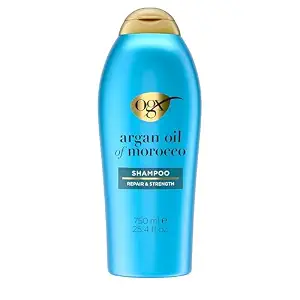
1. OGX Renewing + Argan Oil of Morocco Shampoo
Best for: Dry, damaged, or frizz-prone hair
An argan-oil-focused shampoo option for shoppers looking for a smoothing and moisturizing routine. It is a practical way to explore the OGX range when dryness or manageability is the main concern.
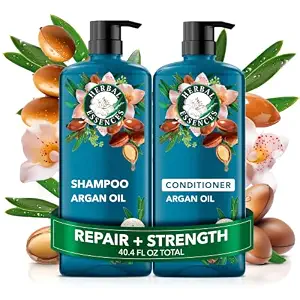
2. Herbal Essences Bio:Renew Argan Oil Shampoo
Best for: Affordable everyday hair care
A budget-friendly option for readers who want a recognizable everyday shampoo and prefer the Herbal Essences botanical-focused range.
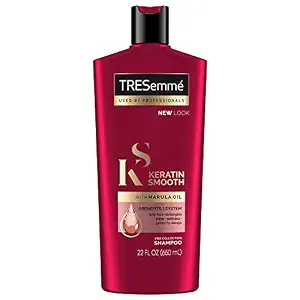
3. TRESemmé Keratin Smooth Shampoo
Best for: Frizz control and smoothing
A useful option for shoppers focused on smoother-looking hair and easier styling, especially when frizz and manageability are everyday concerns.
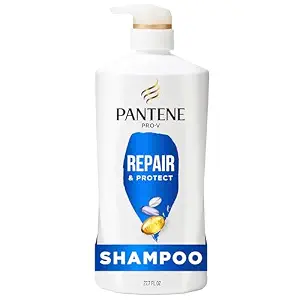
4. Pantene Repair & Protect Shampoo
Best for: Dry or damaged hair
A drugstore option for a repair-focused routine when hair has been exposed to regular heat styling, dryness, or environmental stress.
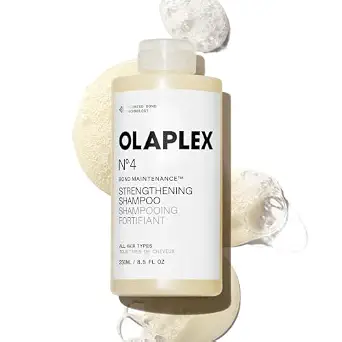
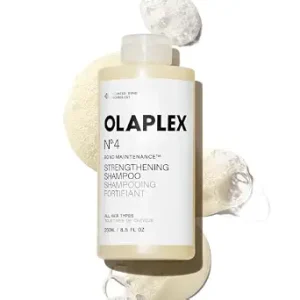
5. Olaplex No. 4 Bond Maintenance Shampoo
Best for: Chemically or heat-damaged hair
A bond-focused shampoo choice for readers whose routines involve bleaching, coloring, or frequent heat styling.
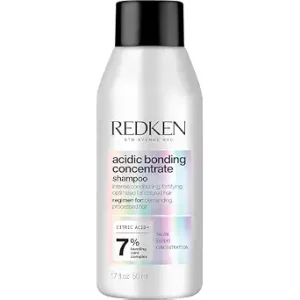
6. Redken All Soft Shampoo
Best for: Dry, brittle hair
A premium shampoo option for readers prioritizing softness and moisture, particularly when dry or brittle-feeling hair is the main concern.
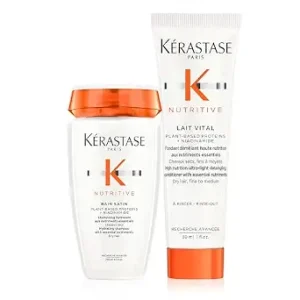
7. Kérastase Nutritive Bain Satin Shampoo
Best for: Dry hair and premium routines
A luxury-oriented option for readers who want a more targeted moisturizing routine and prefer Kérastase’s Nutritive collection.
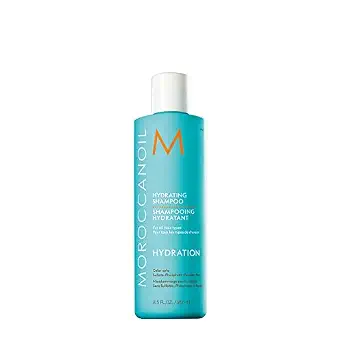
8. Moroccanoil Hydrating Shampoo
Best for: Dry and dehydrated hair
A premium moisturizing option associated with argan-oil-based hair care, suitable for readers who want hydration and a smoother-looking finish.
9. Living Proof Perfect Hair Day Shampoo
Best for: Everyday care for fine or normal hair
A premium everyday shampoo option from a brand known for targeted hair-care formulas and lightweight-feeling routines.
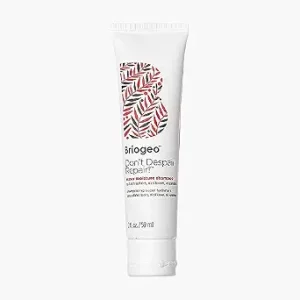
10. Briogeo Don’t Despair, Repair! Super Moisture Shampoo
Best for: Dry and damaged hair
A moisture-focused option for shoppers interested in Briogeo’s repair and hydration range, especially when dryness and damage are key concerns.
Common Ingredients to Know When Comparing Brands
Sulfates — Cleansing surfactants that can remove oil effectively. Some people with very dry, curly, or color-treated hair prefer milder cleansing systems.
Silicones — Conditioning ingredients that can improve slip, smoothness, and shine. Whether buildup is an issue depends on the specific silicone, routine, and cleansing system.
Bond-building technologies — Products in this category are marketed around strengthening or supporting damaged hair structure. Olaplex is one of the best-known examples.
Naturally derived oils — Argan, coconut, jojoba, and other oils are common in formulas designed around softness, shine, and conditioning.
Proteins — Hydrolyzed proteins can temporarily improve the feel and strength of damaged hair, although too much protein for a person’s hair can sometimes make it feel stiff or less flexible.
How to Choose the Right Hair Care Brand for You
Start with your primary concern rather than a brand’s reputation alone. If your hair is fine and easily weighed down, look for lightweight formulas and avoid automatically choosing the richest products. If your hair is curly or coily, prioritize products designed around moisture, curl definition, and frizz management. If your hair is bleached or frequently heat-styled, consider a routine that specifically addresses damage and conditioning.
Budget matters too. A premium hair care brand is not automatically a better match for your hair than a drugstore formula. Compare the actual product, ingredients, intended use, and hair-type fit before paying more.
If you live in the United States, availability can also matter. A great formula is less useful if it is difficult to repurchase. When comparing brands, check whether the products are consistently available through major US retailers, brand websites, or Amazon.
Quick Brand Match
Affordable everyday care: OGX, Herbal Essences, TRESemmé, Pantene
Damage and bond-focused care: Olaplex, Redken
Luxury targeted care: Kérastase
Dry or frizzy hair: Moroccanoil, OGX
Fine or limp hair: Living Proof
Curly, coily, or textured hair: Briogeo, Ouidad, SheaMoisture
Customized routines: Prose
Styling and treatments: Amika
Hair-growth-support routines: Vegamour
Frequently Asked Questions
What are the most popular hair care brands in America?
Commonly recognized US hair-care brands include names such as Pantene, TRESemmé, Herbal Essences, OGX, Dove, Head & Shoulders, Redken, and other drugstore and salon brands. Popularity varies by the metric used, time period, and audience, so popularity should not be treated as the same thing as suitability for a particular hair type.
What are the top 10 hair care brands?
There is no single objective top 10 because different lists use different criteria. A useful comparison should consider the brand’s product range, hair-type focus, price, availability, and the specific concern you are trying to address.
What is the best drugstore hair care brand?
OGX, Herbal Essences, TRESemmé, and Pantene are all widely available drugstore options, but the right choice depends on the formula and your hair concern.
Which shampoo brand is considered the best overall?
There is no universal best shampoo brand. A shampoo for oily roots, for example, has a different job from one designed for dry curls or chemically damaged hair. Choose the formula according to your hair and scalp needs.
Are there hair care products made in the USA?
Yes, some hair-care companies are based or headquartered in the United States, but manufacturing can vary by individual product and production facility. Check the packaging or the manufacturer’s current product information for the exact country of manufacture.
What is the best hair care brand for curly hair?
Briogeo, Ouidad, and SheaMoisture all offer products aimed at curly, coily, or textured hair. Compare the individual formula for moisture, cleansing strength, curl definition, and styling needs.
Is a more expensive hair care brand always better?
No. Higher pricing can reflect formulation, packaging, positioning, distribution, or specialized product development. A less expensive formula can be a better match if it fits your hair type and concern.
Where can I buy hair care products in the USA?
Many popular brands are sold through major US drugstores, supermarkets, beauty retailers, department stores, brand websites, and Amazon. Availability varies by brand and product, so check the retailer before purchasing.
Final Takeaway
Finding the best hair care brands in the USA is less about choosing one universal winner and more about matching the right brand and formula to your hair. OGX, Herbal Essences, TRESemmé, and Pantene can suit shoppers looking for accessible everyday options, while Olaplex, Redken, Kérastase, Moroccanoil, Living Proof, Briogeo, Ouidad, SheaMoisture, Prose, Vegamour, and Amika cover more specialized or premium needs.
Before buying, identify your hair type and your biggest concern—such as dryness, frizz, damage, curls, volume, scalp care, or styling—then compare the individual product rather than relying on the brand name alone.
For another step in building a complete hair-care routine, see our guide to the best hair oil for hair growth.
Disclaimer: Brand and product information is based on publicly available information and general product positioning rather than in-person laboratory testing. Individual results can vary based on hair type, texture, scalp condition, routine, and other factors.