This post may contain affiliate links. If you purchase through a link on this page, we may earn a small commission at no extra cost to you.
Walk into any professional supply store or scroll through a salon brand’s website and you’ll run into dozens of salon hair care products — shampoos, masks, bond treatments, glazes, scalp serums — often priced well above drugstore alternatives with little explanation of why. The honest answer is that “salon quality” isn’t one thing, and higher price doesn’t automatically mean a product is right for your hair.
This guide breaks salon hair care down into its actual functional categories, explains what each one does, and walks through how to figure out what your specific hair needs rather than buying based on brand name alone. By the end, you’ll be able to look at any professional product and know exactly what job it’s supposed to do — and whether you actually need it.
Quick answer: The best salon hair care products are not simply the most expensive or the most heavily marketed. A useful routine matches the product to your hair type, scalp, damage level, color treatment, styling habits, and the specific result you want. For most people, that means a good shampoo and conditioner first, then targeted products such as a bond treatment, leave-in, heat protectant, or smoothing product when there is a clear reason to use one.
What Are Salon Hair Care Products?
Salon hair care products are professional or salon-positioned products used to cleanse, condition, treat, protect, or style hair. The category is much broader than shampoo and conditioner. It includes professional cleansing systems, deep conditioners, masks, bond-repair treatments, scalp products, leave-ins, heat protectants, oils, serums, and styling products.
There is also an important difference between products used during a salon service and professional products sold for home maintenance. A product designed for a professional chemical or smoothing service may require controlled application, while a professional take-home shampoo or conditioner is normally intended for everyday consumers.
That distinction is one of the biggest gaps in generic salon-product lists. Instead of treating every professional product as interchangeable, this guide explains what each category actually does and where it fits in a realistic U.S. hair-care routine.
Salon Hair Care Products at a Glance
| Category | Main job | Best for | How often? |
| Shampoo | Cleanse scalp and hair | Everyone | As needed |
| Conditioner | Soften and detangle | Most hair types | Most washes |
| Mask | Deeper conditioning | Dry or stressed hair | Weekly or as directed |
| Bond treatment | Target damaged hair | Bleached, colored, heat-styled hair | As directed |
| Scalp treatment | Address scalp-specific needs | Dry, oily, flaky or buildup-prone scalp | Product dependent |
| Leave-in | Condition, detangle, prep | Dry, textured or tangled hair | As needed |
| Heat protectant | Reduce heat-styling stress | Blowouts and hot tools | Before heat |
| Styling product | Shape, define or hold | Style-dependent | When styling |
What Makes a Product ‘Salon Quality’?
“Salon quality” is not a universal scientific grade. In practice, the phrase can refer to professional brands, salon distribution, stylist use, specialized formulas, or products designed to maintain the results of salon services.
Some professional products are highly targeted, but that does not mean every professional formula is automatically better for every head of hair. A lightweight professional conditioner can be a poor match for very dry, coarse hair, while a richer formula can overwhelm fine strands.
When comparing products, look past the word professional and ask four questions: What problem does this solve? Who is it designed for? How often should it be used? And does it fit the rest of my routine? Those questions are more useful than choosing by price alone.
Salon-Only vs. Professional Products for Home Use
Salon-only products are generally tied to professional services, such as certain color, lightening, straightening, smoothing, or intensive treatment systems. These are not the same thing as a professional shampoo you can buy for your bathroom.
Professional take-home products are designed to maintain, condition, protect, or style hair between appointments. This is where most consumers should focus when shopping for salon hair care products online.
- Salon-service products: may require professional application or processing.
- Professional take-home products: designed for consumer maintenance.
- Retail hair care: may be mass-market, premium, or professional-positioned.
- The label alone does not tell you whether a product is the right match for your hair.
10 Salon Hair Care Products Worth Considering
The products below are selected to cover different jobs rather than giving you ten versions of the same shampoo. That makes the list more useful for real shopping: there is a damage-repair option, a moisture option, a leave-in, an anti-humidity product, a heat protectant, a hard-water/mineral-buildup option, and more.
Amazon pricing changes with size, seller, promotions, and availability. Use the live Amazon button under each product to check the current U.S. price before purchasing.
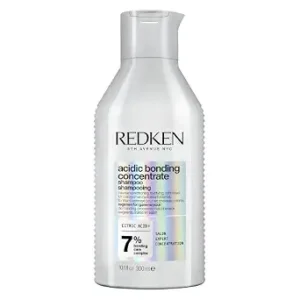
1. Redken Acidic Bonding Concentrate Shampoo
Best for: Damaged or chemically treated hairhttps://www.amazon.com/dp/B08P66Q9TK
A strong starting point when your main issue is damage rather than simple dryness. Redken positions this sulfate-free shampoo around bonding care and strength repair. It also makes sense for shoppers who want a professional shampoo that can fit into a repair-focused routine.
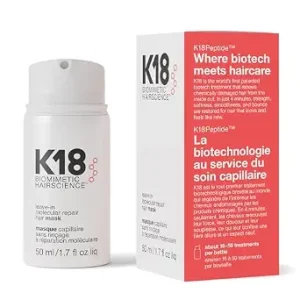
2. K18 Leave-In Molecular Repair Hair Mask
Best for: Bleached, colored, chemically treated, or heat-stressed hairhttps://www.amazon.com/dp/B0961ZS96M
This is a leave-in treatment rather than a traditional rinse-out mask. K18 markets it as a molecular repair treatment for damage from bleach, color, chemical services, and heat. It is best treated as a targeted treatment, not something you need simply because your hair is dry.
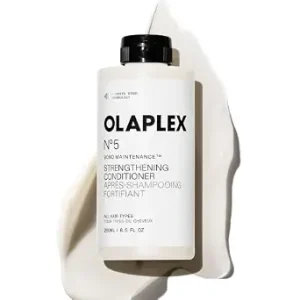
3. Olaplex No. 5 Bond Maintenance Conditioner
Best for: Conditioning and bond-focused maintenancehttps://www.amazon.com/s?k=Olaplex+No.+5+Bond+Maintenance+Conditioner
Olaplex No. 5 is a familiar professional-style conditioner for shoppers who want softness and conditioning as part of a bond-care routine. It is a better fit for the conditioner step than trying to replace your shampoo with a treatment product.
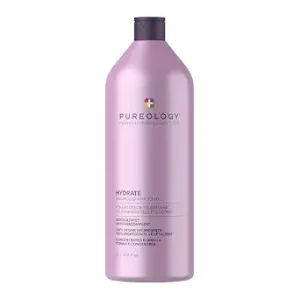
4. Pureology Hydrate Shampoo
Best for: Dry, damaged, or color-treated hairhttps://www.amazon.com/dp/B088ZZYMK2
Pureology’s Hydrate line is built around moisture for dry and color-treated hair. It is a useful example of why “professional hair care” should be segmented by need: a moisture-focused shampoo serves a different job from a clarifying or bond-focused cleanser.
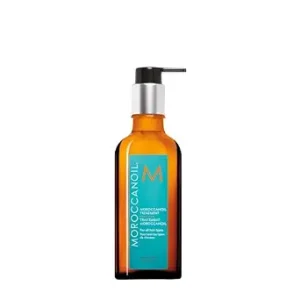
5. Moroccanoil Treatment Original
Best for: Dry ends, shine, smoothing, and finishinghttps://www.amazon.com/dp/B001AO0WCG
This classic oil treatment works in a different part of the routine from shampoo or conditioner. Use a small amount through the lengths and ends when you want softness, shine, and a smoother-looking finish. Fine hair may need only a tiny amount.
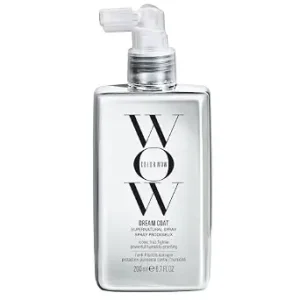
6. COLOR WOW Dream Coat Supernatural Spray
Best for: Frizz and humidity
Dream Coat is designed around humidity control and a smooth, glossy finish. It is especially relevant for people whose hair looks polished indoors but expands or frizzes when humidity rises. Follow the brand’s directions and use enough product for even coverage.
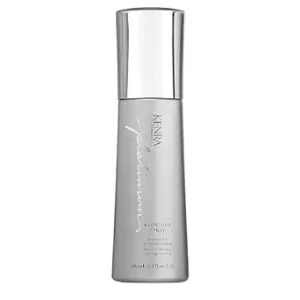
7. Kenra Platinum Blow-Dry Spray
Best for: Blowouts and heat styling
A heat-protection product deserves its own place in a salon-style routine. Kenra’s Platinum Blow-Dry Spray is designed for blow-drying and smoothing, making it a practical choice for people who regularly use a dryer rather than relying on a finishing oil alone.
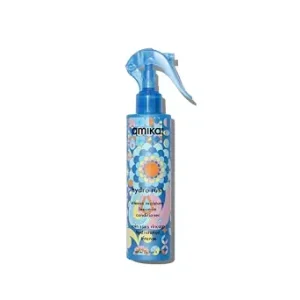
8. amika Hydro Rush Intense Moisture Leave-In Conditioner
Best for: Dry, frizzy, or easily tangled hair
This is the leave-in step: useful when you need extra conditioning without adding another rinse-out product. The formula is positioned around hydration, detangling, and frizz reduction, so it can be especially practical for dry lengths.
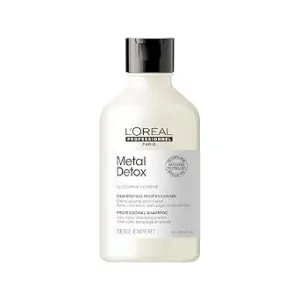
9. L’Oréal Professionnel Metal Detox Shampoo
Best for: Mineral or metal buildup concerns
This is a more specialized shampoo choice for people concerned about metal buildup associated with water and hair processes. It is not the first shampoo everyone needs, which is exactly why it belongs in a targeted section rather than being presented as a universal daily cleanser.
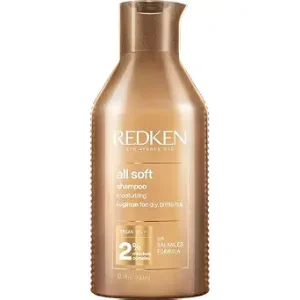
10. Redken All Soft Shampoo
Best for: Dry, brittle, or coarse-feeling hair
All Soft is a straightforward example of a professional shampoo aimed at softness and moisture rather than intensive bond repair. It is a useful option for shoppers whose biggest complaint is rough, dry-feeling hair.
How to Choose Salon Hair Care Products by Hair Concern
The fastest way to narrow down professional hair care is to identify the problem before choosing the product. A person with an oily scalp and dry ends needs a different routine from someone with bleached, fragile hair, even if both people describe their hair as “damaged.”
| Concern | Start with | Avoid the common mistake |
| Dry hair | Moisturizing shampoo, conditioner, mask, leave-in | Using multiple heavy oils instead of conditioning |
| Chemical/heat damage | Bond treatment, gentle cleanser, conditioner, heat protectant | Treating every wash as a repair treatment |
| Frizz | Conditioner, leave-in, smoothing serum or humidity product | Adding oil without addressing humidity or styling |
| Buildup | Clarifying or specialized detox/chelating care | Clarifying too frequently |
| Fine hair | Lightweight conditioner, volumizing product, mousse | Layering heavy masks, oils, and creams |
| Curly/coily hair | Moisturizing cleanser, conditioner, leave-in, definition | Brushing aggressively when dry |
| Color-treated hair | Color-focused cleanser and conditioner | Assuming every “repair” product is color-care |
| Oily scalp | Scalp-focused cleansing routine | Putting rich oils or masks directly on the scalp without a reason |
How to Choose by Hair Type
Hair type is helpful, but it should not be the only filter. Fine hair can be curly. Thick hair can be oily at the scalp. Color-treated hair can also be low-density or highly textured. Think of hair type as one part of the decision, not a complete diagnosis.
- Fine or easily weighed-down hair: favor lighter conditioners, leave-ins, and styling products.
- Thick or coarse hair: richer conditioners, masks, and smoothing products may be more comfortable.
- Curly or coily hair: prioritize conditioning, gentle detangling, and definition.
- Straight hair: choose based on oiliness, dryness, damage, color, and desired volume.
- Color-treated hair: prioritize products specifically designed to support color-treated hair when that is your main concern.
What Products Do You Actually Need?
You do not need a shelf full of salon products to create a professional-looking routine. Start with the smallest useful system.
- Shampoo: choose it around your scalp and cleansing needs.
- Conditioner: choose it around your lengths and detangling needs.
- Heat protectant: add this if you regularly blow-dry, straighten, or curl.
- One targeted treatment: add a bond, moisture, or other treatment if you have a specific need.
- One styling product: choose mousse, curl cream, gel, serum, or spray based on the look you want.
This approach is also easier on your budget. Instead of buying an entire line because it is marketed as professional, build your routine one problem at a time.
How to Use Salon Hair Care Products in the Right Order
A simple wash-day sequence is: cleanse the scalp, condition the lengths, apply any leave-in treatment, then protect and style. The exact order can change with the product directions, especially for specialized treatments.
- Shampoo — focus on the scalp rather than aggressively rubbing the lengths.
- Conditioner or mask — concentrate on the areas that need conditioning.
- Leave-in — apply as directed, usually through damp lengths.
- Heat protectant — use before heat styling when the product is designed for that purpose.
- Styling product — mousse, cream, gel, spray, or another styling aid.
- Finishing oil or serum — use a small amount if you need shine or smoothing.
What Dermatologists Say About Hair Care
The American Academy of Dermatology recommends choosing products for your hair type, applying shampoo primarily to the scalp, conditioning after washing, handling wet hair gently, and limiting excessive heat. Those basics matter even when you use premium professional products.
See the American Academy of Dermatology’s healthy hair guidance for the full dermatologist-reviewed routine.
This is also why a product list should not promise that one professional formula can “fix” every hair problem. Hair damage, scalp conditions, and hair loss can have different causes, and persistent scalp symptoms or significant hair loss are reasons to speak with a qualified medical professional.
Professional vs. Drugstore Hair Care: Does Salon Mean Better?
Not automatically. Professional brands often provide more specialized ranges, salon-service systems, and targeted products, but a drugstore product can still be a perfectly reasonable choice for a simple cleansing or conditioning need.
The more useful comparison is product-to-problem fit. If a $30 professional conditioner leaves fine hair flat, it is not a better choice than a lighter $10 conditioner that gives the desired result. Likewise, someone with significant chemical damage may have a legitimate reason to spend more on a targeted treatment.
Common Buying Mistakes
- Buying an entire professional line before identifying the actual hair concern.
- Assuming a higher price means a better match.
- Using a heavy mask, oil, serum, and leave-in together on fine hair.
- Assuming a smoothing product is automatically a heat protectant.
- Using clarifying products so often that the hair feels dry or rough.
- Treating every type of damage with the same treatment.
- Ignoring the scalp while focusing only on the lengths.
- Expecting shampoo alone to solve breakage, severe scalp symptoms, or hair loss.
Frequently Asked Questions
What are the best salon hair care products?
The right products depend on the job. For example, Redken Acidic Bonding Concentrate targets damaged hair, Pureology Hydrate targets dry or color-treated hair, Color Wow Dream Coat targets humidity-related frizz, and Kenra Platinum Blow-Dry Spray fits a heat-styling routine.
Are salon hair care products better than drugstore products?
Not automatically. Professional products may offer more specialized formulas or salon-service systems, but the best choice is the product that matches your hair type, concern, and routine.
What salon hair products should beginners buy?
Start with shampoo and conditioner. Add a heat protectant if you use hot tools, then add one targeted treatment or leave-in only if you have a clear reason to use it.
What is the difference between salon-only and professional take-home products?
Salon-only products may be designed for professional services or controlled application. Professional take-home products are made for consumers to maintain or style their hair at home.
Which salon products are best for damaged hair?
Look for a targeted repair routine that may include a gentle cleanser, conditioner, bond-focused treatment, and heat protection. K18 and Redken Acidic Bonding Concentrate are examples of products positioned around damaged hair.
What are good salon hair products for dry hair?
Start with a moisturizing shampoo and conditioner. A leave-in or mask can be added when your lengths still feel dry. Pureology Hydrate and Redken All Soft are examples of moisture-focused professional products.
How often should I use clarifying shampoo?
There is no single schedule that works for everyone. Use the product according to its directions and your buildup level. If your hair repeatedly feels stripped or rough, reassess frequency and formula.
Can I use salon hair products at home?
Yes, many professional retail products are designed specifically for home maintenance. However, products intended for chemical or professional salon services may require professional application.
Do I need a hair oil if I already use conditioner?
No. Oil is optional. It can add shine, softness, and a smoother finish, but it does not replace cleansing or conditioning.
Can salon products fix hair damage permanently?
Hair products can improve the appearance, manageability, and feel of damaged hair and can help reduce additional stress when used appropriately. Severely damaged hair may still need a haircut, a change in chemical services, or professional advice.
Final Verdict: Build a Routine, Not a Product Collection
The biggest lesson from the professional hair-care market is simple: there is no single “best” salon product for everyone. Professional lines are divided into categories for a reason. Cleansing, conditioning, repair, scalp care, protection, and styling solve different problems.
For most U.S. shoppers, the smartest starting point is a basic shampoo-and-conditioner routine, followed by one targeted addition. Choose a bond treatment for genuine damage, a leave-in for extra conditioning and detangling, a heat protectant for hot styling, or a smoothing product when humidity and frizz are the real problem.
That is how you get the useful part of salon-quality hair care without turning your bathroom into a salon supply closet.