This post contains affiliate links. If you buy through a link, we may earn a commission at no extra cost to you. As an Amazon Associate, we may earn from qualifying purchases.
Finding the best skin cream for wrinkles is not as simple as choosing the most expensive jar or the product with the boldest promise. Some formulas mainly hydrate and temporarily soften the look of fine lines; others contain ingredients such as retinol that may improve the appearance of uneven texture with consistent use. The right choice depends on your skin type, tolerance, routine, and budget.
For this guide, we compared five widely available US products across different needs: a balanced retinol night cream, a drugstore retinol option, a retinol formula paired with hydration, a barrier-supporting moisturizer, and a higher-strength retinol treatment for experienced users. This is a research-based comparison of published product information and retailer listings—not a claim that we personally tested every formula.
Quick Answer
Olay Regenerist Retinol 24 Night Moisturizer is a practical starting point for shoppers looking for a retinol-based night cream with moisturizing ingredients. RoC Retinol Correxion Deep Wrinkle Rich Cream is worth comparing if you want a drugstore retinol option. Neutrogena Rapid Wrinkle Repair Regenerating Cream pairs retinol with hyaluronic acid, while CeraVe Skin Renewing Night Cream focuses on hydration and barrier support rather than acting as a retinol treatment. Paula’s Choice CLINICAL 1% Retinol Treatment is a more intensive option best approached cautiously by users already familiar with retinol.
No over-the-counter cream can guarantee that deep wrinkles will disappear. Moisturizers can temporarily plump the skin so fine lines look less noticeable, while results from active ingredients depend on formulation, consistency, and individual response.
Comparison Table
| Product | Best for | Main approach | Price seen during research | Important note |
| Olay Regenerist Retinol 24 Night Moisturizer | Balanced night routine | Retinol plus moisturizing ingredients | About $30 | Introduce retinol gradually |
| RoC Retinol Correxion Deep Wrinkle Rich Cream | Drugstore retinol option | Retinol-focused rich cream | About $38 | May irritate sensitive skin |
| Neutrogena Rapid Wrinkle Repair Regenerating Cream | Retinol plus hydration | Retinol and hyaluronic acid | About $41 | Verify exact product version |
| CeraVe Skin Renewing Night Cream | Moisture and barrier support | Peptides, hyaluronic acid, ceramides | About $22 | Not a retinol substitute for every goal |
| Paula’s Choice CLINICAL 1% Retinol Treatment | Experienced retinol users | Higher-strength retinol treatment | About $49–$65 | Not a beginner’s first retinol |
Prices are examples from retailer listings reviewed during research, not guaranteed current prices. Confirm the exact product, size, seller, and price before publishing.
How We Chose the Best Skin Creams for Wrinkles
We compared each product’s stated purpose, publicly listed ingredients, intended use, available US retailer information, and how it fits a distinct reader need. We favored a mix of retinol-based products and a non-retinol moisturizer so the list does not imply that one active ingredient suits everyone.
We did not conduct hands-on testing for this article. Product descriptions and retailer prices can change, and a brand’s performance claim is not the same as independent proof. Before publishing, verify each product’s current packaging, full ingredient list, size, directions, and price on the manufacturer or retailer page. The categories below are editorial recommendations based on the information reviewed, not medical rankings.
Our criteria were ingredient relevance, skin-type considerations, ease of fitting the product into a routine, price and size, and meaningful drawbacks. We also considered safety information from authoritative sources. Mayo Clinic notes that over-the-counter wrinkle creams generally produce modest results, and effectiveness depends on the ingredients and how consistently a product is used:
The 5 Best Skin Creams for Wrinkles
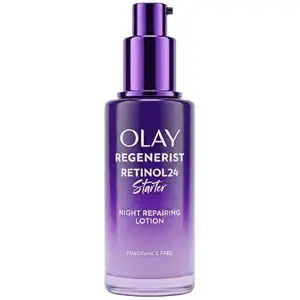
1. Olay Regenerist Retinol 24 Night Moisturizer: Best Overall Starting Point
Overview: This is an accessible night moisturizer to consider if you want to try a retinol-based formula without moving straight to a specialized high-strength treatment. Retail listings describe the formula as combining retinol with moisturizing and peptide ingredients; check the current package because formulas and naming can change.
Key features: Nighttime use, a retinol-focused formula, moisturizing ingredients, and a 1.7-ounce listing seen at Walmart. The listed price was around $30 during research, but it may change by seller, size, and promotion.
Pros
- A familiar drugstore option with broad retail availability.
- Combines an active ingredient with moisturizing support.
- A useful price point for comparing against premium creams.
Cons
- Retinol may cause dryness, redness, peeling, or stinging, especially at first.
- Jar and product naming can vary between versions, so verify the exact listing.
- Retinol should not be used during pregnancy; ask a clinician about retinoid use if pregnant or trying to conceive.
Best for: Shoppers who want a mainstream retinol night moisturizer and are prepared to introduce it gradually
Skip if: Your skin is currently irritated, you have not tolerated retinoids before and want the gentlest possible routine, or you need a product specifically recommended by your clinician.
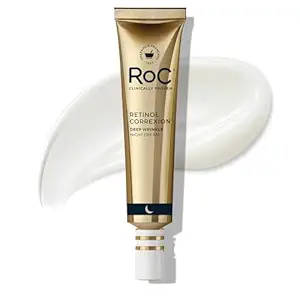
2. RoC Retinol Correxion Deep Wrinkle Rich Cream: Best Drugstore Retinol Pick
Overview: RoC’s Deep Wrinkle Rich Cream is a retinol-focused option marketed for the look of wrinkles and firmness, with a richer texture aimed at users who prefer a cream rather than a lightweight serum. It is a candidate for comparison if you want to start with a widely sold drugstore brand.
Key features: Retail product information lists a 1.7-ounce size and a formula built around retinol; the specific rich-cream version may also list bio-ceramides and calcium. Check the current package to confirm the formula and directions.
Pros
- A targeted wrinkle-care product from a widely available brand.
- Rich cream format may suit people who dislike lightweight gels.
- Often less expensive than luxury anti-aging creams.
Cons
- Retinol can irritate dry or sensitive skin.
- A richer texture may feel heavy for some oily or acne-prone users.
- Results are not guaranteed and depend on regular use and tolerance.
Best for: Adults who want to compare a drugstore retinol cream for visible fine lines and a dry-skin routine
Skip if: You avoid retinoids, are pregnant, or have a damaged skin barrier and need to calm irritation first.
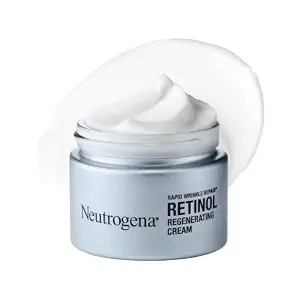
3. Neutrogena Rapid Wrinkle Repair Regenerating Cream: Best for Retinol Plus Hydration
Overview: Neutrogena’s Rapid Wrinkle Repair Regenerating Cream is a recognizable option for people who want a retinol-based face cream with a hydrating ingredient. Retail listings describe retinol and hyaluronic acid in the formula. Confirm the exact version because the Rapid Wrinkle Repair range includes multiple products and sizes.
Key features: The 1.7-ounce Ulta listing was around $41 during research. Price and availability can vary, and “Regenerating Cream” should be matched to the exact product page rather than another product in the same line.
Pros
- Pairs retinol with hyaluronic acid, a humectant that attracts water.
- Easy to compare with other drugstore retinol moisturizers.
- Available through major US retailers.
Cons
- Retinol can still cause irritation even when a product also contains hydrators.
- The product line includes several similar names, which can make selecting the exact version confusing.
- Brand timelines or marketing claims are not guaranteed individual results.
Best for: Shoppers who want a familiar retinol cream and value hydration as part of their routine
Skip if: You need a retinol-free formula or have persistent redness, eczema, or another skin concern that needs clinician guidance first.
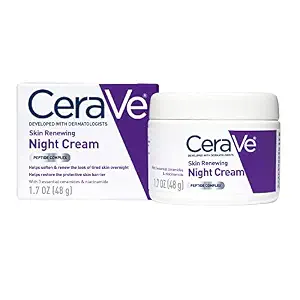
4. CeraVe Skin Renewing Night Cream: Best for Moisture and Barrier Support
Overview: CeraVe Skin Renewing Night Cream is the non-retinol-focused option in this comparison. Retailer information lists peptides, hyaluronic acid, and three essential ceramides. These ingredients support a moisturizing routine and skin-barrier care, which can make dry fine lines appear less noticeable through hydration.
Key features: The 1.7-ounce Ulta listing was around $22 during research. It is best described as a hydrating night cream with barrier-supporting ingredients, not as a direct equivalent to a retinol treatment.
Pros
- Ceramides help support the skin barrier.
- Hyaluronic acid helps attract water to the skin.
- A useful option for readers who prefer to focus on moisture rather than starting a retinoid.
Cons
- Hydration can soften the appearance of fine lines but does not erase deep wrinkles.
- It may not deliver the same active-ingredient approach as a retinol product.
- Individual sensitivity is possible with any formula; check the complete ingredient list.
Best for: People looking for a moisturizing night cream, especially if dryness makes fine lines more noticeable
Skip if: You specifically want a retinol treatment and understand how to introduce it safely; this product serves a different role.
5. Paula’s Choice CLINICAL 1% Retinol Treatment: Best for Experienced Retinol Users
Overview: This concentrated retinol treatment is a more advanced option than a basic moisturizing cream. The retailer listing describes 1% retinol alongside skin-supportive ingredients such as peptides and vitamin C. Because this is a high-strength retinol product, it should not be the default recommendation for someone who has never used retinol.
Key features: The Sephora listing was $65, with a sale price around $49 during research. Prices, sizes, and promotions change. Read the current product instructions and use the lowest practical frequency based on tolerance.
Pros
- Clearly labeled retinol strength makes the product easier to compare.
- Includes additional ingredients intended to support the skin.
- May appeal to experienced users seeking a more intensive routine.
Cons
- Greater potential for irritation than a basic moisturizer.
- Premium pricing compared with drugstore options.
- Not a good starting point for sensitive or retinoid-naive skin.
Best for: Experienced retinol users who already tolerate retinoids and want a more intensive treatment.
Skip if: You are new to retinol, have ongoing irritation, are pregnant, or have been advised to avoid retinoids.
How to Choose the Best Skin Cream for Wrinkles
Start With Your Main Concern
If dryness makes fine lines more visible, start by improving hydration with a moisturizer that suits your skin. If your main goal is gradual improvement in the appearance of fine lines or uneven texture, a retinol product may be worth considering cautiously if appropriate for you. For pronounced skin laxity or deep folds, topical creams have limits; a dermatologist can explain options and realistic outcomes.
Understand the Main Ingredients
Retinol is a vitamin A derivative used in skincare to improve the appearance of fine lines and uneven tone, but it can irritate skin. Hyaluronic acid is a humectant that helps attract water, while ceramides support the skin barrier. Peptides are used in many moisturizers, but results depend on the formula and evidence for the specific product. A long ingredient list does not automatically guarantee better results.
Choose for Your Skin Type
Dry skin may prefer a richer cream; oily or acne-prone skin may prefer a lighter, non-comedogenic formula. Sensitive skin should introduce new products one at a time and patch-test first. The American Academy of Dermatology recommends choosing anti-aging products formulated for your skin type and focusing on one concern at a time to reduce irritation risk:
Compare Value, Not Just Jar Price
Compare price per ounce, the amount you need per use, and whether the product fits your routine. A $150 cream is not automatically more effective than a $25 moisturizer. Mayo Clinic also cautions that a higher price does not guarantee better wrinkle results:
How to Use a Wrinkle Cream in Your Routine
Morning: Moisturizer and Sunscreen
Use a gentle cleanser, apply moisturizer if needed, and finish with a broad-spectrum sunscreen with SPF 30 or higher. Apply sunscreen generously to exposed skin and reapply about every two hours when outdoors, or sooner after swimming or sweating, following the label. Sun protection is foundational because UV exposure contributes to premature skin aging.
Evening: Introduce Active Ingredients Slowly
Cleanse gently and follow the product directions. If you are starting retinol, introduce it gradually rather than adding several active products at once. Avoid applying it to irritated skin, and use moisturizer as needed. Stop if you develop significant burning, swelling, or a persistent rash and seek professional advice.
Retinoids, including retinol, should not be used during pregnancy. If pregnant, trying to conceive, breastfeeding, or managing a skin condition, ask a qualified healthcare professional which ingredients are appropriate for you. Do not treat a cosmetic product as a substitute for medical advice.
How Long Does a Wrinkle Cream Take to Work?
Hydrating ingredients can make skin feel softer and make fine lines look temporarily less noticeable relatively quickly. Changes associated with active ingredients generally take consistent use over weeks or months, and results vary. Mayo Clinic notes that some products may need to be used once or twice daily for up to six weeks before a difference is noticed, while others may take longer or show little change. Follow the product label rather than increasing use to speed up results.
Take a consistent photo in similar lighting if you want to compare changes over time. Avoid judging a product after one application, and stop if irritation becomes significant. If your main concern is deep wrinkles, pronounced sagging, or persistent skin symptoms, a board-certified dermatologist can explain which options are realistic.
Common Mistakes to Avoid
- Starting several strong active ingredients at the same time.
- Using retinol more frequently than the label recommends to try to get faster results.
- Skipping sunscreen while focusing on anti-aging products.
- Assuming “natural,” “hypoallergenic,” or “dermatologist-tested” guarantees that a product cannot irritate you.
- Paying more based only on marketing claims rather than comparing ingredients, evidence, and fit.
- Continuing to use a product that causes significant irritation.
Frequently Asked Questions
What is the best skin cream for wrinkles?
There is no single best formula for everyone. Olay Regenerist Retinol 24 is a practical retinol-based starting point for some shoppers, while CeraVe Skin Renewing Night Cream is a moisture-focused option. Choose based on your skin type, ingredient tolerance, and goals.
Which ingredients should I look for in a wrinkle cream?
Common options include retinol for the appearance of fine lines and uneven texture, humectants such as hyaluronic acid for hydration, and ceramides for barrier support. Vitamin C and niacinamide may help with tone and other signs of skin aging. Check the evidence and instructions for the exact formula.
Can a cream remove deep wrinkles?
Over-the-counter creams cannot reliably remove deep wrinkles or reproduce the results of a medical procedure. Moisturizers may temporarily plump skin, and some active ingredients may modestly improve the appearance of fine lines with consistent use.
Is retinol suitable for sensitive skin?
Retinol can irritate sensitive skin. Introduce it cautiously only if appropriate, follow the product directions, and consider discussing options with a dermatologist. Retinol should not be used during pregnancy.
Are expensive wrinkle creams better?
Not necessarily. Price alone does not prove effectiveness. Compare ingredients, formulation, product size, and suitability for your skin instead of relying on luxury positioning.
Should I use wrinkle cream every day?
Use the product as directed. A moisturizer may be suitable for daily use, while retinol frequency should be based on the label and your tolerance. Daily broad-spectrum sunscreen is an important part of a skin-aging prevention routine.
Final Verdict
The best skin cream for wrinkles is the one that fits your main concern, skin type, and ability to use it consistently without irritation. Olay and RoC are reasonable retinol options to compare, Neutrogena combines retinol with hydration, CeraVe emphasizes moisture and barrier support, and Paula’s Choice 1% Retinol Treatment is a more intensive choice for experienced users.
Set realistic expectations: moisturizers can temporarily soften the look of fine lines, while active ingredients may offer gradual, modest improvements. Pair your routine with broad-spectrum SPF 30 or higher, check current product details before purchasing, and ask a dermatologist for individualized guidance when needed.
If you want to read more about this, check out our detailed guide here:https://zaisufbeauty.com/best-lipstick-for-light-skin/