This post may contain affiliate links. If you purchase through a link on this page, we may earn a small commission at no extra cost to you.
If you’ve ever piled concealer over dark circles only to watch the blue or purple tint bleed right back through by lunchtime, the problem usually isn’t your concealer — it’s that you skipped a step. Concealer is designed to match your skin tone and add coverage. It was never designed to neutralize color underneath it. That’s the job of a color corrector, and skipping it is one of the most common reasons under-eye makeup doesn’t hold up the way people expect.
This guide walks through exactly how to color correct dark circles, from identifying what color your discoloration actually is, to choosing the right corrector shade for your skin tone, to applying it so it looks natural rather than cakey. Product recommendations are included where relevant, but the focus here is the process itself — the part most guides gloss over in favor of a product list.
Table of Contents
- Quick Answer
- What Is Color Correction, Exactly?
- Step 1: Identify Your Dark-Circle Color
- Step 2: Choose Your Corrector Shade
- Color Corrector by Skin Tone
- Step 3: Prep Your Under-Eye Area
- Step 4: Apply the Corrector Correctly
- Step 5: Blend Without Disturbing the Corrector
- Color Corrector vs. Concealer: What’s the Difference?
- Step 6: Apply Concealer and Foundation
- Step 7: Set Without Creasing
- Common Color-Correcting Mistakes That Make Dark Circles Look Worse
- A Few Well-Suited Correctors by Skin Tone
- Frequently Asked Questions
- Final Takeaway
Quick Answer
Quick Answer
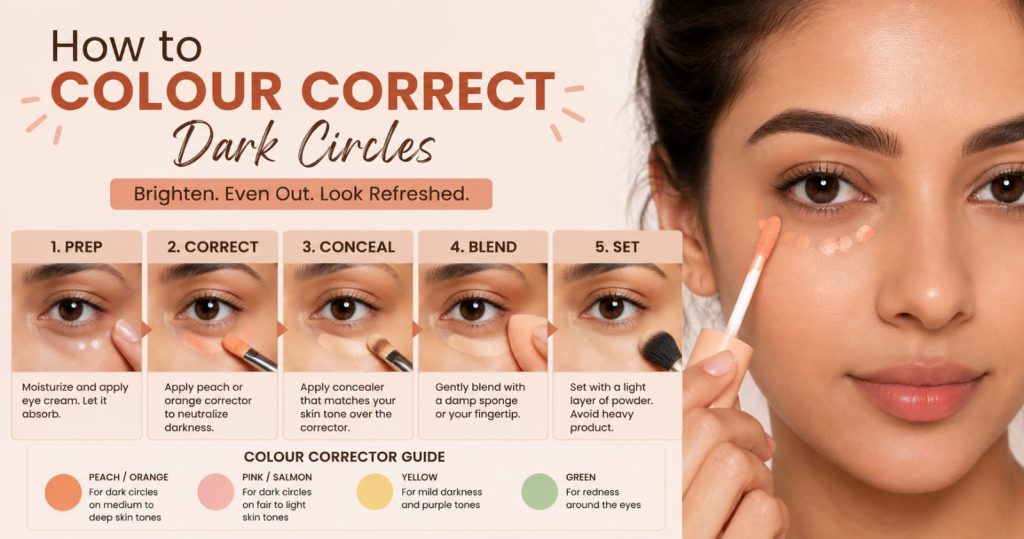
To color correct dark circles, first identify whether the darkness looks blue, purple, brown, gray, or mixed in natural light. Then choose a corrector that is warm enough to neutralize that color without sitting visibly on top of your skin. Peach is commonly used for fair to light-medium skin with blue or purple circles; deeper peach and orange shades can work better on medium to deep skin; yellow can help balance purple-toned discoloration. Apply a very thin layer only where darkness is visible, tap rather than rub, let it settle, then add skin-tone concealer and a light setting layer.
What Is Color Correction for Dark Circles?
Color correction is a makeup technique that uses a contrasting pigment to visually neutralize unwanted color before regular concealer. A skin-tone concealer is designed to provide coverage and match your complexion. A corrector has a different job: it helps reduce the visual impact of a blue, purple, gray, or brown cast so you do not have to pile on as much concealer.
The goal is not to make the under-eye area orange, pink, or yellow. The goal is for the corrector to become almost invisible after the skin-tone concealer is applied.
What Color Cancels Out Dark Circles?
The answer depends on both the color of the darkness and your skin depth.
| Visible Under-Eye Color | Corrector Family to Try |
| Blue or blue-gray | Peach, apricot, or orange |
| Purple or violet | Yellow or peach |
| Brown or brown-gray | Orange or red-orange, depending on skin depth |
| Mixed blue-purple | Peach-orange |
| Greenish/olive-looking discoloration | A tiny amount of pink/red-based correction may help; assess in daylight |
These are starting points, not rigid rules. Under-eye darkness can be caused by pigmentation, visible vessels, natural facial shadows, or a combination, so the visible color is the most useful guide for makeup selection.
Color Corrector Guide for Dark Circles by Skin Tone
Fair Skin
Start with a light peach, pale peach, or soft pink-peach. Very deep orange can leave an obvious cast.
Light to Medium Skin
Peach, salmon, or peach-apricot shades are common starting points for blue or purple circles.
Medium to Tan Skin
Look for a richer peach or peach-orange. If the darkness is strong, a true orange may neutralize it more effectively than a pale peach.
Deep Skin
A saturated orange, burnt orange, or red-orange can provide more visible correction without turning gray or chalky.
Very Deep Skin
Consider deep orange, red-orange, or rich terracotta families, depending on the discoloration and undertone. The formula should still be applied thinly.
Warm, Cool, and Neutral Undertones
Undertone can change how a corrector looks after blending. If peach looks too pink, try warmer peach/orange; if orange looks too strong, try softer peach or pink-peach. Always check in natural light.
Step 1: Identify the Dark-Circle Color
Look at your bare under-eye area in daylight. Do not judge the color under a strong yellow bathroom light.
Blue: choose a peach-to-orange family.
Purple: try yellow or peach.
Blue-gray: peach or orange.
Brown: orange or red-orange depending on depth.
Mixed: start with the dominant visible tone and use the lightest shade that neutralizes it.
If your darkness is mostly a structural shadow from the shape of the eye area, a corrector may not completely remove the shadow. In that situation, strategic concealer placement can help more than adding another layer of pigment.
Step 2: Choose the Corrector Texture
Cream and balm correctors can be useful for dry under-eyes because they can be easier to sheer out.
Liquid correctors can be convenient for thin, targeted layers.
Stick correctors are portable and allow precise placement, but use a light touch.
Serum-style correctors can be useful when you prefer a lightweight, brightening finish.
Do not choose a product only because it has the strongest pigment. Under the eyes, blendability and the ability to apply a thin layer matter just as much.
Step 3: Prep the Under-Eye Area
Start with your normal skincare routine. If the area is dry, use a small amount of lightweight moisturizer or eye cream and allow it to absorb. Avoid leaving a thick, slippery layer immediately underneath makeup. If you have puffiness, let skincare settle before correcting. Makeup cannot permanently remove puffiness, and color correction is mainly a cosmetic technique for the appearance of discoloration.
Step 4: Apply a Tiny Amount
Place a small dot or thin swipe only over the darkest part of the under-eye. Many people make the mistake of covering the entire under-eye with a thick layer. Tap the product with a fingertip, small brush, or makeup sponge. Keep the strongest pigment where the darkness is strongest and sheer the edges outward.
Step 5: Let It Set
Give the corrector a short moment to settle before applying the next layer. If the corrector is still very wet, concealer can mix with it and reduce the clean color-neutralizing effect.
Step 6: Add Concealer
Use a concealer that matches your skin or is only slightly brighter if that suits your makeup style. Apply less than you think you need. The corrector has already done part of the color-neutralizing work. Blend by tapping instead of dragging. If you still see discoloration, add a tiny amount rather than applying a thick second coat everywhere.
Step 7: Set Lightly
If you need longer wear, press a small amount of finely milled setting powder onto the area. Avoid heavy baking if creasing and texture are concerns. Wait a few minutes, then check your under-eyes in natural light. If the area looks orange, gray, or overly bright, the shade or amount is probably too strong.
Corrector vs. Concealer: What Is the Difference?
Corrector = neutralizes color.
Concealer = covers and evens the remaining appearance.
You can use both, but you do not always need both. Mild discoloration may be adequately covered with concealer alone. More noticeable blue, purple, or brown discoloration often benefits from a thin corrector layer first.
Should Color Corrector Go Before Concealer?
Yes. In a typical routine, color corrector goes before skin-tone concealer. The corrector neutralizes the unwanted color first; the concealer then provides complexion-matching coverage.
1. Skincare
2. Color corrector
3. Foundation, if used
4. Concealer
5. Light setting powder or spray, if needed
If you prefer foundation after concealer, the exact order can vary with your makeup routine and product formulas. The important point is to keep the corrector underneath the products that are meant to match your skin.
10 Real Color Correctors to Consider
The following are real products currently sold by established beauty retailers and/or represented in current U.S. product-market data. Amazon availability and prices can change, so the “Check Price on Amazon” buttons below use Amazon product/search destinations rather than a fixed price.
| Product | Format / positioning | Amazon |
| Caliray Hideaway Under Eye Color Corrector Concealer | A serum-like under-eye corrector with buildable coverage and brightening ingredients. Useful for readers who want c… | Check Price on Amazon |
| BOBBI BROWN Skin Long-Wearing Color Corrector Stick | A creamy corrector stick designed to neutralize under-eye discoloration, with multiple shade families for different… | Check Price on Amazon |
| Live Tinted HUESTICK Color Corrector | A creamy multistick that can be used to correct under-eye discoloration and other areas of uneven tone. It is usefu… | Check Price on Amazon |
| MAC Studio Fix 24-Hour Color Corrector | A liquid color corrector designed for customizable coverage and a natural soft-matte finish. The range includes war… | Check Price on Amazon |
| Charlotte Tilbury Magic Vanish! Color Corrector | A buttery corrector available in several depth-focused shades, designed to neutralize under-eye darkness before con… | Check Price on Amazon |
| tarte Maracuja Creaseless Creamy Color Corrector | A creamy corrector with several color-correcting shades, including peach, orange, and red families, designed for un… | Check Price on Amazon |
| Kosas Revealer Extra Bright Serum-Powered Color Corrector | A serum-style color corrector that combines color correction with a brightening, under-eye-focused formula. | Check Price on Amazon |
| Smashbox x BECCA Under Eye Brightening Corrector | A well-known under-eye corrector designed to brighten the appearance of dark circles and layer beneath concealer. | Check Price on Amazon |
| e.l.f. Camo Color Corrector | An affordable color-correcting option available in several shades, including peach and orange, for different discol… | Check Price on Amazon |
| Maybelline Instant Age Rewind Eraser Color Correcting Concealer | A drugstore color-correcting option with shade-specific correcting colors, including orange for deeper discoloratio… | Check Price on Amazon |
1. Caliray Hideaway Under Eye Color Corrector Concealer
A serum-like under-eye corrector with buildable coverage and brightening ingredients. Useful for readers who want correction without a heavy-looking layer.J
Best suited for: People who prefer a lightweight, brightening under-eye formula.
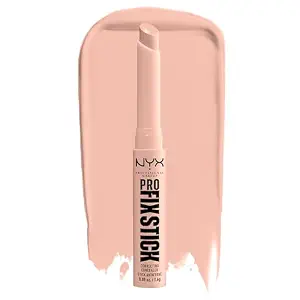
2. BOBBI BROWN Skin Long-Wearing Color Corrector Stick
A creamy corrector stick designed to neutralize under-eye discoloration, with multiple shade families for different undertones and depths.
Best suited for: Readers who want a precise stick format and broad shade options.
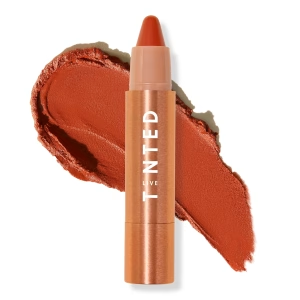
3. Live Tinted HUESTICK Color Corrector
A creamy multistick that can be used to correct under-eye discoloration and other areas of uneven tone. It is useful for readers looking for a portable stick
Best suited for: Medium to deeper skin tones and anyone who likes a multi-use corrector format.
4. MAC Studio Fix 24-Hour Color Corrector
A liquid color corrector designed for customizable coverage and a natural soft-matte finish. The range includes warm correcting shades for discoloration.
Best suited for: Readers who prefer liquid texture and buildable correction.
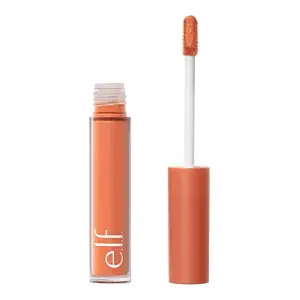
5. Charlotte Tilbury Magic Vanish! Color Corrector
A buttery corrector available in several depth-focused shades, designed to neutralize under-eye darkness before concealer
Best suited for: Readers who prefer a creamy, luminous-feeling corrector.
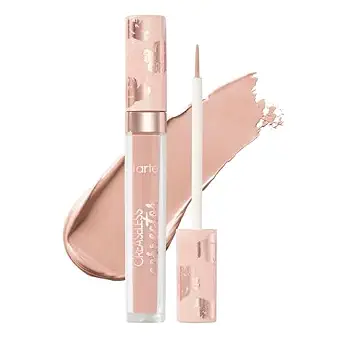
6. tarte Maracuja Creaseless Creamy Color Corrector
A creamy corrector with several color-correcting shades, including peach, orange, and red families, designed for under-eye discoloration.
Best suited for: Readers who want a creamy corrector with multiple shade directions.
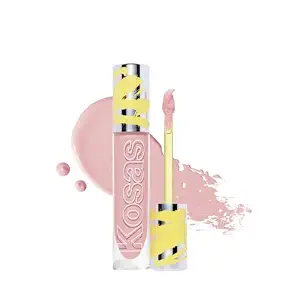
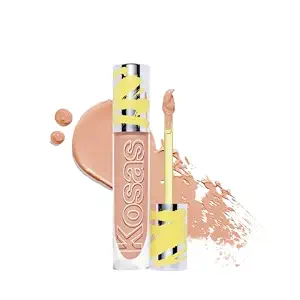
7. Kosas Revealer Extra Bright Serum-Powered Color Corrector
A serum-style color corrector that combines color correction with a brightening, under-eye-focused formula.
Best suited for: Readers who want a serum-like texture and brightening finish.
8. Smashbox x BECCA Under Eye Brightening Corrector
A well-known under-eye corrector designed to brighten the appearance of dark circles and layer beneath concealer.
Best suited for: Readers looking for a classic cream corrector format.
9. e.l.f. Camo Color Corrector
An affordable color-correcting option available in several shades, including peach and orange, for different discoloration concerns.
Best suited for: Drugstore shoppers and beginners who want an inexpensive way to learn color correction.
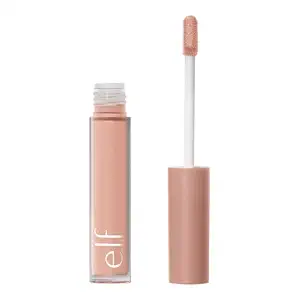
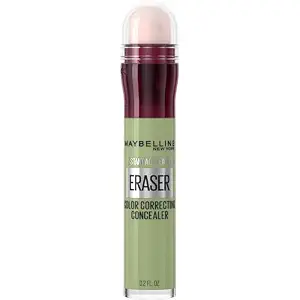
10. Maybelline Instant Age Rewind Eraser Color Correcting Concealer
A drugstore color-correcting option with shade-specific correcting colors, including orange for deeper discoloration.
Best suited for: Readers who want a familiar drugstore format and easy application.
How to Pick Between Peach and Orange
Choose peach when your skin is fair to light-medium and the darkness is blue or purple. Choose a stronger orange when your skin is medium to deep or the discoloration is more gray, blue, or brown. If orange looks obvious after concealer, switch to a softer shade or use less product.
How to Color Correct Dark Circles Without Looking Orange
The most important trick is to use less corrector, not more. Place it only on the discolored area, sheer the edges, and cover it with a thin layer of skin-tone concealer. A corrector should neutralize the darkness, not become a visible orange stripe.
Why Does My Color Corrector Look Gray?
Grayness can happen when the corrector is too light, too cool, or not warm enough for the discoloration and skin depth. If the under-eye becomes gray after concealer, try a slightly warmer peach or orange family and reduce the amount of product.
How to Prevent Creasing
Hydrate without leaving a slippery layer, apply thin layers, avoid dragging the skin, and use only enough powder to improve wear. If your under-eye naturally creases, no makeup technique can guarantee a completely crease-free result all day.
Common Mistakes
Using too much product.
Using a shade that is too deep.
Choosing the shade from a store light rather than daylight.
Applying corrector over the entire under-eye when only one small area is dark.
Putting concealer on before the corrector.
Adding a thick layer of powder.
Trying to correct a structural shadow with more pigment.
Frequently Asked Questions
How do you color correct dark circles?
Identify the visible undertone, choose a complementary warm shade that fits your skin depth, apply a thin targeted layer, tap it in, then add skin-tone concealer and set lightly if needed.
What color corrector is best for dark circles?
Peach and orange are common choices for blue and purple under-eye darkness. Yellow can help with purple tones, while deeper orange or red-orange can suit deeper skin tones and brown or mixed discoloration.
What color cancels out dark circles?
There is no single color for every person. Peach or orange can counter blue and purple darkness, while yellow can balance purple tones. Brown or mixed discoloration may need a deeper orange or red-orange shade.
What color corrector is best for blue dark circles?
Peach, apricot, or orange are common starting shades because they visually balance blue tones.
What color corrector is best for purple dark circles?
Yellow or peach can work for purple-toned discoloration. Choose the depth that disappears into your skin after concealer.
Is peach or orange better for dark circles?
Peach is often easier for fair-to-medium skin and milder blue-purple darkness. Orange can provide stronger correction for medium-to-deep skin or more pronounced discoloration.
Should color corrector go before concealer?
Yes. Apply the corrector first, then use a skin-tone concealer for coverage.
Can you color correct dark circles without concealer?
Yes. A sheer corrector can be worn alone if you only want to neutralize some discoloration. If the corrector is visibly colored, a small amount of concealer can make the result more seamless.
Why does my color corrector look orange?
It may be too deep or too warm, or you may have applied too much. Try a lighter shade and a thinner layer.
How much color corrector should I use?
Start with a tiny amount. Under-eye correction is usually more successful when you build slowly rather than applying one thick layer.
Does color correction permanently remove dark circles?
No. Color correction is a makeup technique that temporarily changes the visible appearance of discoloration. It does not remove the underlying cause.
Can color corrector help under-eye bags?
It can help disguise discoloration around the eyes, but it does not physically remove or treat a bag or puffiness. If the concern is mainly swelling or a structural shadow, a corrector alone may not change the shape.
Final Takeaway
Learning how to color correct dark circles is mainly about three decisions: identify the visible color, choose the right warmth and depth, and use a very thin layer. The best result is usually the one that looks like nothing is there after concealer.