This post may contain affiliate links. If you purchase through a link on this page, we may earn a small commission at no extra cost to you.
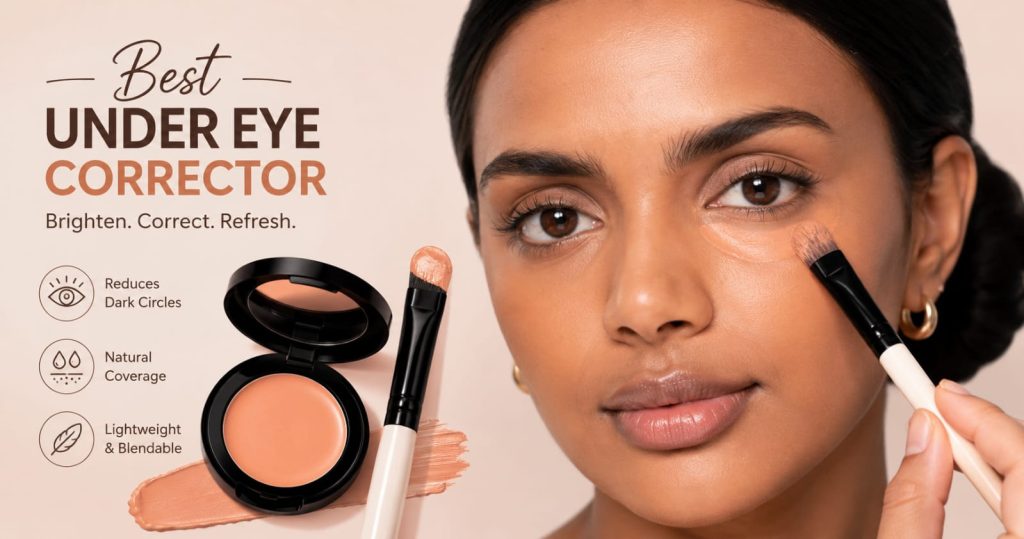
The best under eye corrector for dark circles can make a noticeable difference when concealer alone isn’t enough.If you’ve searched for the best dark circle corrector, you’ve probably noticed the terms “corrector” and “concealer” get used almost interchangeably — a color corrector specifically targets the blue or purple tone under your eyes, while concealer covers it more broadly
If you’ve ever piled on concealer over dark circles only to watch the blue or purple tint bleed right back through by midday, the problem usually isn’t the concealer — it’s that you skipped color correction. A corrector neutralizes discoloration first, so the concealer that goes on top actually does its job instead of fighting an uphill battle.
Concealer alone often isn’t enough for real under-eye discoloration. If you’ve ever piled on concealer over dark circles only to watch the blue or purple tint bleed right back through by midday, the problem usually isn’t the concealer — it’s that you skipped color correction. A corrector neutralizes discoloration first, so the concealer that goes on top actually does its job instead of fighting an uphill battle.
This guide focuses specifically on under-eye correctors, not concealers, and walks through the piece most general roundups skip: which corrector shade actually works for your specific dark circles and skin tone. Recommendations here are based on published shade and formula details along with patterns across verified customer feedback rather than in-person testing, so treat performance notes as a strong starting point rather than a guarantee for every skin type.
Table of Contents
- Quick Answer
- Comparison Table
- How We Chose These Products
- 10 Best dark circle corrector
- How to Choose the Right Under Eye Corrector
- Which Color Corrector Is Best for Dark Circles?
- Peach vs. Orange Corrector: Which Should You Use?
- Under-Eye Corrector vs. Concealer: What’s the Difference?
- How to Apply Under Eye Corrector Without Looking Cakey
- Best Under Eye Corrector for Different Skin Concerns
- Common Under Eye Corrector Mistakes
- Frequently Asked Questions
- Final Verdict
Quick Answer
For most people, a peach-toned corrector is the safest starting point for blue or purple dark circles on fair to medium skin, while deeper skin tones generally see better results with orange or red-orange shades. Choose a lightweight, buildable formula over a heavy one — a thin, well-blended layer of the right color does more than a thick layer of the wrong one. Apply corrector before concealer, only where discoloration actually appears, and use just enough to neutralize the tone rather than trying to fully cover it on its own.
Comparison Table
| Under Eye Corrector | Best For | Corrector Shade | Coverage | Finish | Skin Type |
|---|---|---|---|---|---|
| Overall Balanced Formula | Best Overall | Peach | Medium | Natural | All Types |
| Budget Peach Formula | Best Drugstore | Peach | Medium | Natural | All Types |
| High-Pigment Neutralizing Formula | Best for Dark Circles | Peach-Orange | Medium-Full | Natural | All Types |
| Deep-Tone Correcting Formula | Best for Deep Dark Circles | Orange/Red-Orange | Full | Natural | All Types |
| Light Peach Formula | Best for Fair Skin | Light Peach | Medium | Natural | Fair |
| Rich Orange Formula | Best for Deep Skin Tones | Orange | Medium-Full | Natural | Deep |
| Hydrating Creamy Formula | Best for Dry Skin | Peach | Medium | Radiant | Dry |
| Lightweight Long-Wear Formula | Best for Oily Skin | Peach | Medium | Natural | Oily |
| Smoothing Non-Cakey Formula | Best for Mature Skin | Peach | Light-Medium | Smooth | Mature |
| Sheer Everyday Formula | Best Lightweight | Light Peach | Sheer-Light | Natural | All Types |
How We Chose These Products
None of the products in this guide were personally tested by our team, and we want to be upfront about that rather than imply otherwise. Every pick here was evaluated using:
- Published shade ranges and where each corrector sits on the peach-to-orange spectrum
- Formula type, coverage level, and finish as described on official product pages
- Patterns across verified customer reviews specifically mentioning creasing, blendability, and performance over dark circles
- Skin-type suitability based on published texture and hydration claims
- Price relative to product size
General guidance on color theory, skin tone, and dark-circle discoloration reflects widely available makeup artistry education rather than a claim of personal, hands-on testing.
10 Best Dark Circles Corrector
1. Overall Balanced Formula (Best Overall)
Why we picked it: A true peach corrector with a buildable, natural finish that neutralizes blue and purple discoloration without looking heavy.
Shade: Peach ·
Coverage: Medium ·
Best for: Most skin tones and dark-circle types
What we like: Balances hydration and coverage, blends easily, works well under most concealers.
What to consider: May need a second thin layer over very stubborn discoloration.
Best for: Anyone wanting one dependable, all-purpose corrector
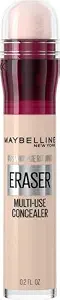
2. Budget Peach Formula (Best Drugstore)
Why we picked it: An affordable peach corrector that performs close to pricier formulas for everyday discoloration.
Shade: Peach ·
Coverage: Medium ·
Best for: Budget-conscious shoppers
What we like: Good value, easy to find, solid neutralizing power for the price.
What to consider: Shade range is more limited than premium option
Best for: Everyday use without a premium price tag.
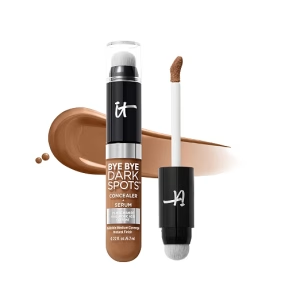
3. High-Pigment Neutralizing Formula (Best for Dark Circles)
Why we picked it: A peach-orange blend with strong pigment concentration, built specifically to counteract visible blue and purple shadows.
Shade: Peach-Orange
· Coverage: Medium-Full
Best for: Noticeable blue/purple dark circles
What we like: Strong neutralizing power, doesn’t require heavy layering to see results.
What to consider: Can look slightly orange if applied too heavily or left unblended.
Best for: Visible dark circles that regular concealer alone doesn’t fully hide.
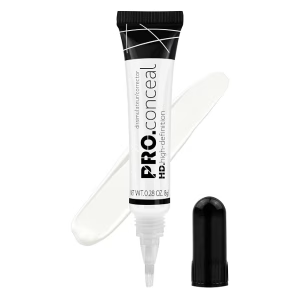
4. Deep-Tone Correcting Formula (Best for Deep Dark Circles)
Why we picked it: A deeper orange and red-orange formula designed for the most stubborn, heavily pigmented dark circles.
Shade: Orange/Red-Orange ·
Coverage: Full
Best for: Deep or long-standing discoloration
What we like: Strong coverage for genuinely stubborn circles, builds well without caking.
What to consider: Too intense for lighter discoloration or fair skin — best reserved for deeper pigmentation.
Best for: Deep, persistent dark circles that lighter correctors don’t fully neutralize.
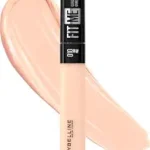
5. Light Peach Formula (Best for Fair Skin)
Why we picked it: A softer, lighter peach shade calibrated for fair skin tones, avoiding the overly orange cast a deeper corrector can leave on lighter complexions.
Shade: Light Peach ·
Coverage: Medium ·
Best for: Fair and light skin tones
What we like: Blends seamlessly on fair skin, doesn’t oxidize into an orange tint.
What to consider: Too light to fully neutralize deeper discoloration on medium or deep skin tones.
Best for: Fair skin with mild to moderate blue or purple dark circles.
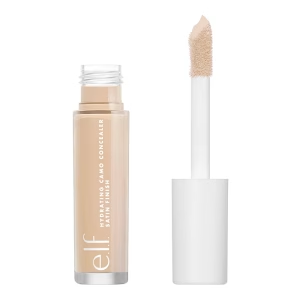
6. Rich Orange Formula (Best for Deep Skin Tones)
Why we picked it: A true orange shade formulated to properly neutralize discoloration on deeper skin tones, where a standard peach shade often isn’t pigmented enough.
Shade: Orange ·
Coverage: Medium-Full ·
Best for: Deep and richly pigmented skin tones
What we like: Genuinely effective on deeper skin, doesn’t leave an ashy or gray cast.
What to consider: Requires careful blending to avoid a visible line of demarcation.
Best for: Deep skin tones with visible discoloration that lighter correctors can’t fully cancel out.
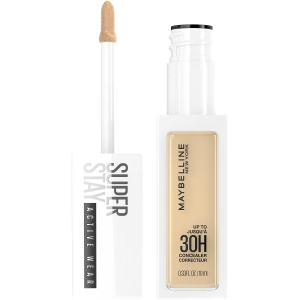
7. Hydrating Creamy Formula (Best for Dry Skin)
Why we picked it: A creamy, hydrating peach formula that sits comfortably on dry under-eye skin without settling into fine lines.
Shade: Peach ·
Coverage: Medium ·
Best for: Dry or dehydrated under-eye skin
What we like: Comfortable, non-drying wear, radiant rather than flat finish.
What to consider: Richer formula may need a light setting powder for oilier skin types.
Best for: Dry under-eyes that need extra comfort alongside color correction.
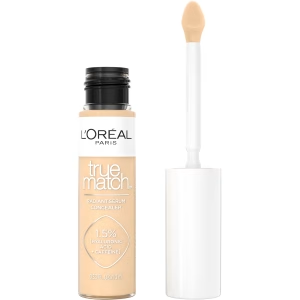
8. Lightweight Long-Wear Formula (Best for Oily Skin)
Why we picked it: A thinner, longer-wearing peach formula that resists sliding into creases or transferring throughout the day on oilier skin.
Shade: Peach
· Coverage: Medium ·
Best for: Oily or combination under-eye skin
What we like: Long wear time, minimal transfer, doesn’t feel heavy.
What to consider: Slightly less hydrating than creamier formulas, which is intentional for oil control.
Best for: Oily under-eyes prone to product breakdown throughout the day.
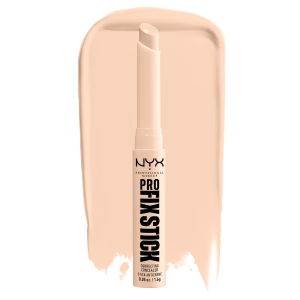
9. Smoothing Non-Cakey Formula (Best for Mature Skin)
Why we picked it: A lightweight, smoothing formula designed to avoid settling into fine lines, which is one of the biggest frustrations with correctors on mature under-eye skin.
Shade: Peach ·
Coverage: Light-Medium ·
Best for: Mature skin with fine lines or texture
What we like: Doesn’t emphasize fine lines, smooth application, comfortable wear.
What to consider: Lighter coverage means it may need to be paired with concealer for fuller correction.
Best for: Mature skin prioritizing a smooth, non-cakey finish over maximum coverage.
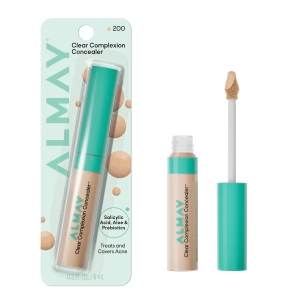
10. Sheer Everyday Formula (Best Lightweight)
Why we picked it: A sheer, barely-there peach formula for anyone who wants a hint of color correction without a full coverage product.
Shade: Light Peach ·
Coverage: Sheer-Light ·
Best for: Minimal makeup days
What we like: Feels weightless, blends in seconds, ideal for a no-makeup makeup look.
What to consider: Not strong enough for visible or stubborn dark circles.
Best for: Mild discoloration or everyday touch-ups rather than full correction.
How to Choose the Right Under Eye Corrector
Consider Your Dark-Circle Color
Not all dark circles are the same color, and identifying yours is the first step to choosing the right corrector. Blue and purple circles are the most common and generally respond well to peach tones. Brown discoloration, often related to pigmentation, may need a slightly deeper peach or orange depending on your overall skin tone. Gray or more neutral-toned circles can be trickier and sometimes benefit from a combination approach.
Consider Your Skin Tone
Skin tone plays a major role in which corrector shade will actually neutralize your discoloration rather than just sitting on top of it looking mismatched. As a general starting point:
| Skin Depth | Common Starting Point |
|---|---|
| Fair/light | Light peach or pink-peach |
| Light-medium | Peach or salmon |
| Medium/tan | Peach-orange |
| Deep | Orange |
| Very deep | Deep orange or red-orange |
This isn’t a rigid rule — undertone and the actual color of your discoloration still matter alongside depth.
Consider Your Undertone
Beyond overall skin depth, your undertone (warm, cool, or neutral) can shift which specific peach or orange leans best for you. Warmer undertones often do well with a slightly more golden peach, while cooler undertones may prefer a pinker peach. If you’re unsure, testing a small amount along your jaw or under-eye area in natural light is the most reliable way to check.
Which Color Corrector Is Best for Dark Circles?
Peach Corrector
Peach is the most versatile and widely used corrector shade, particularly effective at neutralizing blue and purple-toned circles on fair to medium skin tones. It’s generally the safest starting point if you’re new to color correction.
Orange Corrector
Orange offers stronger neutralizing power and tends to work best on medium-to-deeper complexions or for more stubborn, deeply pigmented discoloration where a standard peach doesn’t provide enough correction.
Pink or Salmon Corrector
Pink and salmon tones can work well depending on your complexion and the specific tone of your darkness, often used on fair skin with milder blue-toned circles.
Red-Orange Corrector
Red-orange is the most intense option on this list, generally reserved for deep skin tones or very stubborn, deeply set discoloration where lighter shades simply aren’t pigmented enough to make a visible difference.
Color choice isn’t one-size-fits-all — the same “peach” label can look and perform differently depending on the specific formula and your individual skin.
Peach vs. Orange Corrector: Which Should You Use?
| Feature | Peach | Orange |
|---|---|---|
| Best starting point | Lighter complexions | Medium to deeper complexions |
| Common use | Blue/purple shadows | Deeper blue, purple, or brown shadows |
| Finish | Softer | More intense correction |
| Best approach | Thin layer | Build gradually |
If you’re unsure which to choose, peach is the more forgiving starting point for most fair to medium skin tones, while orange becomes increasingly necessary as skin tone deepens or discoloration becomes more pronounced. Building up gradually with either shade, rather than applying a thick layer immediately, gives you more control over the final result.
Under-Eye Corrector vs. Concealer: What’s the Difference?
This is one of the most misunderstood parts of under-eye makeup, and clearing it up can genuinely change how your dark circles look day to day.
What does a corrector do? A color corrector neutralizes unwanted discoloration using color theory — peach and orange tones specifically counteract the blue and purple that make dark circles look dark in the first place.
What does concealer do? Concealer provides skin-tone matching coverage. It’s designed to blend in with your complexion, not to neutralize color underneath it.
Should you use both? For genuinely visible dark circles, yes — using a corrector first and concealer on top typically gives a much more natural, fully hidden result than concealer alone, and often means you need less concealer overall. The corrector does the color-neutralizing work, while the concealer smooths everything into one even tone. If your dark circles are mild, concealer alone may be enough, but for real discoloration, skipping the corrector step is one of the most common reasons concealer alone doesn’t fully work.
Dark circles can have different causes, including genetics, pigmentation, aging, and visible blood vessels, so makeup can improve their appearance without necessarily addressing the underlying cause. For more information about possible causes and treatment options, see the American Academy of Dermatology
Choosing the best under eye corrector for dark circles starts with identifying the color of your discoloration and matching it to your skin tone. Peach shades are usually a good starting point for blue or purple circles, while orange or red-orange shades can provide stronger correction for deeper skin tones. The right shade should neutralize darkness without leaving an obvious orange or gray cast.
How to Apply Under Eye Corrector Without Looking Cakey
- Prep the under-eye area with a lightweight moisturizer or eye cream, allowing it to fully absorb before applying makeup.
- Use a very small amount of corrector — more product doesn’t mean more coverage, it usually just means more cakiness.
- Place corrector only where discoloration actually appears, rather than applying it across the entire under-eye area.
- Blend the edges with a small brush, sponge, or your fingertip, feathering outward so there’s no visible line.
- Let it settle briefly before layering anything on top, since applying concealer over wet corrector can cause the two to mix and lose their individual effect.
- Add concealer if needed, focusing on any remaining unevenness rather than a full second layer of coverage.
- Set lightly if necessary, using a small amount of translucent powder only where needed to avoid emphasizing fine lines.
How Much Corrector Should You Use?
Less is almost always more with color correction. A thin, targeted layer that’s well blended will look more natural and last longer than a thick layer applied in hopes of full coverage on its own.
How to Prevent Creasing
- Don’t overapply — thick layers are the most common cause of creasing
- Use a hydrating base underneath if your under-eye area tends to be dry
- Allow each layer to settle for a few seconds before adding the next product
- Avoid excessive powder, which can actually draw more attention to fine lines rather than smoothing them
- The best under eye corrector for dark circles should also have a formula that works with your skin type. If your under-eye area is dry, a creamy and hydrating formula can help prevent the corrector from emphasizing texture. For oily skin, a lightweight and long-wearing formula may be a better choice. In either case, applying a thin layer usually creates a more natural finish.
Best Under Eye Corrector for Different Skin Concerns
| Concern | Best Formula/Approach |
|---|---|
| Dark circles | Color-correcting peach or orange formula |
| Dry under-eyes | Hydrating, creamy formula |
| Oily under-eyes | Lightweight, long-wearing formula |
| Mature skin | Smoothing, lightweight formula |
| Puffy eyes | Lightweight, brightening formula |
| Deep pigmentation | Higher-pigment orange or red-orange corrector |
Common Under Eye Corrector Mistakes
Using Too Much Product
More corrector doesn’t equal more coverage — it usually just means more visible texture and a higher chance of creasing throughout the day.
Choosing the Wrong Color
A corrector shade that doesn’t match your skin depth or discoloration type can end up looking more obvious than the dark circles it’s meant to hide.
Ignoring Skin Tone
The same corrector shade can look completely different from one skin tone to another — always consider your own skin depth and undertone rather than choosing based on a product’s marketing alone.
Applying Corrector Everywhere
Corrector is meant for targeted discoloration, not the entire under-eye and cheek area. Overapplication beyond where it’s needed often creates an unnatural, obviously “corrected” look.
Using Too Much Concealer
Piling concealer on top of corrector defeats the purpose — if the corrector did its job, you should need noticeably less concealer than you would without it.
Applying Too Much Powder
Excess powder can settle into fine lines and actually make the under-eye area look more textured and aged rather than smoother.
Frequently Asked Questions
What is the best dark circle corrector? A buildable, lightweight peach or orange formula suited to your specific skin tone and dark-circle color tends to work best, since the right shade depends on individual discoloration and complexion.
What is the best under eye corrector for dark circles? A peach-toned corrector generally works well for typical blue or purple dark circles, while deeper or more stubborn discoloration often responds better to an orange or red-orange formula.
What color corrector is best for dark circles? Peach neutralizes blue and purple tones effectively on most fair to medium skin, while orange and red-orange provide stronger correction for deeper or more pigmented circles.
What color corrects blue dark circles? Peach tones are generally the most effective at neutralizing blue-toned dark circles.
What color corrects purple dark circles? Peach to orange tones typically work well for purple discoloration, with the exact shade depending on skin tone.
What color corrects brown dark circles? Peach or orange, depending on overall skin tone, can help address brown pigmentation-related discoloration.
Should I use corrector before concealer? Yes, corrector is applied first to neutralize discoloration, with concealer layered on top to provide even, skin-matching coverage.
What is the difference between an under-eye corrector and concealer? A corrector neutralizes unwanted color using color theory, while a concealer matches your skin tone to provide overall coverage — they serve different purposes and work best together.
What is the best drugstore under eye corrector? An affordable peach formula with solid neutralizing power and a natural finish can perform comparably to pricier options for everyday use.
What is the best under eye corrector for mature skin? A lightweight, smoothing formula that avoids settling into fine lines tends to work best for mature under-eye skin.
What is the best under eye corrector for dry skin? A creamy, hydrating formula prevents the corrector from looking flat or emphasizing dry texture throughout the day.
How do I stop under-eye corrector from creasing? Apply a thin layer, use a hydrating base underneath if needed, let each layer settle before adding more product, and avoid excessive powder.
When comparing the best under eye corrector for dark circles, consider shade, coverage, finish, and how easily the formula blends with concealer. A corrector is designed to neutralize discoloration rather than completely cover it, so you should not need a thick layer. Apply a small amount to the darkest areas, blend gently, and follow with a skin-tone concealer if additional coverage is needed.
What is the best under eye corrector in 2026?
The strongest picks combine a peach or salmon color-correcting base with a hydrating, crease-resistant formula — both the Creamy Peach-Toned Concealer and Full Coverage Color Corrector Concealer on this list are built specifically for that combination.
Final Verdict
Best Overall: Overall Balanced Formula
Best Drugstore: Budget Peach Formula
Best for Dark Circles: High-Pigment Neutralizing Formula
Best for Deep Dark Circles: Deep-Tone Correcting Formula
Best for Fair Skin: Light Peach Formula
Best for Deep Skin Tones: Rich Orange Formula
Best for Dry Skin: Hydrating Creamy Formula
Best for Oily Skin: Lightweight Long-Wear Formula
Best for Mature Skin: Smoothing Non-Cakey Formula
Best Lightweight: Sheer Everyday Formula
Choosing the best under eye corrector really comes down to matching two things correctly: the color of your dark circles and the depth of your skin tone. Once you know whether you’re dealing with blue, purple, or brown discoloration, and whether your skin leans fair, medium, or deep, narrowing down between a peach or orange formula becomes much simpler — and a thin, well-blended layer of the right shade will always outperform a thick layer of the wrong one.
For more on building out a complete beauty routine, our guides to the best brown mascara and best sunblock for very oily skin cover other picks that pair naturally with a complete everyday makeup look.
Disclaimer: The products mentioned are recommendations based on research and verified customer reviews rather than in-person testing. Individual results may vary based on skin tone, undertone, discoloration type, and application technique.