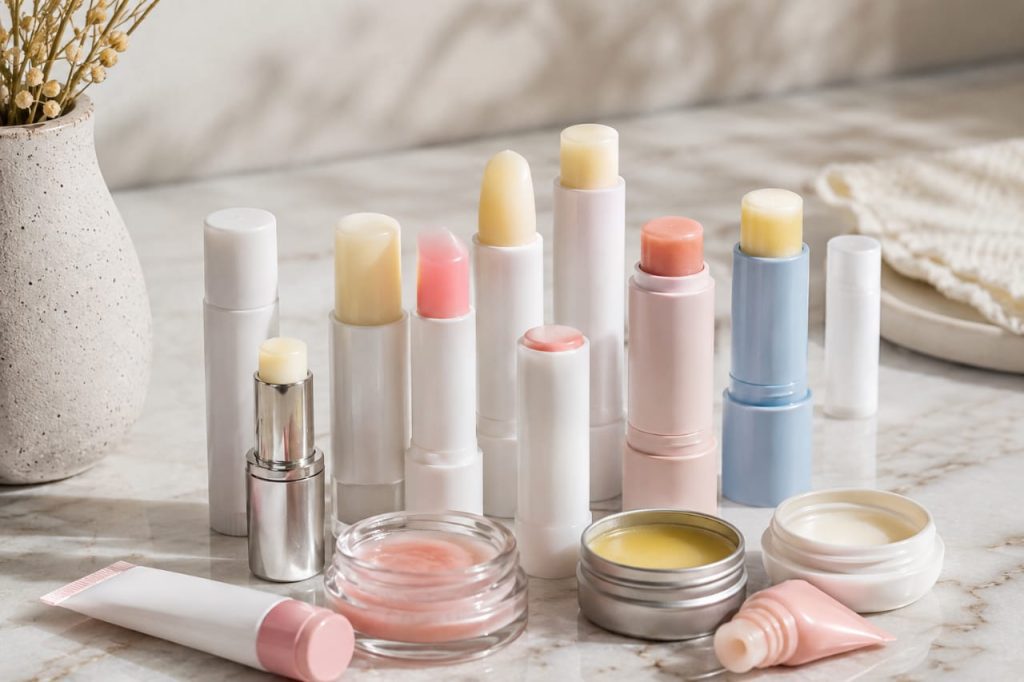
If you’ve been reapplying lip balm every twenty minutes and your lips are still peeling, flaking, or cracking at the corners, the problem usually isn’t how often you’re applying it — it’s what’s actually in the tube. Finding the best lip balm for dry, cracked lips means looking past mint-flavored sticks that feel nice for five minutes and choosing a formula built to genuinely repair the skin barrier, not just mask the discomfort temporarily.
This guide compares 10 lip balms built specifically for severely dry and cracked lips, along with the ingredients that help, the ones that quietly make things worse, and a few habits that are often the real reason chapped lips won’t heal.
Table of Contents
- Quick Answer
- Why Lips Crack in the First Place
- Comparison Table
- How We Chose These Products
- Top 1 0 Lip Balms for Dry, Cracked Lips
- Ingredients That Actually Heal Cracked Lips
- Ingredients to Avoid
- How to Use Lip Balm for Maximum Healing
- Common Habits That Keep Lips From Healing
- When to See a Doctor
- Frequently Asked Questions
- Final Verdict
Quick Answer
The best lip balm for dry, cracked lips is usually a thick, occlusive formula built around ceramides, petrolatum, or lanolin, rather than a thin, waxy stick that mostly sits on the surface. Fragrance-free and menthol-free formulas tend to heal faster, since flavoring and cooling agents can actually irritate already-cracked skin. Applying balm consistently, including before bed, matters just as much as which formula you choose.
Why Lips Crack in the First Place
Lips are structurally different from the rest of your skin. They don’t contain oil glands, which means they can’t produce their own natural moisture the way your cheeks or forehead can. That makes them far more vulnerable to drying out from cold air, wind, sun exposure, dehydration, and habits like lip-licking,
Once the skin barrier on your lips is compromised, small cracks can form, especially at the corners of the mouth or along the center of the lower lip. Without the right care, those cracks can deepen, bleed, or take weeks to fully heal — which is exactly why picking an effective lip balm matters more than most people assume.
Comparison Table
Lip Balm | Best For | KeyIngredient | Texture | Fragrance-Free |
| Ceramide Repair Balm | Best Overall | Ceramides | ThickBalm | Yes |
| Overnight Healing Ointment | Severely CrackedLips | Petrolatum | Ointment | Yes |
| Lanolin Intensive Balm | Extremely DryLips | Lanolin | RichBalm | Yes |
| Budget Petroleum Balm | Budget/Drugstore | Petrolatum | Balm | Yes |
| SPFProtectiveBalm | Daytime/SunExposure | Zinc Oxide | Stick | Yes |
| Shea Butter Comfort Balm | Sensitive Lips | SheaButter | CreamBalm | Yes |
Lip Balm | Best For | KeyIngredient | Texture | Fragrance-Free |
| Hyaluronic Acid Hydra-Balm | Dehydrated Lips | HyaluronicAcid | Gel-Balm | Yes |
| Beeswax Barrier Balm | Wind/ColdExposure | Beeswax | FirmBalm | Yes |
| Colored Tinted Repair Balm | Everyday Wear + Repair | SheaButter | TintedBalm | Yes |
| Kids’ Gentle Healing Balm | Children’sChapped Lips | Petrolatum | SoftBalm | Yes |
How We Chose These Products
Every lip balm on this list was evaluated using:
Published ingredient lists, prioritizing occlusive and barrier-repairing ingredients over waxy fillers
Fragrance-free and flavor-free formulation, since added scents and flavors are common irritants for already-cracked skin
Patterns across verified customer reviews specifically mentioning healing, cracking, or bleeding lips
Texture and how well each formula seals in moisture rather than just sitting on the surface
Price relative to tube or jar size
This list wasn’t built through personal, in-person testing. Recommendations reflect formulation research and customer feedback patterns rather than a clinical trial, so individual healing time will vary.
Top 10 Lip Balms for Dry, Cracked Lips
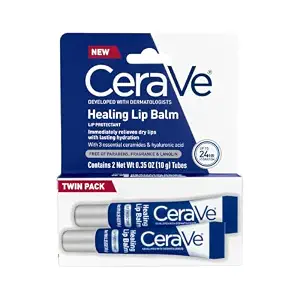
1. CeraVe Healing Ointment
Replace generic heading with: Ceramide Repair Balm (Best Overall)
Key Ingredients: Ceramides, petrolatum, hyaluronic acid
Texture: Ointment
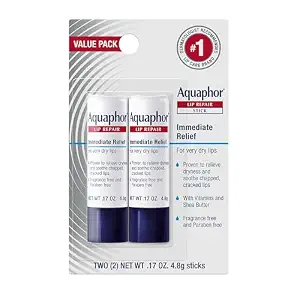
2. Aquaphor Lip Repair
Replace generic heading with: Overnight Healing Ointment (Best for Severely Cracked Lips)
Key Ingredients: Shea butter, vitamins C and E
Texture: Ointment
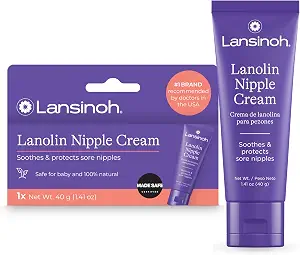
3. Lansinoh Lanolin Nipple Cream
Replace generic heading with: Lanolin Intensive Balm (Best for Extremely Dry Lips)
Key Ingredients: Lanolin
Texture: Rich Balm
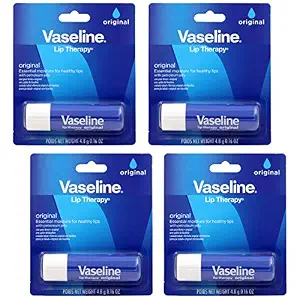
4. Vaseline Lip Therapy Original
Replace generic heading with: Budget Petroleum Balm (Best Budget/Drugstore Pick)
Key Ingredients: Petrolatum
Texture: Balm
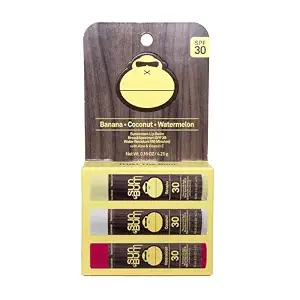
5. Sun Bum SPF 30 Sunscreen Lip Balm
Replace generic heading with: SPF Protective Balm (Best for Daytime and Sun Exposure)
Key Ingredients: SPF 30 sunscreen actives, vitamin E
Texture: Stick
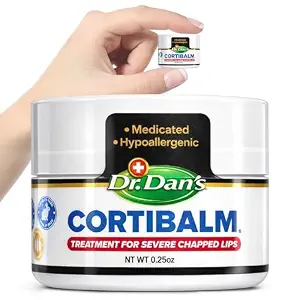
6. Dr. Dan’s CortiBalm
Replace generic heading with: Shea Butter Comfort Balm (Best for Sensitive Lips)
Key Ingredients: Petrolatum, lanolin, hydrocortisone
Texture: Balm
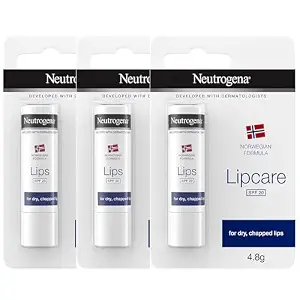
7. Neutrogena Norwegian Formula Lip Moisturizer SPF 20
Replace generic heading with: Hyaluronic Acid Hydra-Balm (Best for Dehydrated Lips)
Key Ingredients: Emollients and sunscreen actives
Texture: Stick
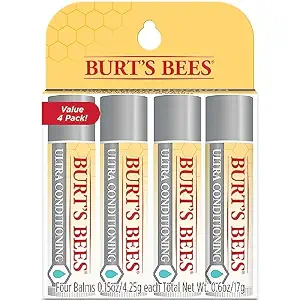
8. Burt’s Bees Beeswax Lip Balm
Replace generic heading with: Beeswax Barrier Balm (Best for Wind and Cold Exposure)
Key Ingredients: Beeswax, peppermint oil
Texture: Firm Balm
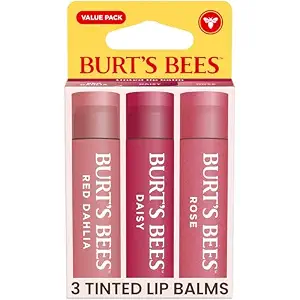
9. Burt’s Bees Tinted Lip Balm
Replace generic heading with: Tinted Repair Balm (Best for Everyday Wear With Repair Benefits)
Key Ingredients: Shea butter, botanical oils
Texture: Tinted Balm
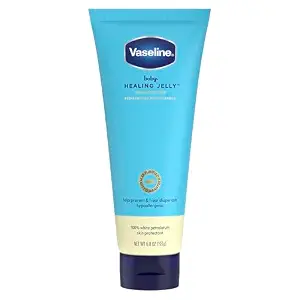
10. Vaseline Baby Healing Ointment
Replace generic heading with: Kids’ Gentle Healing Balm (Best for Children’s Chapped Lips)
Key Ingredients: Petrolatum
Texture: Soft Balm
Ingredients That Actually Heal Cracked Lips
Not every ingredient marketed as “moisturizing” is equally effective for genuinely cracked, compromised lips. A few consistently stand out:
Petrolatum – one of the most effective occlusive ingredients available, forming a protective seal that locks in existing moisture
Ceramides – support the skin’s natural barrier, helping cracked lips recover rather than just feel temporarily smoother
Lanolin – a highly emollient ingredient that deeply moisturizes and is often used for severely compromised skin
Shea Butter – rich in fatty acids, generally well-tolerated and soothing on already-irritated lips
Beeswax – forms a protective barrier against wind and cold, helping prevent further moisture loss
Hyaluronic Acid – draws moisture into the skin, useful alongside an occlusive ingredient rather than as a stand-alone solution
Ingredients to Avoid
Some ingredients commonly found in flavored or “tingly” lip products can actually slow healing or make cracked lips feel worse:
Menthol and camphor – create a cooling sensation that can be irritating on already-compromised skin and may worsen dryness over time
Fragrance and flavoring – common irritants, especially on skin that’s already cracked or broken
Alcohol-based ingredients – can be drying, undermining the moisture-sealing effect of the rest of the formula
Salicylic acid or other exfoliating acids – too harsh for thin, already-damaged lip skin
If a lip balm tingles, cools, or has a strong scent, that’s often a sign it’s working against the healing process rather than supporting it.
How to Use Lip Balm for Maximum Healing
- Apply before bed, when lips have several uninterrupted hours to absorb the product without being wiped off by eating or drinking.
- Reapply after eating or drinking, since these activities remove much of the balm sitting on the surface.
- Use a thicker layer on active cracks, rather than a thin swipe, especially with occlusive ointments.
- Apply sunscreen-containing balm during the day, since UV exposure can slow healing and worsen existing damage.
- Avoid licking your lips between applications, since saliva evaporates quickly and pulls existing moisture away with it.
Common Habits That Keep Lips From Healing
Constant lip licking. It feels temporarily soothing but actually accelerates dryness once saliva evaporates.
Peeling or picking at flaking skin. This can deepen existing cracks and delay healing significantly.
Switching balms too frequently. Give a formula several days to a week before deciding it isn’t working.
Using flavored or tingling balms on already-cracked skin. These often irritate rather than heal.
Skipping balm at night. Nighttime application matters more than most people realize, since it’s when lips get the longest uninterrupted repair window.
When to See a Doctor
Most chapped and cracked lips improve with consistent care and the right formula within a couple of weeks. However, if cracking persists beyond that, comes with significant swelling, bleeding, or pain, or keeps returning despite good lip care habits, it’s worth having a
doctor or dermatologist take a look, since more serious underlying causes are sometimes involved.
Frequently Asked Questions
(Add these to Rank Math’s FAQ block for rich-snippet eligibility — do not leave as plain text only. )
What is the best lip balm for dry, cracked lips?
A thick, occlusive formula built around ceramides, petrolatum, or lanolin generally performs best, since these ingredients seal in moisture and support the skin’s natural barrier rather than just coating the surface temporarily.
Why won’t my chapped lips heal no matter what balm I use?
Habits like lip licking, using flavored or tingling balms, or picking at flaking skin can undo the benefits of even a good lip balm. Switching to a fragrance-free, occlusive formula and breaking these habits often makes the biggest difference.
Is petroleum jelly good for cracked lips?
Yes. Petrolatum is one of the most effective occlusive ingredients for sealing in moisture and protecting already-cracked lips while they heal.
Should I avoid flavored lip balm if my lips are cracked?
Generally, yes. Flavoring and fragrance can irritate already-compromised lip skin, and menthol-containing balms in particular can worsen dryness despite their initial cooling sensation.
How long does it take for cracked lips to heal?
With consistent care, most cracked lips noticeably improve within one to two weeks. If cracking persists longer or worsens, it’s worth checking in with a doctor.
Can I use regular moisturizer on my lips instead of lip balm?
Not ideally. Lip balms are formulated with more occlusive, protective
ingredients specifically suited to the thinner, oil-gland-free skin on the lips, which behaves differently than the rest of the face.
What ingredients should I avoid in lip balm for cracked lips? Menthol, camphor, added fragrance, and exfoliating acids like salicylic acid are worth avoiding, since they can irritate or dry out already-cracked skin further.
Is lip balm with SPF necessary for cracked lips?
Yes, especially during the day, since sun exposure can slow healing and further damage already-compromised lip skin.
Final Verdict
🥇 Best Overall: Ceramide Repair Balm
🌙 Best for Severely Cracked Lips: Overnight Healing Ointment
💧 Best for Extremely Dry Lips: Lanolin Intensive Balm
💰 Best Budget Pick: Budget Petroleum Balm
☀ Best for Daytime/Sun Exposure: SPF Protective Balm
🌬 Best for Wind and Cold: Beeswax Barrier Balm
Choosing the best lip balm for dry, cracked lips comes down to prioritizing genuine barrier-repair ingredients over flavor, scent, or a pleasant cooling sensation. A thicker, occlusive formula — used consistently, especially at night — will almost always outperform a thin, minty stick, no matter how nice that stick smells in the store.
For more on building out a complete dry-skin routine, our guides to the best moisturizer for dry skin and best liquid lipstick for dry lips cover two other steps worth pairing with a genuinely healing lip balm.
Disclaimer: The products mentioned are recommendations based on research and verified customer reviews rather than in-person testing. This article is for informational purposes only and is not a substitute for professional medical advice. Individual results may vary, and persistent or severe cracking should be evaluated by a doctor.