This post may contain affiliate links. If you purchase through a link on this page, we may earn a small commission at no extra cost to you.
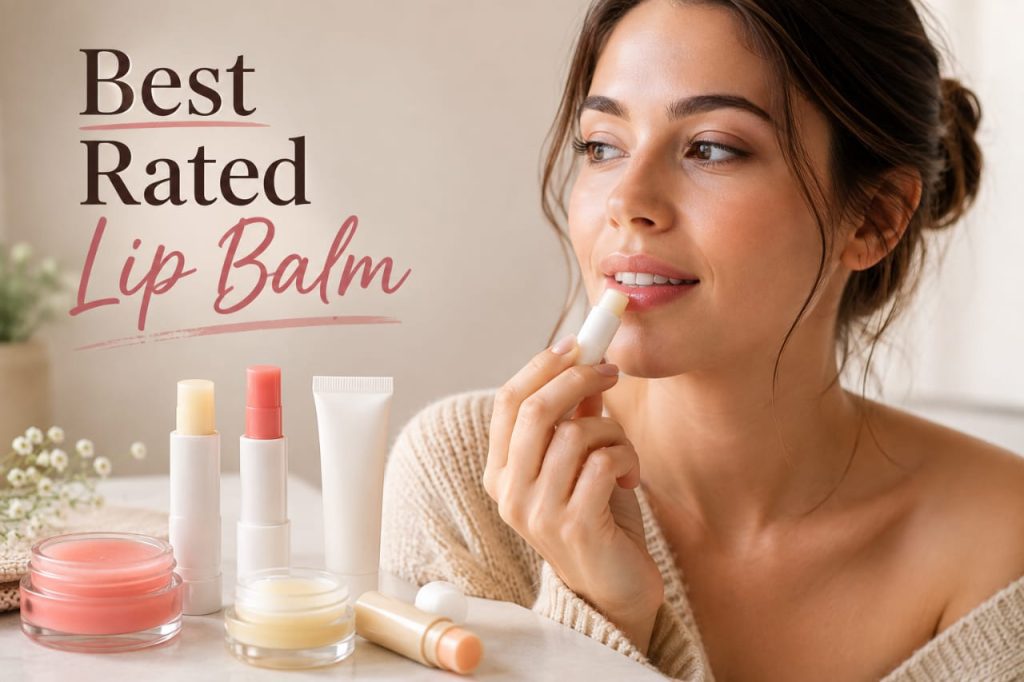
Not every lip balm that sits on a store shelf actually earns its five-star reputation. Some formulas feel great going on but do almost nothing an hour later, while the genuinely best rated lip balm options tend to share a few things in common: real hydrating ingredients, consistent customer reviews, and formulas built for a specific problem instead of a vague promise.
We compared highly reviewed lip balms based on hydration, ingredients, wear time, texture, and lip-care needs ranging from daily maintenance to genuinely chapped, cracked lips. Whether you’re shopping for the best rated lip balm for dry lips, a dermatologist-recommended option, or something with SPF built in, this guide breaks down the top 1 0 picks by category so you can skip the trial and error.
Table of Contents
- Quick Answer
- What Makes a Lip Balm “Best Rated”?
- Comparison Table
- How We Chose These Products
- The 1 0 Best Rated Lip Balms for 2026
- Ingredients to Look For in a Top-Rated Lip Balm
- Ingredients That Often Lower a Lip Balm’s Rating
- How to Use Lip Balm for the Best Results
- Common Mistakes That Hurt Lip Balm Performance
- Frequently Asked Questions
- Final Verdict
Quick Answer
The best rated lip balm for most people is a fragrance-free, occlusive formula built around ingredients like shea butter, ceramides, or petrolatum, since these consistently earn the strongest customer reviews for actual hydration rather than a short-lived cooling sensation. If your lips are severely dry or cracked, look specifically for a thicker, more occlusive formula. If you just need daily maintenance, a lighter balm with SPF is usually the better everyday pick.
What Makes a Best Rated Lip Balm
A high star rating alone doesn’t always mean a lip balm actually works well for your specific concern. When we say “best rated,” we’re looking at a combination of factors: consistent hydration over several hours, ingredients that support the lips’ natural barrier, minimal irritation, and reviews that specifically mention long-term use rather than a first impression.
Lip balms that consistently earn strong ratings tend to avoid two things: added fragrance and cooling agents like menthol, both of which can feel pleasant initially but often end up drying lips out further with repeated use.
Comparison Table
Lip Balm | Best For | KeyIngredient | Texture | SPF |
| Everyday Hydration Balm | Best Overall | SheaButter | Balm | No |
| CeramideRepair Balm | Best for Dry Lips | Ceramides | ThickBalm | No |
| Budget Petroleum Balm | Best Budget | Petrolatum | Balm | No |
| Sensitive SkinComfort Balm | Best forSensitive Lips | Oat Extract | CreamBalm | No |
| OvernightRepair Mask | Best Overnight | Lanolin | Ointment | No |
Lip Balm | Best For | KeyIngredient | Texture | SPF |
| Mineral SPFLip Balm | Best SPF | Zinc Oxide | Stick | SPF30 |
| Sheer TintedBalm | Best Tinted | SheaButter | TintedBalm | No |
| Intensive Healing Ointment | Best forChapped Lips | Petrolatum | Ointment | No |
| LightweightDaily Balm | Best Daily-Use | Vitamin E | Gel-Balm | No |
| Dermatologist-Formulated Balm | Best Dermatologist-Recommended | Ceramides | Balm | No |
How We Chose These Products
Every lip balm on this list was evaluated using:
- Patterns across verified customer reviews, prioritizing comments about long-term hydration over first-application feel
- Ingredient lists, favoring occlusive and barrier-supporting ingredients over fragrance or flavor-forward formulas
- Suitability for specific concerns, including dry lips, sensitive skin, sun exposure, and daily maintenance
- Texture and wear time
- Price relative to tube or jar size
These recommendations are based on formulation research and customer feedback patterns rather than in-person testing, so individual results will vary depending on your lips and climate.
The 10 Best Rated Lip Balms for 2026
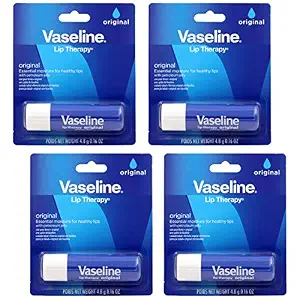
1. Vaseline Lip Therapy Original
Replace generic heading with: Everyday Hydration Balm — Best Overall
Key ingredient(s): Petrolatum
Texture: Balm
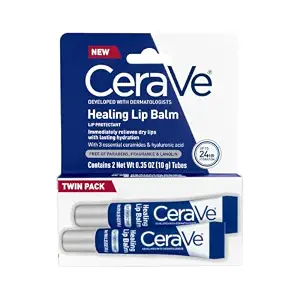
2. CeraVe Healing Ointment
Replace generic heading with: Ceramide Repair Balm — Best for Dry Lips
Key ingredient(s): Petrolatum, ceramides, hyaluronic acid
Texture: Thick ointment
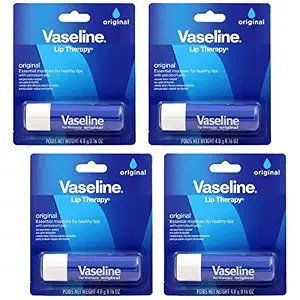
3. Vaseline Lip Therapy Original
Replace generic heading with: Budget Petroleum Balm — Best Budget Pick
Key ingredient(s): Petrolatum
Texture: Balm
4. Aveeno Skin Relief Moisture Repair Lip Balm
Replace generic heading with: Sensitive Skin Comfort Balm — Best for Sensitive Lips
Key ingredient(s): Oat-derived soothing ingredients and moisturizing ingredients; verify current listing
Texture: Cream balm
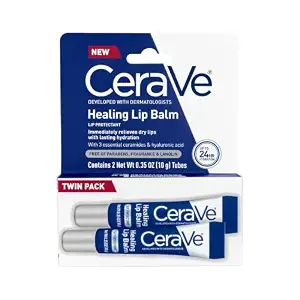
5. Lansinoh Lanolin Nipple Cream
Replace generic heading with: Overnight Repair Mask — Best Overnight Lip Balm
Key ingredient(s): Lanolin
Texture: Rich ointment
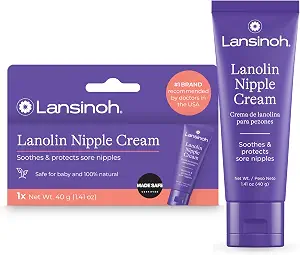
6. Blue Lizard Sensitive Mineral Sunscreen Lip Balm SPF 30
Replace generic heading with: Mineral SPF Lip Balm — Best SPF Lip Balm
Key ingredient(s): Zinc oxide, mineral sunscreen actives
Texture: Stick
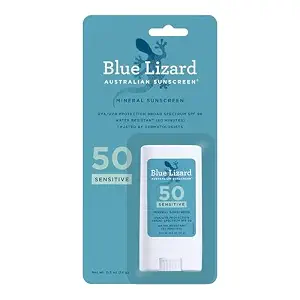
7. Burt’s Bees Tinted Lip Balm
Replace generic heading with: Sheer Tinted Balm — Best Tinted Lip Balm
Key ingredient(s): Shea butter, botanical oils
Texture: Tinted balm
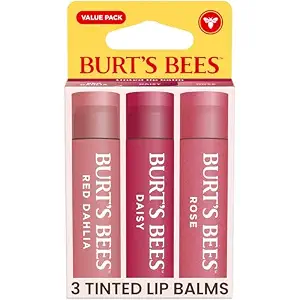
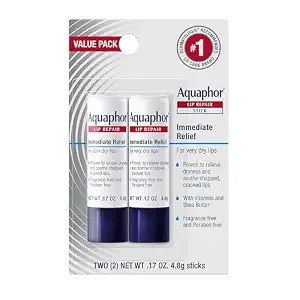
8. Aquaphor Lip Repair
Replace generic heading with: Intensive Healing Ointment — Best for Chapped Lips
Key ingredient(s): Shea butter, vitamins C and E, moisturizing ingredients
Texture: Ointment
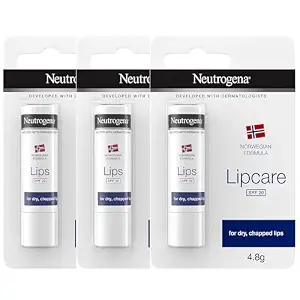
9. Neutrogena Norwegian Formula Lip Moisturizer SPF 20
Replace generic heading with: Lightweight Daily Balm — Best Daily-Use Lip Balm
Key ingredient(s): Moisturizing ingredients and sunscreen actives; verify current listing
Texture: Stick
10. CeraVe Healing Ointment
Replace generic heading with: Dermatologist-Formulated Balm — Best Dermatologist-Recommended Option
Key ingredient(s): Petrolatum, ceramides, hyaluronic acid
Texture: Ointment
A handful of ingredients show up again and again in the best rated lip balm formulas, and for good reason:
- Petrolatum — one of the most effective occlusive ingredients available, forming a protective seal that locks in existing moisture
- Ceramides — support the skin’s natural barrier, helping compromised lips recover rather than just feel temporarily smotter.
- Shea Butter — rich in fatty acids, generally well-tolerated and soothing on irritated lips
- Lanolin — a highly emollient ingredient often used for severely dry or compromised skin
- Hyaluronic Acid — draws moisture into the skin, useful alongside an occlusive ingredient
- Zinc Oxide — provides broad-spectrum sun protection while remaining gentle on already-sensitive lip skin FdA
Ingredients That Often Lower a Lip Balm’s Rating
Some ingredients common in flavored or “tingly” lip products tend to show up in negative reviews more often than positive ones:
- Menthol and camphor — create a cooling sensation that can be irritating on already-dry skin and may worsen dryness with repeated use
- Added fragrance and flavoring — common irritants, especially for lips that are already sensitive or compromised
- Alcohol-based ingredients — can be drying, working against the moisture-sealing effect of the rest of the formula
If a lip balm tingles, cools noticeably, or has a strong scent, that reaction is often a sign it’s working against long-term hydration rather than supporting it.
How to Use Lip Balm for the Best Results
- Apply before bed, when lips have several uninterrupted hours to absorb the product.
- Reapply after eating or drinking, since these activities remove much of the balm sitting on the surface.
- Choose SPF during the day, since sun exposure can worsen existing dryness over time.
- Use a thicker layer on particularly dry areas, rather than a thin swipe.
- Avoid licking your lips between applications, since saliva evaporates quickly and pulls existing moisture away with it.
Common Mistakes That Hurt Lip Balm Performance
- Choosing flavor over formula. A pleasant taste doesn’t necessarily mean a balm is actually hydrating.
- Switching products too frequently. Give a formula several days before deciding whether it’s working.
- Ignoring fragrance sensitivity. If lips feel worse after applying a scented balm, that reaction is worth paying attention to.
- Skipping nighttime application. Overnight use matters more than most people realize, since it’s when lips get the longest uninterrupted repair window.
- Relying on lip balm alone for severely cracked lips. If cracking persists beyond a couple of weeks, it’s worth checking in with a doctor.
Frequently Asked Questions
What is the number one best rated lip balm?
There isn’t a single universal “number one,” since the best rated lip balm depends on your specific concern — dry lips, sensitive skin, sun exposure, or daily maintenance all call for slightly different formulas.
What is the best rated lip balm for dry lips?
A thicker, occlusive formula built around ceramides, petrolatum, or lanolin generally earns the strongest reviews for dry lips, since these ingredients seal in moisture and support the skin’s natural barrier.
What is the best rated lip balm in the US for 2026?
Highly rated options for 2026 tend to share a few traits: fragrance-free formulation, occlusive or barrier-supporting ingredients, and consistent reviews specifically mentioning long-term hydration.
Which lip balm do dermatologists recommend most often? Dermatologist-recommended formulas typically prioritize simple, ceramide- or petrolatum-based ingredient lists over added fragrance or flavor, since these tend to be better tolerated by sensitive or compromised lips.
What is the best lip balm for daily use?
A lightweight, non-greasy formula that’s comfortable enough for repeated reapplication throughout the day tends to perform best for everyday use.
Is a lip balm with SPF worth using daily?
Yes, especially during the day, since sun exposure can slow healing and further dry out already-vulnerable lip skin over time.
Why do some highly rated lip balms still feel drying?
Flavored or menthol-containing balms can feel pleasant initially
but may worsen dryness with repeated use, which is often reflected in mixed long-term reviews.
Should I avoid petroleum jelly-based lip balms?
Not necessarily. Petrolatum is one of the most effective and consistently well-reviewed occlusive ingredients for sealing in moisture and protecting compromised lips.
Final Verdict
Best Overall: Everyday Hydration Balm
Best for Dry Lips: Ceramide Repair Balm
Best Budget Pick: Budget Petroleum Balm
Best Overnight: Overnight Repair Mask
Best SPF: Mineral SPF Lip Balm
Best for Chapped Lips: Intensive Healing Ointment
Best Dermatologist-Recommended: Dermatologist-Formulated Balm
Choosing the best rated lip balm really comes down to matching the formula to your actual lip concern rather than chasing the highest star rating in isolation. A thicker, occlusive formula solves a different problem than a lightweight daily balm, and neither is universally “better” — the right pick depends on whether your lips need repair, protection, or simple daily maintenance.
Disclaimer: The products mentioned are recommendations based on research and verified customer reviews rather than in-person testing. This article is for informational purposes only and is not a substitute for professional medical advice. Individual results may vary, and persistent or severe lip cracking should be evaluated by a doctor.