This post may contain affiliate links. If you purchase through a link on this page, we may earn a small commission at no extra cost to you.
Dry lips sound like a small problem until you’re dealing with them — that tight, flaky feeling by mid-morning, lipstick that won’t sit right, or lips that crack painfully the moment you smile in cold weather. Most people reach for whatever lip balm is closest, and it works for a day, then the dryness comes right back.
Part of the confusion is language. Search “best lip balm for dry lips” and you’ll get dozens of results, but “lip cream” and “lip balm” aren’t always the same thing, and most guides don’t bother explaining the difference. This guide is built specifically for people whose lips need more than a quick swipe of balm — genuinely dry, very dry, cracked, or sensitive lips that need a richer, more deliberate approach.
We compared formulas across texture, key ingredients, SPF availability, fragrance status, and how well each one is suited to different severities of dryness, using published product information and patterns across verified customer feedback rather than in-person testing. Where a product is better suited to mild dryness than severe cracking, or the other way around, we say so directly, because matching the formula to the actual problem matters more than any single “best overall” pick.
Table of Contents
- Quick Answer
- Comparison Table
- How We Chose These ProductsLip
- Cream vs. Lip Balm: What’s the Difference?
- 10 Best Lip Creams for Dry Lips
- Ingredients to Look for in a Lip Cream
- Ingredients to Avoid or Use With Caution
- Best Lip Creams for Sensitive Lips
- Do You Need SPF in a Lip Cream
- Best Lip Creams for Overnight Care
- . How to Use Lip Cream for Best Resul
- When Dry Lips Need More Than Lip Cream
- Frequently Asked Question
- Final Verdict
Quick Answer
For most people, a rich, occlusive lip cream with humectant ingredients like glycerin or hyaluronic acid alongside an occlusive like petrolatum, shea butter, or lanolin is the strongest starting point for genuinely dry lips. If your lips are extremely dry or cracked, prioritize a thicker, more protective formula over a lightweight one, even if the lighter option has better reviews for everyday comfort. If you have sensitive lips or a history of irritation, look specifically for a fragrance-free, simply formulated
option rather than anything with added flavor, mint, or cooling ingredients.
Comparison Table
Lip Cream | Best For | Texture | SPF | Fragrance-Free | Reapply |
| Rich Barrier Formula | Extremely Dry & Cracked Lips | Thick,Occlusive | No | Yes | As needed |
| Everyday Hydrating Formula | Best Overall | Medium,Creamy | No | Yes | 2–3x daily |
| Lightweight Daily Formula | Daytime/UnderMakeup | Lightweight | No | No | After meals |
| SPFProtectiveFormula | Sun Exposure/Outdoor Use | Medium | Yes | No | Every 2 hrs outdoors |
Lip Cream | Best For | Texture | SPF | Fragrance-Free | Reapply |
| Overnight Repair Formula | Overnight Use | Very Thick, Balm-like | No | Yes | Before bed |
| Sensitive-Lip Formula | Sensitive/Reactive Lips | Simple, Creamy | No | Yes | As needed |
| Budget Everyday Formula | Best Budget | Medium | No | No | 2–3x daily |
| Tinted Hydrating Formula | Tinted Preference | Medium,Glossy | No | No | Aftereating/drinking |
| Ceramide Barrier Formula | Barrier Repair | Rich,Creamy | No | Yes | As needed |
| Lanolin-Based Formula | IntenseDryness/Cracking | Very Rich, Dense | No | Yes | As needed |
How We Chose the Best Lip Creams for Dry Lips
None of the lip creams in this guide were personally tested by our team, and we want to be upfront about that. Every pick here was evaluated using:
Officially listed ingredients, checked to identify humectants, emollients, and occlusives relevant to dry-lip care
Published formula details around fragrance status, SPF availability, and intended use (daytime, overnight, sensitive skin)
Patterns across verified customer reviews specifically mentioning dryness relief, longevity, texture, and irritation
Texture and format (tube, stick, or pot) and how each is typically suited to different severities of dryness
Price relative to size
Ingredient claims, fragrance status, and SPF availability can change between product versions, so always confirm the current listing on the retailer or brand page before
purchasing, especially if sensitivity or sun protection is a priority for you.
best lip Cream for dry lips vs. Lip Balm: What’s the Difference?
This is one of the most confusing parts of shopping for dry-lip products, and most guides skip over it entirely. In practice, “lip cream,” “lip balm,” “lip treatment,” and “lip mask” are not strictly standardized categories — brands use these terms somewhat interchangeably, and the label alone doesn’t guarantee a specific texture or strength.
That said, a few general patterns tend to hold:
Lip balm usually refers to a lighter, everyday product meant for quick, frequent reapplication throughout the day.
Lip cream tends to describe a richer, more emollient formula, often packaged in a tube or pot, designed to sit on the lips longer and address more persistent dryness. Lip treatment or lip mask usually signals a more intensive, often overnight, product meant to be left on for an extended period rather than reapplied constantly.
Because the terminology overlaps commercially, the ingredients and texture matter far more than what the product is called. A “lip balm” with a thick, occlusive formula can outperform a “lip cream” with a thin, watery one. Throughout this guide, we focus on what each product actually contains and feels like, rather than relying on the category name on the packaging.
10 Best Lip Creams for Dry Lips
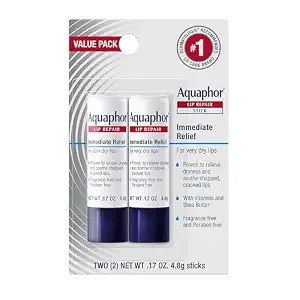
1. Aquaphor Lip Repair
Replace generic heading with: Rich Barrier Formula (Best for Extremely Dry & Cracked Lips)
Key ingredients: Shea butter, vitamins C and E, moisturizing ingredients
Texture: Rich, balm-liker
Fragrance: Fragrance-free
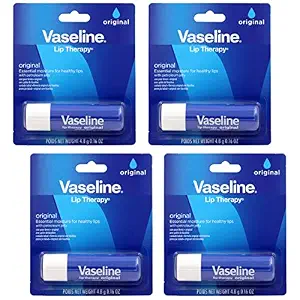
2. Vaseline Lip Therapy Original
Replace generic heading with: Everyday Hydrating Formula (Best Overall)
Key ingredients: Petrolatum
Texture: Medium, balm-like
Fragrance: Verify the current listing for the exact version
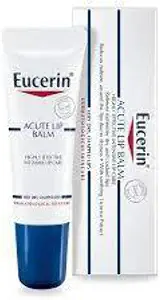
3. Eucerin Aquaphor Lip Repair
Replace generic heading with: Lightweight Daily Formula (Best for Daytime/Under Makeup)
Key ingredients: Moisturizing and barrier-supporting ingredients
Texture: Lightweight to medium
Fragrance: Fragrance-free
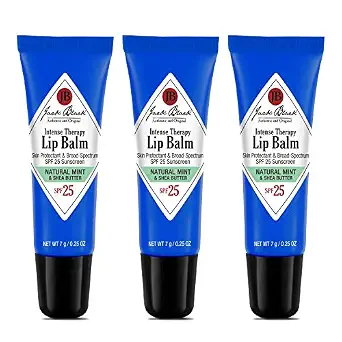
4. Jack Black Intense Therapy Lip Balm SPF 25
Replace generic heading with: SPF Protective Formula (Best with SPF)
Key ingredients: Broad-spectrum SPF 25 sunscreen actives and moisturizing ingredients
Texture: Medium
Fragrance: Verify the current listing for the exact version
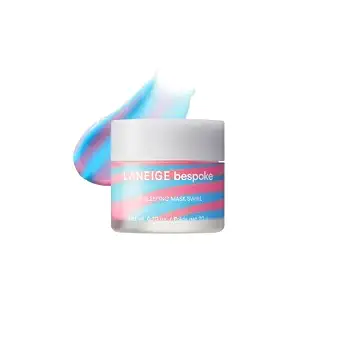
5. Laneige Lip Sleeping Mask
Replace generic heading with: Overnight Repair Formula (Best Overnight)
Key ingredients: Emollient and occlusive moisturizing ingredients; verify current formulation
Texture: Very thick, balm-like
Fragrance: Formulation varies by version/flavor; verify the current listing
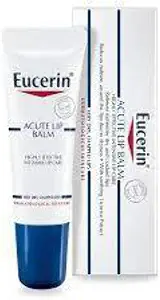
6. La Roche-Posay Cicaplast Lips
Replace generic heading with: Sensitive-Lip Formula (Best for Sensitive Lips)
Key ingredients: Shea butter and barrier-supporting moisturizing ingredients
Texture: Simple, creamy
Fragrance: Fragrance-free
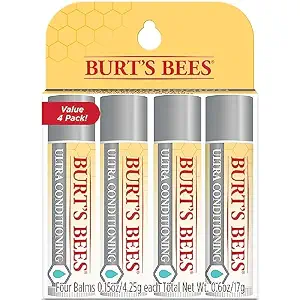
7. Burt’s Bees Beeswax Lip Balm
Replace generic heading with: Budget Everyday Formula (Best Budget)
Key ingredients: Beeswax, nourishing oils, vitamin E
Texture: Medium, firm balm
Fragrance: Many versions contain peppermint flavor; verify the current listing
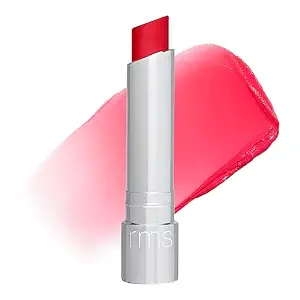
8. RMS Beauty Tinted Daily Lip Balm
Replace generic heading with: Tinted Hydrating Formula (Best Tinted)
Key ingredients: Beeswax, coconut oil, cocoa seed butter, jojoba oil, vitamin E
Texture: Medium, balm-like
Fragrance: Fragrance-free and flavor-free according to the listed product information
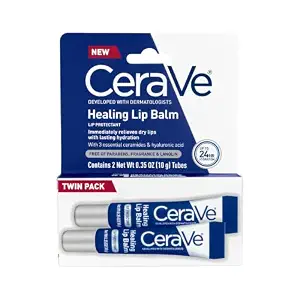
9. CeraVe Healing Ointment
Replace generic heading with: Ceramide Barrier Formula (Best for Barrier Repair)
Key ingredients: Petrolatum, ceramides, hyaluronic acid
Texture: Rich, creamy ointment
Fragrance: Fragrance-free
10. Lansinoh Lanolin Nipple Cream
Replace generic heading with: Lanolin-Based Formula (Best for Intense Dryness)
Key ingredients: Lanolin
Texture: Very rich, dense
Fragrance: Fragrance-free
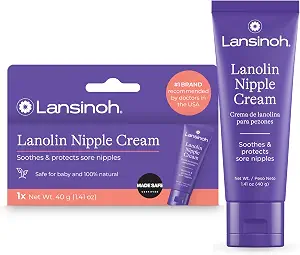
10. Lanolin-Based Formula (Best for Intense Dryness)
Best for: Very dry, cracked, or persistently peeling lips that haven’t responded well to lighter formulas.
Why it stands out: A dense, lanolin-based formula built to form a protective layer and support moisture retention on already-compromised lips.
Key ingredients: Lanolin, vitamin E.
Texture: Very rich, dense.
Fragrance: Free.
What to consider: Lanolin can be a sensitizer for a small number of people, so those with known lanolin sensitivity should choose an alternative.
Who may want another option: If you’re unsure about lanolin tolerance, the Rich Barrier Formula offers similar intensity using petrolatum and shea butter instead.
👉 [AMAZON LINK — PASTE HERE ONCE APPROVED]
Ingredients to Look for in a Lip Cream
Not all “hydrating” ingredients work the same way. Understanding the basic categories makes it much easier to judge whether a formula will actually help your specific level of dryness.
Glycerin — Humectant. Helps draw moisture into the skin’s surface.
Hyaluronic acid — Humectant. Holds many times its weight in water, helping lips feel plumper and less tight.
Petrolatum — Occlusive. Forms a protective layer that helps reduce moisture loss, making it especially useful for cracked or peeling lips.
Shea butter — Emollient. Helps soften and smooth rough, dry skin.
Lanolin — Emollient/occlusive. Mimics the skin’s natural lipids and provides a rich, protective layer, though it isn’t tolerated by everyone.
Ceramides — Barrier-support. Help reinforce the skin’s natural barrier, which is often weakened in chronically dry lips.
Dimethicone — Occlusive. Helps lock in moisture and smooth texture without feeling greasy.
Panthenol (Vitamin B5) — Soothing/humectant. Helps lips feel moisturized and calm, often included in sensitive-formula products.
Squalane — Emollient. Lightweight oil that softens skin without a heavy residue.
For most dry-lip concerns, a formula combining at least one humectant with one occlusive tends to perform better than a single-ingredient approach, since the humectant draws in moisture while the occlusive helps keep it there.
Ingredients to Avoid or Use With Caution
Several ingredients show up repeatedly in dry-lip complaints, particularly for lips that are already cracked, peeling, or irritated. None of these are universally harmful, but they’re worth using cautiously if your lips are reactive.
Fragrance and added flavor — A common source of irritation, especially on already-compromised skin.
Menthol and camphor — Can create a cooling or tingling sensation that some people find temporarily soothing, but that same effect can worsen dryness and irritation
with repeated use.
Cinnamon or peppermint flavoring — Similar tingling effect to menthol; can be irritating on cracked or sensitive lips.
Strong exfoliating actives — Not usually necessary for basic dryness and can aggravate lips that are already peeling.
Salicylic acid in high concentrations — More relevant to blemish-focused lip products; generally unnecessary and potentially irritating for dry, cracked lips.
If a product causes stinging, burning, or worsening irritation, stop using it and switch to a simpler, fragrance-free formula rather than continuing to push through the
discomfort.
Best Lip Creams for Sensitive Lips
Sensitive or reactive lips need a different shopping approach than average dryness. A few things to prioritize:
Fragrance-free formulas rather than “unscented,” which can sometimes still contain masking fragrance
Short, simple ingredient lists over long, multi-ingredient formulas
Avoiding known personal triggers — if a specific ingredient has caused irritation before, check the label before buying again
Patch-testing a new product on a small area before applying it to already-irritated lips
Discontinuing use immediately if stinging, burning, or swelling occurs, rather than waiting to see if it improves
The Sensitive-Lip Formula above is built specifically around these principles, but any fragrance-free, ceramide- or panthenol-based option from this list is a reasonable starting point for reactive lips.
Do You Need SPF in a Lip Cream?
Lips have thinner skin than the rest of the face and produce very little natural
melanin, which makes them more vulnerable to sun damage and, over time, dryness caused by UV exposure. If you spend meaningful time outdoors during the day, an SPF lip product is worth adding to your routine.
That said, SPF isn’t necessary for every use case:
Daytime outdoor use: An SPF lip cream is genuinely useful and should be reapplied roughly every two hours, similar to sunscreen elsewhere on the body.
Indoor daytime use: SPF is less critical, though it doesn’t hurt.
Nighttime or overnight use: SPF isn’t needed; prioritize a richer, non-SPF formula instead, since the goal at night is barrier repair rather than sun protection.
If SPF is a priority, treat it as its own selection criterion rather than assuming every “dry lip” product includes it — many of the richest, most occlusive overnight formulas don’t contain sun protection at all.
Best Lip Creams for Overnight Care
Overnight is often the most effective window for repairing dry or cracked lips, since there’s no eating, talking, or reapplying to interrupt the product’s contact with your skin. A few practical guidelines:
Choose a thicker, more occlusive formula than you’d use during the day — this is not the time for a lightweight, fast-absorbing product
Apply a slightly heavier layer than your daytime routine, since it only needs to go on once
Avoid fragranced or flavored formulas at night, since irritation from an overnight product has many more hours to develop than a daytime one
Give it time — visible improvement from a consistent overnight routine often takes several nights rather than a single use
The Overnight Repair Formula and Lanolin-Based Formula above are both well-suited to this kind of extended, uninterrupted application.
How to Use Lip Cream for Best Results
Getting consistent results from a lip cream has almost as much to do with how you apply it as which product you choose.
- Apply to slightly damp lips when possible, since this helps the product seal in existing moisture rather than sitting on top of dry skin.
- Use a generous layer for very dry or cracked lips rather than a thin swipe, especially with occlusive formulas.
- Reapply after eating, drinking, or excessive lip-licking, since these are common ways product gets removed throughout the day.
- Add SPF during the day if you’ll be outdoors, and switch to a richer, non-SPF formula at night.
- Avoid picking or peeling flaking skin, which can worsen cracking and slow healing — let the moisturizing formula soften it naturally instead.
- Reassess after one to two weeks if a formula doesn’t seem to be helping, rather than assuming more of the same product will eventually work.
When Dry Lips Need More Than Lip Cream
Most cases of dry, chapped, or mildly cracked lips respond well to a consistent routine with the right formula. That said, there are situations where a cosmetic product alone may not be enough:
Dryness that persists for several weeks despite consistent use of a good lip cream
Cracking that is painful, bleeding, or not improving
Swelling, rash, or spreading irritation around the mouth
Dryness that seems connected to a broader skin condition or recent medication change
In these situations, it’s worth checking in with a dermatologist or doctor rather than continuing to try different over-the-counter products, since persistent or worsening symptoms can sometimes point to something beyond ordinary dryness.FDA
Frequently Asked Questions
What is the best lip cream for dry lips?
A formula that combines a humectant ingredient like glycerin with an occlusive like petrolatum or shea butter tends to work best for most people, since it both draws in and locks in moisture.
What is the difference between lip cream and lip balm?
The terms overlap commercially, but lip cream generally refers to a richer, more emollient formula, while lip balm often describes a lighter, more frequently reapplied product. Ingredients and texture matter more than the label itself.
What is the best lip product for very dry lips?
A thick, occlusive-heavy formula — such as one built around petrolatum, shea butter, or lanolin — is generally better suited to very dry or cracked lips than a lightweight daily balm.
Can lip balm make dry lips worse?
Certain ingredients, particularly menthol, camphor, and added fragrance, can create a temporary cooling sensation that some people mistake for relief, but repeated use can actually worsen dryness and irritation over time.
What ingredients should I avoid if I have dry, cracked lips?
Fragrance, menthol, camphor, and strong flavoring are the most common irritants worth avoiding, especially on lips that are already cracked or peeling.
How often should I apply lip cream?
Most people benefit from reapplying two to three times during the day, plus one heavier application before bed. Very dry or cracked lips may need more frequent reapplication.
Is SPF necessary in a lip cream?
SPF is genuinely useful for daytime outdoor exposure, since lips are vulnerable to sun damage, but it isn’t necessary for indoor use or overnight application.
What is the best lip cream for sensitive lips?
A fragrance-free, simply formulated option built around soothing ingredients like panthenol or ceramides tends to be the safest starting point for reactive or sensitive lips.
Is lanolin good for dry lips?
Lanolin can be highly effective for intense dryness because of its rich, protective properties, but a small number of people are sensitive to it, so those with a known sensitivity should choose a petrolatum- or shea-based alternative instead.
Should I use lip cream before bed?
Yes — nighttime application allows a richer formula to work uninterrupted for several hours, which often makes overnight use one of the most effective parts of a dry-lip routine.
Final Verdict
Best Overall: Everyday Hydrating Formula
Best for Extremely Dry & Cracked Lips: Rich Barrier Formula
Best with SPF: SPF Protective Formula
Best Overnight: Overnight Repair Formula
Best for Sensitive Lips: Sensitive-Lip Formula
Best Budget: Budget Everyday Formula
Best Tinted: Tinted Hydrating Formula
Best for Barrier Repair: Ceramide Barrier Formula
Best for Intense Dryness: Lanolin-Based Formula
Best for Daytime/Under Makeup: Lightweight Daily Formula
The right lip cream for you really comes down to matching the formula to what your
lips actually need — mild daily upkeep, intensive overnight repair, sun protection, or a gentler option for reactive skin. Once you know which category fits your situation, the rest of the decision is mostly about texture preference and whether you want added SPF or tint.
Disclaimer: The products mentioned are recommendations based on research and verified customer reviews rather than in-person testing. Individual results may vary based on lip condition, formula sensitivity, climate, and application technique. This article is not a substitute for professional medical advice.