This post may contain affiliate links. If you purchase through a link on this page, we may earn a small commission at no extra cost to you.
Finding the best lip products for dry lips shouldn’t mean trying five different balms before one actually works. Part of the problem is that “lip balm” gets treated as the only category worth searching, when a balm, a moisturizer, an overnight mask, and a
medicated ointment are genuinely different tools for genuinely different levels of dryness. If your lips are mildly dry, a light everyday balm is probably fine. If they’re cracked, peeling, or painfully chapped, the same light balm likely won’t cut it.
This guide covers the full range — balms, moisturizers, treatments, and overnight masks — organized around your actual problem rather than a single “best overall” pick. We’ll walk through what ingredients genuinely help, which formula fits which type of dryness, and 10 specific picks by use case, based on published product information and patterns across verified customer feedback rather than in-person testing.
Table of Contents
- Best Lip Products for Dry Lips: Quick Comparison
- How We Chose These Products
- What Ingredients Actually Help Dry Lips?
- Lip Balm vs. Lip Moisturizer vs. Lip Treatment vs. Lip Mask
- 1 0 Best Lip Products for Dry Lips
- Choosing the Right Product for Your Type of Dryness
- Ingredients to Avoid or Use With Caution
- Why Do Lips Get Dry and Chapped?
- Do You Need SPF for Dry Lips?
- How Often Should You Apply a Lip Product?
- When Dry Lips Need More Than a Lip Product
- Frequently Asked Questions
- Final Verdict
Best Lip Products for Dry Lips: Quick Comparison
Product | Best For | Type | Texture | SPF | Fragrance-Free | Price |
| Everyday Hydrating Formula | Best Overall | Balm | Medium,Creamy | No | Yes | $ |
| Budget Everyday Formula | BestBudget/Drugstore | Balm | Medium | No | No | $ |
| Rich Barrier Formula | Extremely Dry Lips | Ointment | Thick,Occlusive | No | Yes | $$ |
| Ceramide Repair Formula | Chapped &Cracked Lips | Treatment | Rich,Creamy | No | Yes | $$ |
| Lightweight Moisturizer | Best Lip Moisturizer | Moisturizer | Lightweight | No | No | $ |
| Overnight Mask Formula | Best Overnight Treatment | Mask | Very Thick, Balm-like | No | Yes | $$ |
| SPFProtectiveFormula | Best with SPF | Balm | Medium | Yes | No | $$ |
| Sensitive-Lip Formula | Best for Sensitive Lips | Balm | Simple, Creamy | No | Yes | $$ |
Product | Best For | Type | Texture | SPF | Fragrance-Free | Price |
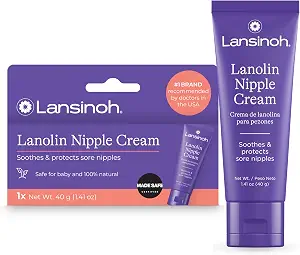
| Lanolin-Based Formula | Under $1 0 | Balm | Very Rich, Dense | No | Yes | $ |
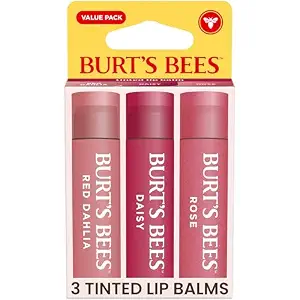
| Tinted Hydrating Formula | Daily Use/Under Makeup | TintedBalm | Medium,Glossy | No | No | $$ |
Prices, SPF filters, and fragrance status should be verified on the current retailer listing before publishing, since formulas can change between product versions.
How We Chose best lip products for dry lips
None of the products in this guide were personally tested by our team, and we want to be upfront about that. Every pick here was evaluated using:
Officially listed ingredients, checked to identify humectants, emollients, and occlusives relevant to dry-lip care
Published formula details around fragrance status, SPF availability, and intended use (daytime, overnight, sensitive skin)
Patterns across verified customer reviews specifically mentioning dryness relief, longevity, texture, and irritation
Product type and format (balm, ointment, moisturizer, or overnight mask) and how each is typically suited to different severities of dryness
Price relative to size and expected use
Ingredient lists, fragrance status, and SPF availability can change between product versions, so always confirm the current listing before purchasing, especially if sensitivity or sun protection matters to you.
What Ingredients Actually Help Dry Lips?
Before comparing products, it helps to understand the three basic mechanisms behind any effective lip product, since this is what actually separates a formula that works from one that doesn’t.
Humectants draw moisture in. Ingredients like glycerin, hyaluronic acid, and aloe vera pull water toward the skin’s surface, which is why they’re common in lightweight, everyday formulas.
Emollients soften and smooth. Shea butter, squalane, and plant oils fill in the tiny gaps in dry, rough skin, making lips feel smoother almost immediately.
Occlusives seal moisture in. Petrolatum, beeswax, and lanolin form a physical barrier on the surface of the lips that slows water loss, which is why they’re the backbone of richer, longer-lasting formulas for cracked or very dry lips.
A formula relying only on humectants can actually leave lips feeling drier over time in
low-humidity conditions, since there’s nothing pulling moisture from the air if there isn’t much moisture around to begin with. That’s part of why most of the products worth recommending combine at least one humectant with an occlusive or emollient, rather than leaning on a single ingredient type. Some formulas also include ceramides or panthenol, which support the skin’s natural barrier and are especially useful for lips that stay chronically dry despite regular moisturizing.
Lip Balm vs. Lip Moisturizer vs. Lip Treatment vs. Lip Mask
This is one of the most confusing parts of shopping for lip products for dry lips, and most guides don’t bother explaining it. In practice, these terms aren’t strictly
standardized categories — brands use them fairly interchangeably, and the label alone doesn’t guarantee a specific texture or strength. That said, a few general patterns tend to hold:
| Product Type | Typical Use | Best For |
Lip balm | Frequent, everyday reapplication | Mild to moderate dryness |
| Lip moisturizer | Daily hydration, often lighter | Everyday maintenance |
| Liptreatment/ointment | Targeted, intensive repair | Very dry, cracked, or peeling lips |
Lip mask | Extended, uninterrupted wear (usually overnight) | Intensive overnight recovery |
Because the terminology overlaps commercially, the ingredients and texture matter far more than what the product is called on the packaging. A “lip balm” with a thick,
occlusive formula can outperform a “lip treatment” with a thin, watery one. Throughout
this guide, we focus on what each product actually contains and feels like, rather than relying on category names.
10 Best Lip Products for Dry Lips
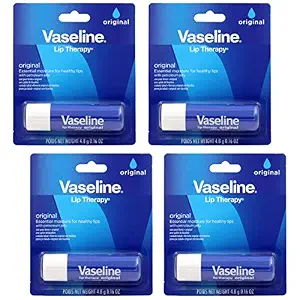
1. Everyday Hydrating Formula (Best Overall)
Real Amazon Product: Vaseline Lip Therapy Original Petroleum Jelly
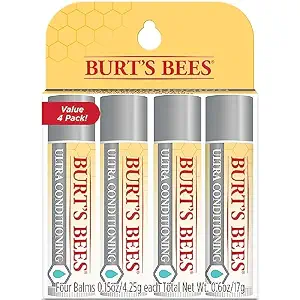
2. Budget Everyday Formula (Best Budget/Drugstore)
Real Amazon Product: Burt’s Bees Beeswax Lip Balm with Vitamin E & Peppermint
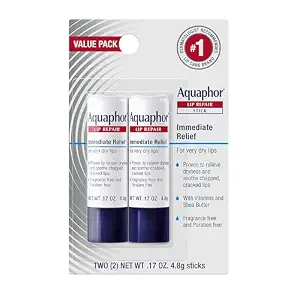
3. Rich Barrier Formula (Best for Extremely Dry Lips)
Real Amazon Product: Aquaphor Lip Repair Ointment
4. Ceramide Repair Formula (Best for Chapped & Cracked Lips)
Real Amazon Product: CeraVe Healing Ointment
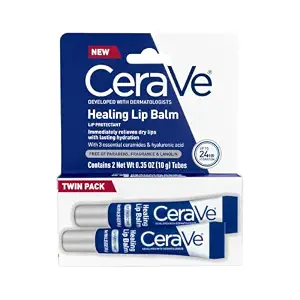
5. Lightweight Moisturizer (Best Lip Moisturizer
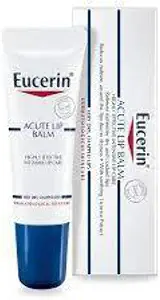
6. Overnight Mask Formula (Best Overnight Treatment)
Real Amazon Product: LANEIGE Lip Sleeping Mask
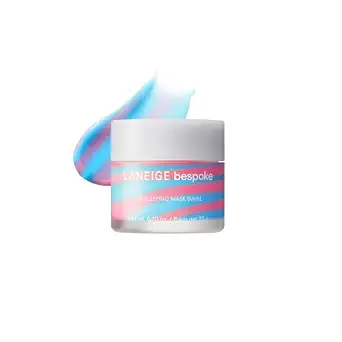
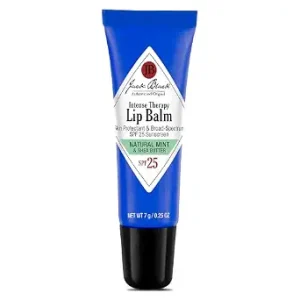
7. SPF Protective Formula (Best with SPF)
Real Amazon Product: Jack Black Intense Therapy Lip Balm SPF 25
8. Sensitive-Lip Formula (Best for Sensitive Lips)
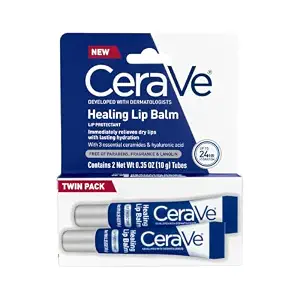
Real Amazon Product: La Roche-Posay Cicaplast Lips Barrier Repairing Balm
9. Lanolin-Based Formula (Best Under $10)
Real Amazon Product: Lansinoh Lanolin Nipple Cream
10. Tinted Hydrating Formula (Best for Daily Use/Under Makeup)
Real Amazon Product: Burt’s Bees Tinted Lip Balm
There isn’t one best lip product for everyone — the right pick depends on how dry your lips actually are and what you need day to day.
| Your Lips Are… | Choose… |
| Mildly dry | Lightweight moisturizer or everyday balm |
| Very dry or cracked | Rich, occlusive ointment or treatment |
| Peeling | Simple, fragrance-free formula; avoid picking at flakes |
| Sensitive/reactive | Fragrance-free, short ingredient list |
| Sun-exposed outdoors | SPF balm, reapplied every two hours |
| Dry overnight | Thick, occlusive mask or ointment before bed |
| Dry in winter/cold weather | Rich, occlusive formula with beeswax or shea butter |
| Wanting color + hydration | Tinted, moisturizing balm |
Ingredients to Avoid or Use With Caution
Several ingredients show up repeatedly in dry-lip complaints, particularly for lips that are already cracked, peeling, or irritated. None of these are universally harmful, but they’re worth using cautiously if your lips are reactive.
Fragrance and added flavor — A common source of irritation, especially on already-compromised skin.
Menthol and camphor — Can create a cooling or tingling sensation that some people find temporarily soothing, but that same effect can worsen dryness and irritation with repeated use.
Cinnamon or peppermint flavoring — Similar tingling effect to menthol; can be irritating on cracked or sensitive lips.
Strong exfoliating actives — Not usually necessary for basic dryness and can aggravate lips that are already peeling.
Certain chemical sunscreen filters — Can be irritating for some people; a mineral SPF formula is worth considering if you have sensitive lips.
If a product causes stinging, burning, or worsening irritation, stop using it and switch to a simpler, fragrance-free formula rather than continuing to push through the discomfort.
Why Do Lips Get Dry and Chapped?
Lips dry out faster than the rest of your face because the skin is thin and doesn’t have oil glands, meaning it can’t produce its own protective layer of natural oils. A few common contributors:
Cold, dry, or windy weather, which strips moisture from the lips faster than it can be replaced
Indoor heating, which lowers humidity in the air during colder months
Sun exposure, which can dry and damage the thin skin on the lips over time
Lip licking, biting, or picking, which feels temporarily soothing but often makes dryness worse
Dehydration, since lips reflect overall hydration levels along with the rest of the body
Mouth breathing, especially overnight, which dries lips out while you sleep
Certain medications, which can list dry lips as a side effect
Understanding the cause behind your dryness can help you pick the right product — someone dealing with wind and cold weather needs a different formula than someone whose lips are dry mainly from sun exposure or dehydration. For general background on skin barrier function and dryness, MedlinePlus is a reliable starting point.
Do You Need SPF for Dry Lips?
Lips have thinner skin than the rest of the face and produce very little natural melanin, which makes them more vulnerable to sun damage and, over time, dryness caused by UV exposure. If you spend meaningful time outdoors during the day, an SPF lip product is worth adding to your routine.
That said, SPF isn’t necessary for every use case:
- Daytime outdoor use: An SPF lip balm is genuinely useful and should be reapplied roughly every two hours, similar to sunscreen elsewhere on the body.
Indoor daytime use: SPF is less critical, though it doesn’t hurt.
- Nighttime or overnight use: SPF isn’t needed; prioritize a richer, non-SPF formula instead, since the goal at night is barrier repair rather than sun protection.
How Often Should You Apply a Lip Product?
Getting consistent results has almost as much to do with how and when you apply a product as which one you choose.
- Apply to slightly damp lips when possible, since this helps the product seal in existing moisture rather than sitting on top of dry skin.
- Use a generous layer for very dry or cracked lips rather than a thin swipe, especially with occlusive formulas.
- Reapply after eating, drinking, or excessive lip-licking, since these are common ways product gets removed throughout the day.
- Add SPF during the day if you’ll be outdoors, and switch to a richer, non-SPF formula at night.
- Avoid picking or peeling flaking skin, which can worsen cracking and slow healing
— let the moisturizing formula soften it naturally instead.
- Reassess after one to two weeks if a product doesn’t seem to be helping, rather than assuming more of the same formula will eventually work.
Most people do well applying a lip product two to three times during the day, plus one heavier application before bed. Very dry or cracked lips may need more frequent reapplication until the skin has recovered.
When Dry Lips Need More Than a Lip Product
Most cases of dry, chapped, or mildly cracked lips respond well to a consistent routine with the right formula. That said, there are situations where a cosmetic product alone may not be enough:
Dryness that persists for several weeks despite consistent use of a good lip product
Cracking that is painful, bleeding, or not improving
Swelling, rash, or spreading irritation around the mouth
Dryness that seems connected to a broader skin condition or recent medication change
In these situations, it’s worth checking in with a dermatologist or doctor rather than continuing to try different over-the-counter products. Organizations like the American Academy of Dermatology note that persistent lip dryness or cracking that doesn’t respond to basic care is worth having evaluated, since it can occasionally point to something beyond ordinary dryness.
Frequently Asked Questions
(Add these to Rank Math’s FAQ block for rich-snippet eligibility — do not leave as plain text only.)
What are the best lip products for dry lips?
A combination of humectants like glycerin, emollients like shea butter, and occlusives like petrolatum tends to work best, with the right texture depending on how severe the dryness is.
What is the best lip product for extremely dry lips?
A thick, occlusive-heavy formula — such as an ointment or treatment built around petrolatum, shea butter, or lanolin — is generally better suited to very dry or cracked lips than a lightweight everyday balm.
Is lip balm the same as lip moisturizer?
Not exactly — the terms overlap commercially, but lip moisturizer is the broader functional term, while lip balm usually refers to a lighter, more frequently reapplied product. Ingredients and texture matter more than the label itself.
Can lip balm make your lips drier?
Certain ingredients, particularly menthol, camphor, and added fragrance, can create a temporary cooling sensation that some people mistake for relief, but repeated use can actually worsen dryness and irritation over time.
What ingredients should I avoid for dry, chapped lips?
Fragrance, menthol, camphor, and strong flavoring are the most common irritants worth avoiding, especially on lips that are already cracked or peeling.
How often should you apply a lip product for dry lips?
Most people benefit from reapplying two to three times during the day, plus one heavier application before bed. Very dry or cracked lips may need more frequent reapplication.
Do you need SPF on your lips?
SPF is genuinely useful for daytime outdoor exposure, since lips are vulnerable to sun damage, but it isn’t necessary for indoor use or overnight application.
What is the best lip product for sensitive lips?
A fragrance-free, simply formulated option built around soothing ingredients like panthenol or ceramides tends to be the safest starting point for reactive or sensitive lips.
What is the best overnight treatment for dry lips?
A rich, occlusive mask or ointment applied before bed allows the formula to work uninterrupted for several hours, which often makes overnight use one of the most effective parts of a dry-lip routine.
What is the best lip product for chapped, cracked lips?
A ceramide- or petrolatum-based treatment that supports the skin’s barrier while sealing in moisture tends to perform best for lips that are already cracked or peeling.
Final Verdict
🥇 Best Overall: Everyday Hydrating Formula
💰 Best Budget/Drugstore: Budget Everyday Formula
🔥 Best for Extremely Dry Lips: Rich Barrier Formula
🧴 Best for Chapped & Cracked Lips: Ceramide Repair Formula
💧 Best Lip Moisturizer: Lightweight Moisturizer
🌙 Best Overnight Treatment: Overnight Mask Formula
☀ Best with SPF: SPF Protective Formula
🌿 Best for Sensitive Lips: Sensitive-Lip Formula
🐑 Best Under $1 0: Lanolin-Based Formula
💋 Best for Daily Use/Under Makeup: Tinted Hydrating Formula
The best lip products for dry lips aren’t a single winner — they’re a small toolkit matched to what your lips actually need on a given day: a light balm for everyday upkeep, a richer ointment when things get cracked, and an SPF option for time outdoors. Once you know which category fits your situation, the rest of the decision comes down to texture, fragrance preference, and budget.
For more on building out a complete lip-care routine, our guides to the best lip
moisturizer and best lip creams for dry lips cover two other angles that pair naturally with the picks above.
Disclaimer: The products mentioned are recommendations based on research and verified customer reviews rather than in-person testing. Individual results may vary based on lip condition, formula sensitivity, climate, and application technique. This article is not a substitute for professional medical advice.