This post may contain affiliate links. If you purchase through a link on this page, we may earn a small commission at no extra cost to you, as an Amazon Associate.
If you’ve started looking for the best non toxic face moisturizer, you’ve probably noticed the problem fast: almost every product on the shelf calls itself “clean,” “natural,” or “non-toxic,” and none of those words are actually regulated. There’s no FDA category called “non-toxic,” so two brands can use the exact same label while screening ingredients in completely different ways.
So instead of just listing products that market themselves as clean, we compared five EWG Verified moisturizers by their actual ingredient disclosures, skin-type fit, fragrance status, and price per ounce — and we’re upfront about what “non-toxic” can and can’t tell you.
Table of Contents
- Quick Answer
- What “Non-Toxic” Actually Means (and Doesn’t)
- Comparison Table
- How We Evaluated These Products
- 5 Best Non-Toxic Face Moisturizers
- Ingredients Worth Understanding
- Which One Fits Your Skin Type?
- Is “Chemical-Free” Skincare a Real Thing?
- Frequently Asked Questions
- Final Verdict
Quick Answer
The best non toxic face moisturizer is one that’s transparent about its full ingredient list, avoids undisclosed fragrance and the preservatives most commonly flagged for sensitivity, and carries independent verification — such as the EWG VERIFIED mark — rather than relying only on a brand’s own “clean” claim. For most people, a fragrance-free, EWG Verified moisturizer with simple humectant and barrier-support ingredients (like hyaluronic acid and ceramides) is a safe starting point; the right pick after that depends mainly on whether your skin runs dry, oily, acne-prone, or sensitive.
What “Non-Toxic” Actually Means (and Doesn’t)
This is worth getting straight before you buy anything. “Non-toxic” is not a standardized cosmetic category in the U.S. — a brand can put it on a label with no third-party review at all. “Natural” doesn’t automatically mean gentler, either: poison ivy is natural, and plenty of synthetic ingredients (like many ceramides and hyaluronic acid formulations) are extensively studied and well tolerated.
For this guide, we treat best non toxic face moisturizer as an editorial shorthand, not a safety guarantee, and we lean on one specific, checkable signal: the EWG VERIFIED mark, issued by the Environmental Working Group for products that disclose their full ingredient list and avoid EWG’s specific list of chemicals of concern. That’s a real, independently audited standard — but it’s still one organization’s criteria, not a universal definition of “safe,” and it doesn’t mean a product will work for every skin type.
Comparison Table
| Product | Best For | Key Ingredients | Fragrance | Size | EWG Verified |
|---|---|---|---|---|---|
| Honest Beauty Hydrogel Cream | Best Overall | Hyaluronic Acid, Squalane | None added | 1.7 fl oz | Yes |
| HygieneLab Face Moisturizer | Best for Dry Skin | Ceramides, Hyaluronic Acid, Squalane | None added | 1.7 fl oz | Yes |
| cleanjourney Blemish Face Moisturizer | Best for Acne-Prone/Oily Skin | Niacinamide, Zinc PCA | None added | 1.7 fl oz | Yes |
| Well People Fresh Dew Gel-Cream | Best for Combination Skin | Hyaluronic Acid, Niacinamide, Snow Mushroom | Low/natural scent | ~2 fl oz | Yes |
| ATTITUDE Face & Body Lotion | Best Budget | Shea Butter, Watercress Extract | Naturally scented | 16 fl oz | Yes |
How We Evaluated These Products
We used the following criteria rather than relying on brand marketing copy:
- Independent verification — we prioritized products carrying the EWG VERIFIED mark over products that only use the word “non-toxic” in their own listing copy
- Ingredient transparency — a full, legible ingredient list, with fragrance status clearly stated
- Skin-type suitability — matching formula weight and key actives to dry, oily, acne-prone, combination, and budget-conscious shoppers separately, rather than calling one product “best for everyone”
- Price per ounce — because a $17 bottle and a $27 bottle aren’t comparable without knowing the size
- Current availability — all five are currently listed on Amazon at the time of writing; always check the current price and stock before buying, since formulas and availability can change
We did not treat a product’s “clean beauty” branding as evidence on its own — the EWG Verified mark and the actual disclosed ingredient list carried the most weight.
5 Best Non Toxic Face Moisturizer
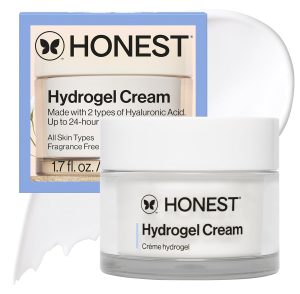
1. Honest Beauty Hydrogel Cream — Best Overall
Overview: A lightweight, water-based hydrogel formula built around hyaluronic acid and squalane, designed to hydrate without a heavy or greasy feel.
Key Features: EWG Verified, fragrance-free, vegan, dermatologist tested, hypoallergenic.
Pros: No added fragrance, simple formula that works across most skin types, widely reviewed with a largely positive rating pattern.
Cons: Hydrogel textures absorb quickly but may not feel rich enough on its own for very dry or flaking skin in cold, dry climates
Best For: Anyone wanting a reliable, broadly suitable non-toxic daily moisturizer to start with.
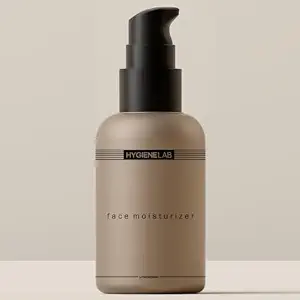
2. HygieneLab Face Moisturizer — Best for Dry Skin
Overview: A richer cream built around a ceramide complex, hyaluronic acid, and squalane, aimed at daily hydration for normal, dry, combination, and sensitive skin.
Key Features: EWG Verified, unscented, ceramide-forward barrier-support formula.
Pros: Ceramides specifically support the skin barrier, which matters more for dry or compromised skin than humectants alone; non-greasy despite the richer ingredient list.
Cons: Higher price per ounce than several picks on this list; small 1.7 fl oz size means it won’t last as long for daily double use
Best For: Dry, flaky, or barrier-compromised skin that needs more than a lightweight gel.
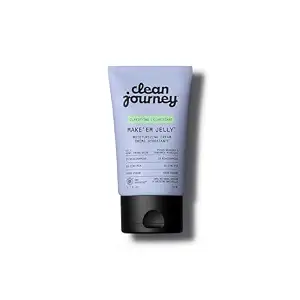
3. cleanjourney Blemish Face Moisturizer — Best for Acne-Prone/Oily Skin
Overview: A lightweight gel-cream built around niacinamide and zinc PCA, positioned specifically for acne-prone and oily skin rather than as a general all-skin-types product.
Key Features: EWG Verified, fragrance-free, dermatologically tested, niacinamide + zinc PCA combination.
Pros: Fills a gap most “clean beauty” roundups skip — a genuinely lightweight, non-comedogenic-leaning option aimed at oily and blemish-prone skin rather than just dry skin.
Cons: Niacinamide can cause mild irritation in a small subset of users, especially if layered with other active ingredients; patch-test if you’re using multiple actives already.
Best For: Oily or acne-prone skin that needs hydration without added richness or shine.
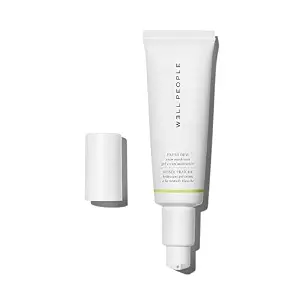
4. Well People Fresh Dew Snow Mushroom Gel-Cream — Best for Combination Skin
Overview: A gel-cream moisturizer built around hyaluronic acid, niacinamide, and snow mushroom extract, designed to plump and hydrate without feeling heavy
Key Features: EWG Verified, vegan, cruelty-free, gel-cream texture.
Pros: Lightweight enough for combination or normal skin, plumping hydration without an oily finish.
Cons: Some reviewers note it can interact with makeup application (pilling) for certain routines, and it isn’t fully fragrance-free, so fragrance-sensitive users should check the current ingredient list first.
Best For: Combination or normal skin wanting a dewy, lightweight daily moisturizer.
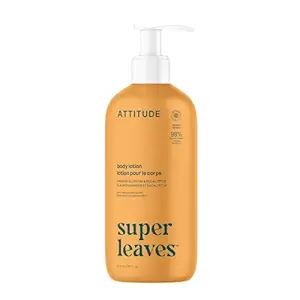
5. ATTITUDE Face & Body Lotion — Best Budget
Overview: A 98% naturally derived lotion formulated for both face and body, built around shea butter and watercress extract, sold in a large 16 fl oz pump bottle.
Key Features: EWG Verified, vegan, non-greasy, dermatologically tested.
Pros: By far the best price per ounce on this list, large bottle that lasts, suitable for both face and body use.
Cons: Formulated with a light natural fragrance rather than being fully unscented, and as a dual face/body product it’s a slightly less targeted facial-skincare formula than the dedicated face moisturizers above
. Best For: Budget-conscious shoppers who want an EWG Verified daily option without buying a separate face-only product.
Ingredients Worth Understanding
A handful of ingredients show up repeatedly across non-toxic moisturizers, and it’s worth knowing what they actually do rather than just whether they sound “clean”:
- Hyaluronic Acid — a humectant that helps draw and hold moisture at the skin’s surface; well-studied and generally well tolerated across skin types.
- Ceramides — lipid-like ingredients that support the skin’s barrier function; particularly useful for dry or compromised skin, and present in both natural and lab-made (identical) forms.
- Niacinamide — supports the look of the skin barrier and can help with oiliness and uneven tone; generally well tolerated but can cause mild flushing or irritation in a minority of users, especially at higher concentrations or when combined with other actives.
- Squalane — a lightweight, non-comedogenic-leaning emollient that softens skin without a heavy feel.
- Zinc PCA — commonly included in oily/acne-prone formulas for its mattifying, oil-balancing role.
Which One Fits Your Skin Type?
| If your skin is… | Consider |
|---|---|
| Unsure / normal / first-timer | Honest Beauty Hydrogel Cream |
| Dry, flaky, or barrier-compromised | HygieneLab Face Moisturizer |
| Oily or acne-prone | cleanjourney Blemish Face Moisturizer |
| Combination or normal-to-dewy | Well People Fresh Dew Gel-Cream |
| Budget-focused, face + body | ATTITUDE Face & Body Lotion |
If you’re also dealing with thinning hair alongside skincare concerns, it’s worth keeping your product categories separate — our guide to the best hair moisturizer covers hair-specific hydration, which uses different formulation logic than facial skincare.
Is “Chemical-Free” Skincare a Real Thing?
No — and this is worth saying plainly. Water is a chemical. Glycerin is a chemical. Every ingredient in every moisturizer, including the ones in this list, is technically a chemical. “Chemical-free” is a marketing phrase, not a scientific one.
The more useful question isn’t whether a product contains chemicals — it’s which specific ingredients it contains, whether they’re disclosed, and whether any of them are things you personally want to avoid (a known allergen, a fragrance sensitivity, a specific preservative). That’s exactly what the EWG Verified program screens for, which is why we leaned on it here instead of vaguer “clean” or “natural” claims.
Certifications Worth Knowing
“Non-toxic,” “clean,” and “natural” all get thrown around loosely, but a few actual certifications exist, and it helps to know what each one checks for — and what it doesn’t:
| Certification | What it verifies | What it doesn’t guarantee |
|---|---|---|
| EWG VERIFIED | Full ingredient disclosure + avoidance of EWG’s specific chemicals of concern | Performance, or suitability for every individual’s skin |
| MADE SAFE | Screens against a “banned list” of chemicals linked to health/environmental harm | Clinical efficacy of the finished product |
| USDA Organic | Agricultural sourcing standards for organic-labeled ingredients | That every ingredient in the formula is risk-free |
| “Dermatologist Tested” | Means a dermatologist was involved in testing, not that a specific outcome was proven | A guarantee against irritation for every user |
None of these labels are interchangeable, and a product can be excellent without carrying any of them — plenty of small, transparent brands simply haven’t paid for formal certification. But when you see a badge on a listing, it’s worth knowing which of these four it actually is before assuming it means “completely safe.”
Products We Considered but Didn’t Include
In the interest of transparency, a few other EWG Verified and “clean beauty” moisturizers came up in our research that didn’t make the final five — and it’s worth saying why, rather than pretending every clean-beauty product is equally good:
- Several “all skin types” gel moisturizers were excluded because they were too lightweight to genuinely help very dry or barrier-compromised skin, despite marketing copy suggesting otherwise.
- A few tinted or SPF-combination moisturizers were left out of this specific list because sunscreen is a regulated OTC drug category with its own testing and labeling requirements — mixing that evaluation into a plain moisturizer comparison would blur two different product types.
- Some heavily fragranced “natural” creams were excluded even though they avoided synthetic fragrance, because essential oils and natural fragrance compounds can still trigger reactions in fragrance-sensitive users — “naturally scented” isn’t the same as “safe for sensitive skin.”
This isn’t a judgment that these products are bad — it’s a reflection of our specific criteria (ingredient transparency, fragrance status, and skin-type fit) rather than a claim that we evaluated every product on the market.
Frequently Asked Questions
What is the best non toxic moisturizer for the face?
The best non-toxic face moisturizer is one with a fully disclosed ingredient list, no undisclosed fragrance, and ideally third-party verification like the EWG VERIFIED mark — the specific product that fits best depends on whether your skin is dry, oily, acne-prone, or combination.
What is the best chemical free moisturizer for the face?
“Chemical-free” isn’t a scientifically meaningful category, since every moisturizer is made of chemicals. A more useful goal is a moisturizer with a transparent, simple ingredient list and no added synthetic fragrance.
What is the safest moisturizer for the face?
There’s no single universally “safest” moisturizer — safety depends on your individual skin sensitivity, allergies, and skin type. A fragrance-free, EWG Verified moisturizer with a short, disclosed ingredient list is a reasonable, lower-risk starting point for most people.
What is a good 100% natural moisturizer for the face?
“100% natural” is difficult to verify and isn’t a regulated claim; most effective moisturizers, including naturally derived ones, combine plant-based ingredients with well-studied humectants like hyaluronic acid or glycerin, which can be either naturally derived or synthetically produced.
Is EWG Verified the same as non-toxic?
Not exactly — EWG Verified means a product meets the Environmental Working Group’s specific ingredient-screening criteria and disclosure requirements. It’s a real, checkable standard, but it’s still one organization’s criteria rather than a universal safety guarantee.
Can a non-toxic moisturizer still cause irritation?
Yes. Avoiding specific flagged ingredients doesn’t eliminate the possibility of an individual allergic or sensitivity reaction to any ingredient, natural or synthetic. Patch-testing a new product on your inner arm for a few days is a reasonable precaution.
Final Verdict
🥇 Best Overall: Honest Beauty Hydrogel Cream
💧 Best for Dry Skin: HygieneLab Face Moisturizer
🌿 Best for Acne-Prone/Oily Skin: cleanjourney Blemish Face Moisturizer
✨ Best for Combination Skin: Well People Fresh Dew Gel-Cream
💰 Best Budget: ATTITUDE Face & Body Lotion
Finding the best non-toxic face moisturizer really comes down to looking past the word “non-toxic” itself and checking what’s actually verifiable: a full ingredient list, independent certification like EWG Verified, and a formula matched to your specific skin type. None of these five is universally “the best” — the right one depends on whether your priority is dryness, oil control, combination balance, or simply a trustworthy option that won’t stretch your budget.
Disclaimer: The products mentioned are recommendations based on research and verified customer information rather than in-person testing. This article is for informational purposes only and is not a substitute for professional dermatological advice. “Non-toxic” and “clean” are not standardized regulatory terms; information on certifications, ingredients, and pricing reflects what was verifiable at the time of writing and may change.