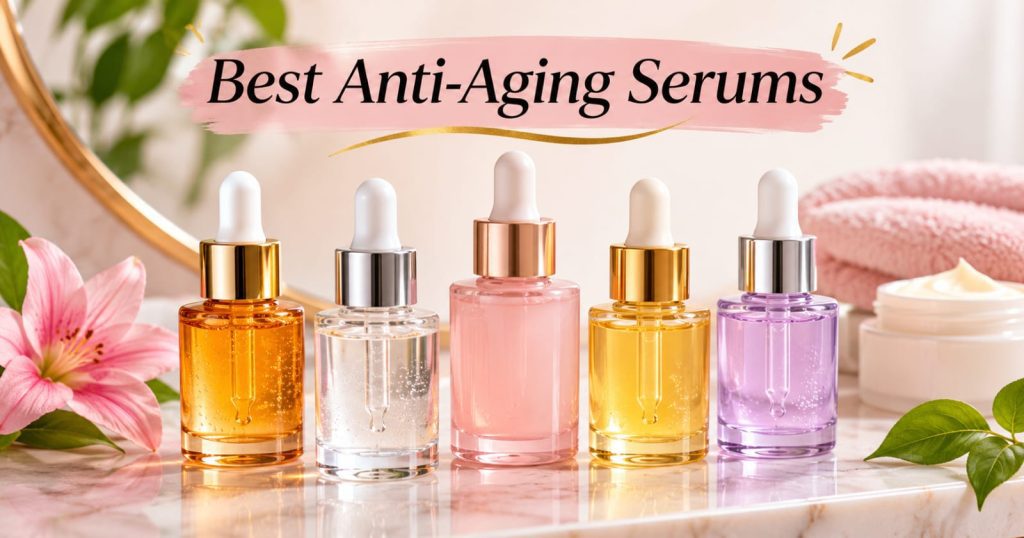
Finding the best anti-aging serums is not simply about choosing the most expensive bottle or the product with the longest ingredient list. The right serum depends on what you want to improve: fine lines, uneven skin tone, dryness, rough texture, or early signs of aging. It also depends on your skin type, sensitivity, budget, and willingness to follow a consistent routine.
Some ingredients have stronger research behind them than others. Retinoids, for example, are widely studied for improving the appearance of fine lines and uneven texture. Vitamin C can help address discoloration and provide antioxidant support, while hyaluronic acid helps hydrate skin and temporarily soften the appearance of dehydration lines. Peptides and niacinamide may also be useful, although results depend on the specific ingredient and finished formula.
This guide compares five products with different strengths, explains what their key ingredients can realistically do, and helps you choose a serum that fits your skincare goals. It also covers how to introduce active ingredients, build a simple routine, and avoid common mistakes.
Quick Comparison: 5 Best Anti-Aging Serums
| Product | Best for | Main focus | Considerations |
| CeraVe Skin Renewing Retinol Serum | Retinol beginners | Retinol and barrier-supporting ingredients | Introduce gradually |
| RoC Retinol Correxion Serum | Fine lines and wrinkles | Retinol-based treatment | May cause dryness or irritation |
| The Ordinary Multi-Peptide + HA Serum | Peptide-focused routines | Peptides and hydration | Results vary by formula |
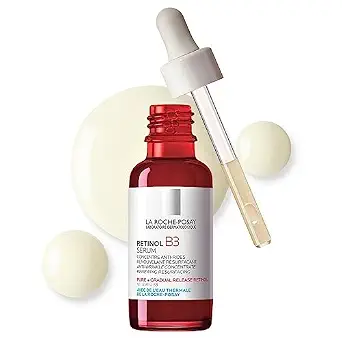
| La Roche-Posay Retinol B3 Serum | Targeted retinol routine | Retinol and niacinamide | Best for people who tolerate retinol |
| Estée Lauder Advanced Night Repair | Hydration and overall skin appearance | Hydrating and conditioning formula | Not a substitute for a dedicated retinoid |
Product prices, availability, and retailer ratings can change. Check the current listing before purchasing. These are researched product suggestions, not products personally tested by ZaisufBeauty.
How We Selected These Anti-Aging Serums
Choosing skincare products requires more than comparing brand popularity. We considered the intended purpose of each formula, its key ingredients, the concerns it is marketed to address, and the practical information available from product and retailer listings.
We also considered whether a recommendation adds something different to the article. A retinol serum, a peptide formula, and a hydrating serum serve different purposes. Including several products with nearly identical formulas would make it harder for readers to understand which one might suit their routine.
Our research also considered dermatology guidance about selecting products for individual skin types, introducing active ingredients gradually, and maintaining realistic expectations. The American Academy of Dermatology emphasizes that no single product addresses every sign of skin aging and that a product’s price does not guarantee better results.
Testing disclosure: ZaisufBeauty has not conducted a controlled, in-person comparison of these five products. We therefore do not describe them as personally tested or claim that our editors observed specific results. Product recommendations are based on available product information and supporting skincare research.
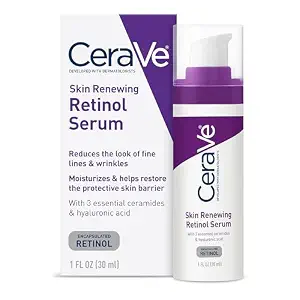
1. Best Retinol Serum for Beginners: CeraVe Skin Renewing Retinol Serum
CeraVe Skin Renewing Retinol Serum is worth considering if you want to introduce a retinol product into a routine without immediately choosing a high-strength treatment. Its formula includes retinol alongside hyaluronic acid, niacinamide, and three essential ceramides, according to the product listing. These ingredients have different roles: retinol targets the appearance of uneven texture and fine lines, while ceramides and hydrating ingredients help support skin comfort.
This combination makes it a practical option to investigate if your main concerns are early fine lines, dull-looking skin, or uneven texture. However, a formula containing supportive ingredients can still irritate skin. Retinol should not be treated as automatically gentle just because it is sold as a beginner option.
Why consider it
- Combines retinol with barrier-supporting ceramides.
- Includes hyaluronic acid and niacinamide.
- A useful option for someone building a basic anti-aging routine.
- Available through a mainstream US beauty retailer.
Potential limitations
- Retinol may cause dryness, peeling, redness, or irritation.
- It is not an instant wrinkle treatment.
- Sensitive skin may need a slower introduction or a different ingredient.
How to use it: Follow the label directions, begin with infrequent nighttime use, and increase only as tolerated. Apply moisturizer to help maintain skin comfort. Use sunscreen during the day
Best suited to: People interested in a retinol-based routine who want a formula that also includes moisturizing and barrier-supporting ingredients.
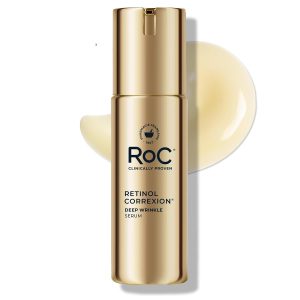
2. Best for Fine Lines and Wrinkles: RoC Retinol Correxion Serum
RoC Retinol Correxion is another option for shoppers whose primary concern is the appearance of fine lines and wrinkles. Its product listing describes a retinol-based formula with hyaluronic acid. This pairing is relevant because retinol is used to address visible signs of photoaging, while hyaluronic acid attracts and holds water to improve the look of dehydrated skin.
Retinol is one of the better-studied over-the-counter ingredients for visible signs of aging. A 2025 systematic review and network meta-analysis evaluated topical treatments for facial photoaging and found that retinol and tretinoin improved fine wrinkles in the included research. The findings support the ingredient category, but they do not prove that every retinol product performs identically.
Why consider it
- Retinol is the central treatment ingredient.
- Hyaluronic acid adds a hydration-focused component.
- Relevant to shoppers primarily concerned with visible wrinkles and fine lines.
- Offers an alternative to higher-priced prestige formulas.
Potential limitations
- Retinol can be irritating, especially when introduced too quickly.
- The exact results depend on the formula, frequency of use, and individual skin response.
- It may not be the right first choice for someone with an already compromised or highly reactive skin barrier.
How to use it: Use at night according to the product instructions. Start slowly rather than applying it every night from the beginning. Avoid layering it with several other strong exfoliating treatments until you know how your skin responds.
Best suited to: People who want a retinol-focused product for fine lines and are prepared to introduce it carefully.
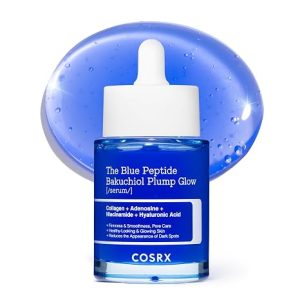
3. Best Peptide Serum: The Ordinary Multi-Peptide + Hyaluronic Acid Serum
Peptides are short chains of amino acids used in skincare formulas designed to support the appearance of smoother, firmer-looking skin. The Ordinary Multi-Peptide + Hyaluronic Acid Serum is a peptide-focused option for readers who want to explore this ingredient category without automatically choosing a retinol treatment.
Its product listing describes a multi-peptide formula intended to address the appearance of early signs of aging, including fine lines and the feel of skin elasticity. It also contains hyaluronic acid, which supports hydration.
Peptides should not be treated as interchangeable with retinoids. Their effects depend on the particular peptide, concentration, formulation, and available research. The evidence for topical peptides is not as consistent as the evidence supporting some established retinoid treatments. For that reason, it is better to view this as an alternative approach to a skincare routine rather than a guaranteed wrinkle-reducing treatment.
Why consider it
- Peptide-focused formulation.
- Includes a hydrating ingredient.
- Offers a non-retinol option for readers who prefer to avoid retinoids.
- Can fit into a routine focused on hydration and the appearance of skin firmness.
Potential limitations
- Peptide research varies by ingredient and finished product.
- It should not be expected to produce the same results as a retinoid.
- Readers with specific concerns such as pronounced wrinkles may need a more targeted approach.
How to use it: Follow the manufacturer’s application instructions. Introduce it as a separate new product so you can assess how your skin responds.
Best suited to: Readers interested in peptide-based skincare or looking for a non-retinol product to complement a simple routine.
4. Best Targeted Retinol Option: La Roche-Posay Retinol B3 Serum
La Roche-Posay Retinol B3 Face Serum is marketed for fine lines and wrinkles. Its product listing describes a formula containing retinol and vitamin B3, also known as niacinamide. Retinol is the main reason to consider this product for a wrinkle-focused routine, while niacinamide is commonly used to support the skin barrier and improve the appearance of uneven tone.
This product may be worth comparing with other retinol options if you want a formula from a widely available skincare brand. However, its presence in a product lineup does not mean it will suit every skin type. People who already experience redness, persistent dryness, or irritation should be cautious about adding another active treatment.
Why consider it
- Retinol-focused formula for visible signs of aging.
- Includes niacinamide.
- Specifically marketed for fine lines and wrinkles.
- An option to compare with other over-the-counter retinol products.
Potential limitations
- Retinol can irritate sensitive or dry skin.
- It may not be appropriate for people who cannot tolerate vitamin A-based skincare.
- It requires consistent use and daytime sun protection.
How to use it: Follow the product’s directions and introduce it gradually at night. Avoid starting it at the same time as other strong active products.
Best suited to: People already familiar with retinol who want to compare another targeted retinol formula.
5. Best for Hydration and Overall Skin Appearance: Estée Lauder Advanced Night Repair
Estée Lauder Advanced Night Repair is a different type of recommendation from the retinol products above. Its product listing describes a multi-benefit serum with hyaluronic acid and peptides. Rather than treating it as a direct substitute for a retinoid, it makes more sense to consider it for people who prioritize hydration and the overall appearance of their skin.
Hydration can make skin look smoother and temporarily soften the appearance of fine lines caused by dryness. That does not mean a hydrating serum permanently removes wrinkles or reverses structural changes in the skin. It simply addresses a different part of the skincare picture.
Why consider it
- Hydration-focused formula.
- Includes peptides and hyaluronic acid according to its product listing.
- An alternative for readers who are not looking to begin with retinol.
- Can complement a routine focused on maintaining skin comfort.
Potential limitations
- It is not a direct replacement for a retinoid treatment.
- Premium pricing may not suit every budget.
- Hydration-related improvements should not be confused with permanent wrinkle reduction.
How to use it: Follow the brand’s directions and apply it as part of a consistent routine. Pair it with a suitable moisturizer if your skin needs additional hydration.
Best suited to: Readers who want a hydrating serum and prefer a multi-benefit formula over a dedicated retinol treatment.
Which Ingredients Matter Most in Anti-Aging Serums?
The ingredient list is one of the most useful parts of a skincare label. Understanding what each ingredient is intended to do can help you avoid buying a product simply because it uses the words lifting, youthful, or age-defying. Not all ingredients have the same level of supporting research.
| Ingredient | Main purpose | Important limitation |
| Retinol and other retinoids | Used to improve the appearance of fine lines, uneven texture, and some discoloration. | Can cause dryness, redness, peeling, and irritation. |
| Vitamin C | Antioxidant support and help with the appearance of uneven tone. | Stability, packaging, concentration, and vitamin C form matter. |
| Peptides | Used in formulas targeting the appearance of firmness and fine lines. | Evidence varies by peptide type and finished product. |
| Hyaluronic acid | Attracts and holds water to support hydration and temporarily plumper-looking skin. | Does not permanently remove wrinkles. |
| Niacinamide | Supports the skin barrier and helps improve the appearance of uneven tone. | Results depend on the formula and individual skin response. |
Retinol and Other Retinoids
Retinoids are vitamin A derivatives used in skincare. Retinol is a common over-the-counter form, while tretinoin is a prescription treatment. Research and dermatology guidance support retinoids for improving the appearance of fine lines, uneven texture, and some forms of discoloration. Retinol is not a one-size-fits-all ingredient. It can cause dryness, redness, peeling, and irritation, particularly when someone starts with frequent application or combines it with too many other active treatments.
Vitamin C
Vitamin C is an antioxidant used in skincare to help address uneven tone and protect against environmental oxidative stress. Some formulations use L-ascorbic acid, while others use vitamin C derivatives. Formulation matters. Stability, packaging, concentration, and the specific vitamin C form can all affect a product. A higher percentage alone does not automatically make a serum better.
Peptides
Peptides are used in formulas designed to improve the appearance of firmness and fine lines. They are not all identical, and evidence varies between peptide types and products. A peptide serum may be a reasonable option for someone who wants a non-retinol approach, but claims should be judged carefully rather than accepted from marketing language alone.
Hyaluronic Acid
Hyaluronic acid is a humectant, meaning it attracts and holds water. It can help skin feel hydrated and look temporarily plumper, which may make dehydration lines less noticeable. It does not permanently remove wrinkles or rebuild lost facial volume. Its main role in a skincare routine is hydration.
Niacinamide
Niacinamide is a form of vitamin B3 used to support the skin barrier and improve the appearance of uneven tone. It can be a useful ingredient in routines for people concerned about discoloration, redness, or skin texture. Its effects depend on the formula and how well the product suits the individual. It should not be treated as a guaranteed solution for every dark spot or wrinkle.
How to Choose the Best Anti-Aging Serums for Your Skin Type
A product that works well for one person may not suit another. Skin type, sensitivity, climate, existing skincare products, and the main concern all affect the decision. Dermatology guidance recommends choosing skincare products formulated for your skin type and focusing on one main aging concern at a time, rather than layering several treatments immediately.
| Skin type or concern | What to look for | What to consider |
| Dry skin | Hyaluronic acid, glycerin, ceramides | Add a moisturizer to reduce dryness. |
| Oily skin | Lightweight, non-comedogenic formulas | Avoid unnecessarily heavy layers. |
| Combination skin | A balanced formula suited to different facial areas | Adjust moisturizer by area if needed. |
| Sensitive skin | Fragrance-free, simple formulas | Patch test and introduce one product at a time. |
| Mature-looking skin | Retinoids, vitamin C, hydrating ingredients | Choose according to the main concern. |
| Dark spots | Vitamin C, niacinamide, retinoids where appropriate | Daily sun protection is essential. |
If You Have Dry Skin
Dry skin may feel tight or look dull, and dehydration can make fine lines appear more noticeable. A hydrating serum containing hyaluronic acid or glycerin may help improve skin comfort. If you use retinol, consider a moisturizer that supports the skin barrier.
If You Have Oily or Combination Skin
A lightweight serum may be more comfortable than a heavy formula. Look for product descriptions that identify the formula as non-comedogenic if clogged pores are a concern. You do not need to use several serums just because your skin is oily.
If You Have Sensitive Skin
Keep the routine simple. Choose products with a formula you can tolerate, introduce one new product at a time, and stop using a product if it causes persistent burning or irritation. Retinol may not be appropriate for everyone with sensitive or inflamed skin.
If Your Main Concern Is Mature-Looking Skin
Focus on the concern that bothers you most. Someone concerned about fine lines may choose a retinoid, while someone mainly concerned about dryness may benefit more from a hydrating serum and moisturizer. A person concerned about uneven tone may consider an antioxidant or other brightening ingredient. Age alone does not determine which serum is best.
How to Use an Anti-Aging Serum in Your Routine
Even a well-formulated product may disappoint if it is used inconsistently or combined with too many irritating treatments. A simple routine is often easier to maintain.
Morning Routine
- Cleanse with a gentle facial cleanser.
- Apply a suitable serum, such as a vitamin C or hydrating formula.
- Use moisturizer if your skin needs it.
- Finish with a broad-spectrum sunscreen with SPF 30 or higher.
The American Academy of Dermatology recommends broad-spectrum SPF 30 or higher, and advises reapplying sunscreen approximately every two hours when outdoors, as well as after swimming or sweating. Sunscreen helps protect against UV-related premature skin aging.
Evening Routine
- Remove makeup and sunscreen, then cleanse gently.
- Apply your selected treatment serum according to its instructions.
- Use moisturizer to support skin comfort.
If you use a retinol serum, apply it at night and begin gradually. Avoid adding several new active products in the same week, because it can become difficult to identify which product caused irritation.
How to Introduce Retinol Without Overdoing It
Retinol can be useful, but more frequent application does not necessarily mean better results. Starting too aggressively can leave skin dry, flaky, red, and uncomfortable.
- Start with a lower-strength or beginner-oriented formula.
- Apply it less frequently at first, following the product label.
- Use a small amount rather than applying extra product.
- Add moisturizer to support skin comfort.
- Increase frequency only if your skin tolerates it.
- Use sunscreen during the day.
Dermatology guidance recommends starting with a less intense retinoid and building up slowly. Retinoids should not be used during pregnancy. If you are pregnant, trying to become pregnant, or breastfeeding, ask your healthcare professional about ingredients appropriate for your situation.
If you experience persistent irritation, stop the product and seek advice from a dermatologist. People with eczema, rosacea, significant sensitivity, or an existing skin condition should seek individualized guidance before starting a retinoid.
Ingredients You Should Be Careful About Combining
Using several active ingredients at once can make a routine unnecessarily complicated. It may also increase irritation, particularly if you are new to skincare treatments.
For example, combining a retinoid with strong exfoliating acids in the same routine may be too irritating for some people. That does not mean every combination is always forbidden; it means tolerance, product instructions, and the strength of each formula matter.
A practical approach is to start with one main treatment. Once your skin is comfortable with it, consider whether another ingredient is actually needed. You may find that a simple cleanser, one treatment serum, moisturizer, and sunscreen are enough.
Avoid applying extra product in an attempt to speed up results. Follow the label instructions and do not continue using a product that causes persistent stinging, burning, or significant redness.
How Long Do Anti-Aging Serums Take to Work?
The answer depends on the ingredient and the concern you are trying to address. Hydrating ingredients may make skin feel softer or look plumper relatively quickly. Changes in the appearance of fine lines, texture, or discoloration generally require more consistent use.
The American Academy of Dermatology notes that many anti-aging products take at least six weeks to show results, and some may take up to three months. Retinoids, vitamin C, and treatments for pigmentation or wrinkles can require consistent use before meaningful improvements become visible.
It is important to distinguish between temporary and longer-term effects. A hydrating serum can temporarily soften the appearance of fine lines caused by dryness. That is different from a treatment that aims to improve the appearance of photoaged skin over time.
If a product promises dramatic wrinkle removal in a few days, approach the claim cautiously. No over-the-counter serum can reproduce the results of a surgical facelift or completely stop natural skin aging.
Frequently Asked Questions
What are the best anti-aging serums for the face?
The best option depends on your main concern. Retinol-based products are worth considering for fine lines and uneven texture, while hyaluronic acid is useful for hydration. Peptide formulas offer another approach for people who prefer not to begin with retinol.
Do anti-aging serums really work?
Some ingredients have research supporting improvements in the appearance of fine lines, uneven tone, and photoaged skin. Results vary by ingredient, formulation, skin type, and consistency. Serums can improve certain visible concerns, but they cannot stop natural aging or replace medical procedures.
Which serum ingredient is best for wrinkles?
Retinoids, including retinol, have substantial research supporting their use for improving the appearance of fine lines and wrinkles. However, they can irritate skin, and the right strength and frequency depend on individual tolerance.
Can I use an anti-aging serum every day?
Some hydrating and antioxidant serums are designed for daily use, but not every treatment should be used at the same frequency. Retinol products should be introduced gradually and used according to the manufacturer’s instructions.
Are anti-aging serums suitable for people in their 40s and 50s?
Yes. Adults in their 40s and 50s may choose serums based on concerns such as fine lines, uneven tone, dryness, and loss of firmness. There is no single product that is best for everyone in an age group. Skin type, sensitivity, and the ingredients in the formula should guide the decision.
Should I apply vitamin C or retinol first?
Many people use vitamin C in the morning and retinol at night. This can make a routine easier to organize and may reduce the temptation to layer multiple active treatments at once. Follow the instructions for each product and use daily sunscreen.
Can I use peptides and retinol together?
Some skincare routines include both ingredients, but whether a particular combination is appropriate depends on the formulas and your skin’s tolerance. If you are new to either ingredient, introduce one product at a time rather than starting both together.
What is the most important anti-aging skincare step?
Daily sun protection is one of the most important steps. The AAD recommends broad-spectrum sunscreen with SPF 30 or higher to help protect against premature skin aging caused by UV exposure. A serum should complement—not replace—sun protection.
Final Verdict: Which Serum Should You Choose?
The most suitable serum is the one that addresses your main concern, fits your skin type, and is realistic for your budget and routine.
- For a retinol beginner: Consider CeraVe Skin Renewing Retinol Serum.
- For a wrinkle-focused routine: Compare RoC Retinol Correxion and La Roche-Posay Retinol B3.
- For a peptide-focused routine: Consider The Ordinary Multi-Peptide + Hyaluronic Acid Serum.
- For hydration and overall skin comfort: Consider Estée Lauder Advanced Night Repair.
There is no need to buy all five. Choose one product that addresses your main concern, introduce it carefully, and give it enough time to assess your skin’s response. Pair your routine with a moisturizer and daily sunscreen.
The best skincare routine is not necessarily the longest or most expensive. It is the one you can use consistently, comfortably, and with realistic expectations.
If you want to read more about this, check out our detailed guide here:https://zaisufbeauty.com/best-lipstick-for-light-skin/