This post contains affiliate links. If you buy through a link, we may earn a small commission at no extra cost to you, as an Amazon Associate.
Finding the best scalp serum for hair growth is confusing, because the word “growth” can mean very different things on a label. Some serums aim to make hair look thicker. Some aim to cut down on breakage. A few contain a medication that has been studied for regrowth. Those are not the same job, and they don’t carry the same level of evidence.
This guide compares five widely sold options that cover different needs and budgets: a budget peptide serum, a lightweight serum for fine hair, a premium plant-based serum, a scalp-care serum for dryness, and a minoxidil foam for readers who want a medically established option. For each one, we explain what it is built to do, who it suits, and where it falls short.
We did not hands-on test these products. Our picks come from brand information, ingredient lists, retailer listings, and published medical guidance, and we label brand claims as brand claims. We also keep expectations realistic: a cosmetic serum is not a proven medical treatment for hair loss.
Quick Answer: The Best Scalp Serum for Hair Growth for Most People
If you want an affordable serum aimed at the look of thicker hair, start with The Ordinary Multi-Peptide Serum for Hair Density. If you have fine hair and dislike heavy products, look at Nutrafol Hair Serum. If you have clear pattern thinning and want the option with the strongest evidence, a minoxidil foam such as Women’s Rogaine 5% is the medically established choice, though it is a medication and not a cosmetic serum.
- Best overall value: The Ordinary Multi-Peptide Serum for Hair Density
- Best lightweight option for fine hair: Nutrafol Hair Serum
- Best premium plant-based serum: Vegamour GRO Hair Serum
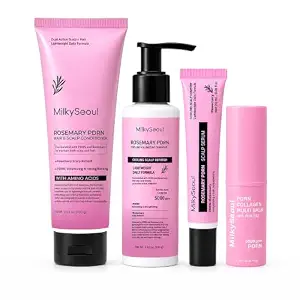
- Best for a dry or flaky scalp: medicube Rosemary PDRN Scalp Serum
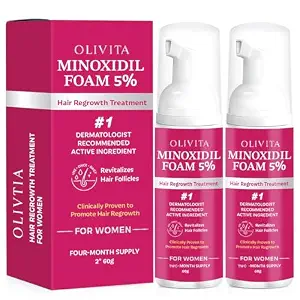
- Best evidence-backed option (a medication): Women’s Rogaine 5% Minoxidil Foam
Comparison Table
| Product | Type | Key Ingredients | Best For | Size | Price Level | Link |
|---|---|---|---|---|---|---|
| The Ordinary Multi-Peptide Serum for Hair Density | Cosmetic serum | Peptide complexes, 1% caffeine | Budget, fuller-looking hair | 1 or 2 oz | $ | Amazon |
| Nutrafol Hair Serum | Cosmetic serum | Ashwagandha exosomes, Irish moss peptides, caffeine | Fine hair, lightweight feel | 1 oz | $$ | Amazon |
| Vegamour GRO Hair Serum | Cosmetic serum | Red clover, mung bean blend | Thinning-looking hair, premium | 1 oz | $$$ | Amazon |
| medicube Rosemary PDRN Scalp Serum | Cosmetic scalp serum | Rosemary, PDRN, EGF, caffeine | Dry or flaky scalp | Check listing | $ | Amazon |
| Women’s Rogaine 5% Minoxidil Foam | Medication (OTC) | 5% minoxidil | Female pattern thinning | 2 to 6 month supplies | Varies | Amazon |
Price levels: $ is under about $25 per bottle, $$ is roughly $25 to $55, and $$$ is more than that. Prices and sizes change often, so check the current listing and the exact version.
Hair Growth vs. Shedding vs. Breakage vs. Fuller-Looking Hair
Most disappointment with scalp serums comes from mixing up four different problems. Knowing which one you have makes it much easier to choose.
| Concern | What It Means | What May Help |
|---|---|---|
| Hair loss or thinning | Fewer hairs growing from the scalp, often gradual | A dermatologist visit; medically established treatments such as minoxidil for some types |
| Shedding | Hairs falling out from the root, sometimes after stress, illness, or childbirth | Time and finding the cause; a doctor can help |
| Breakage | Hairs snapping along the shaft, so hair looks thin and won’t get longer | Gentler handling, conditioning, and heat protection |
| Fuller-looking hair | Hair looks denser because of volume, coating, or less breakage | Many cosmetic serums aim for this effect |
A cosmetic serum is best suited to the last two rows. If your concern is real hair loss, a serum may support how your hair looks, but it is not a diagnosis or a treatment.
What the Evidence Says About Scalp Serums
The medical picture is clear in one area: minoxidil is an established treatment. According to MedlinePlus, minoxidil is used to stimulate hair growth and to slow balding, and it is most effective for people under 40 whose hair loss is recent. It does not cure baldness, and most new hair is lost within a few months after the drug is stopped. MedlinePlus also says you must use it for at least 4 months, and possibly up to a year, before you see any effect, and that it has no effect on receding hairlines.
Cosmetic serums are different. Their ingredients, such as peptides, caffeine, and plant extracts, are often supported by small studies, laboratory work, or studies run by the brand itself. That doesn’t mean they can’t help how hair looks or feels. It means you should treat strong claims with caution, especially claims about “clinically proven” regrowth. When a brand shares study results, look at how many people took part, how long it lasted, and whether results were measured or self-reported.
Ingredients to Know Before You Buy
| Ingredient | What It Is Used For | Evidence Note |
|---|---|---|
| Minoxidil | Established OTC treatment for pattern hair loss | Medically studied; requires long-term use |
| Peptides | Marketed for the look of thicker, denser hair | Mostly brand and ingredient-supplier studies |
| Caffeine | Marketed to energize the scalp and support hair at the roots | Limited and mixed evidence for finished serums |
| Rosemary and botanical blends | Scalp comfort and the look of fuller hair | Evidence for finished products is limited |
| Niacinamide or humectants | Hydration and scalp comfort | Support scalp feel more than regrowth |
A useful rule: an ingredient having research behind it does not prove that a specific finished serum works. The study may have tested a different dose, a different product, or something other than hair regrowth.
How We Picked the Best Scalp Serum for Hair Growth
We focused on widely available US products that cover different needs. Each pick had to meet most of these standards:
- A clear purpose: The product should say what it is for, whether that’s density, thinning, scalp care, or regrowth.
- Published ingredient information: We checked ingredient lists and noted key actives.
- A range of evidence levels: From cosmetic serums to a medically established option.
- Price spread and availability: From about $20 to well over $60 per bottle.
- Honest drawbacks: Every product has limits, and we list them.
Our sources were brand pages, ingredient lists, retailer listings, editorial coverage, and medical guidance. Study results from brands are labeled as brand claims, because we cannot verify the design. We did not test these products ourselves, so we do not claim to know how they worked on any specific head of hair.
The 5 Best Scalp Serums for Hair Growth
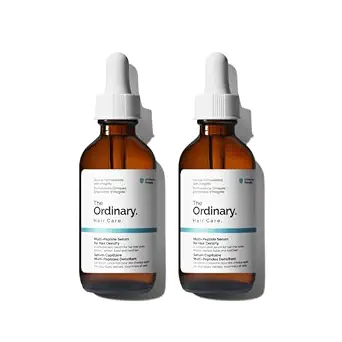
1. The Ordinary Multi-Peptide Serum for Hair Density: Best Overall Value
Key Facts: A leave-on serum that The Ordinary says helps hair look thicker, denser, and fuller. The formula lists peptide and plant-extract complexes, including Redensyl, Procapil, Capixyl, Baicapil, and AnaGain, plus 1% caffeine by weight. The brand says it is alcohol-free and silicone-free. Directions are to massage a few drops into a clean, dry scalp once daily, ideally at bedtime, and not rinse. It comes in 30 mL and 60 mL sizes, and retailers list it at roughly $15 to $25 depending on size.
Why It Suits Hair Growth Goals: It targets the look of density at a low price, which makes it an easy way to try a peptide serum without a big commitment. Customers often describe the texture as light and not greasy. Glamour’s testers noted a sticky feel and a noticeable smell, so your experience may vary.
Pros:
- Affordable, with a larger 60 mL option.
- Lightweight leave-on formula that suits many hair types.
- Clear, simple directions.
Cons:
- Positioned as cosmetic, so it should not be treated as a regrowth medication.
- Some people dislike the feel or the scent.
- Evidence for the finished serum is mostly brand-supplied.
Best For: Anyone who wants an affordable serum aimed at fuller-looking hair.
Skip If: You have sudden or patchy hair loss, or you want a medically established treatment
Pro Tip: Apply to a dry scalp at night and give it at least a few months before judging.
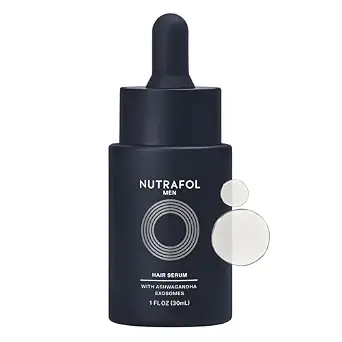
2. Nutrafol Hair Serum: Best Lightweight Option for Fine Hair
Key Facts: A lightweight, drug-free serum sold in women’s and men’s versions. Nutrafol lists ingredients such as ashwagandha exosomes and Irish moss peptides, and the men’s version also lists red ginseng and caffeine. Directions are to apply it to the scalp once daily with the dropper, sectioning hair as you go, and not rinse. Nutrafol says a 1 oz bottle is a 30-day supply, and Ulta lists the 1 oz size at around $49. Nutrafol says the women’s serum is safe on color-treated hair and extensions. Claims such as helping protect against thinning caused by breakage are brand claims.
Why It Suits Hair Growth Goals: It is built for people who worry that heavy products will weigh down fine hair. Customers frequently describe it as light and non-greasy. It is also marketed as a companion to Nutrafol’s supplements, though you don’t need the supplements to use it.
Pros:
- Lightweight, fast-absorbing feel according to many reviews.
- Separate women’s and men’s versions.
- Color-safe according to the brand.
Cons:
- A 30-day bottle at about $49 is expensive per month.
- Cosmetic positioning, so results are about appearance.
- Sizes and versions vary by retailer, so check the listing.
Best For: Fine hair that needs a very light, daily serum
Skip If: You’re on a tight budget or want a medically established treatment.
Pro Tip: Use the dropper to part and apply along the scalp rather than the lengths of the hair.
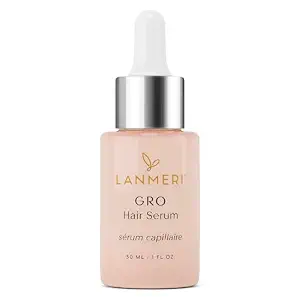
3. Vegamour GRO Hair Serum: Best Premium Plant-Based Serum
Key Facts: A 1 oz vegan serum built around a red clover and mung bean blend, aimed at thinning-looking hair. Directions are to fill the dropper, apply to the scalp, and use daily on wet or dry hair. Retailers list it at roughly $64 to $68. Vegamour says it can improve the look of density in as soon as 90 days and cites studies of about 40 participants, including a consumer perception study. Those are brand claims, and small studies of that size have limits.
Why It Suits Hair Growth Goals: It is a plant-based, fragrance-conscious option for people who want a premium daily routine focused on the look of thicker hair. Glamour positioned it for early thinning but noted the high price and a runny consistency.
Pros:
- Plant-based formula with a simple daily routine.
- Marketed for all hair types and textures.
- Brand shares study details you can read for yourself.
Cons:
- High price for a 1 oz bottle.
- Brand studies are small, and some results are self-reported.
- Not always sold through every retailer, so confirm the seller.
Best For: Readers who want a premium, plant-based serum and are comfortable with a higher price.
Skip If: You want the lowest cost per month or a proven medical treatment.
Pro Tip: Pick a time of day you will remember and stay consistent for at least 90 days.
4. medicube Rosemary PDRN Scalp Serum: Best for a Dry or Flaky Scalp
Key Facts: A leave-in scalp serum with rosemary, PDRN, EGF, and caffeine, sold with a mini gua sha-style applicator and ultra-fine spicules. The brand says to apply it directly to a damp or dry scalp and massage until absorbed. Glamour listed it at around $22. Medicube reports that scalp flakiness decreased by 53.2% after 4 weeks and that scalp cooling increased after one use, which are brand claims. Glamour also noted a strong minty scent.
Why It Suits Hair Growth Goals: A comfortable scalp supports a healthy routine, and this is the pick for people whose main concern is dryness or flakes alongside thinner-looking hair. It is positioned for the look of thicker, fuller hair and scalp comfort, not as a regrowth treatment.
Pros:
- Affordable.
- Cooling applicator with a massage feel.
- Aimed at flaky or dry scalps.
Cons:
- The spicule-style formula and strong scent may bother sensitive or irritated scalps.
- Cosmetic positioning with brand-reported results.
- Not the right choice if you want a regrowth medication.
Best For: A dry or flaky scalp where you also want a fuller-looking result.
Skip If: Your scalp is red, broken, or very sensitive, since the brand says not to use it on damaged skin.
Pro Tip: Start a few times a week, watch how your scalp reacts, and stop if you see irritation.
5. Women’s Rogaine 5% Minoxidil Foam: Best Evidence-Backed Option
Key Facts: An over-the-counter foam with 5% minoxidil for women with general thinning on the top of the scalp. Rogaine’s directions are to apply half a capful once daily to the scalp, not the hair, and to keep using it, because stopping lets hair loss resume. Rogaine says results may appear at 3 months and that some women need at least 6 months. It says it was clinically proven to regrow hair in over 80% of women in a 6-month placebo-controlled study, which is a brand claim. It is for women only, and it comes in multi-month supplies, so the upfront cost varies.
Why It Suits Hair Growth Goals: This is the only pick here that is a medication, and minoxidil is the established OTC option for pattern hair loss. It is technically a foam, not a serum, but it belongs in any honest comparison of products people use for hair growth.
Pros:
- Medically established active ingredient.
- Once-daily routine.
- Clear label guidance on who should and shouldn’t use it.
Cons:
- It is a medication with its own warnings, including possible irritation and unwanted facial hair growth.
- Results take months and require continued use.
- Not for sudden or patchy loss, hair loss with no family history, hair loss after childbirth, or when the cause is unknown.
Best For: Women with gradual thinning on the top of the scalp who want an evidence-backed option.
Skip If: You’re pregnant or nursing, you’re under 18, your hair loss is sudden or patchy, or you don’t know the cause. Talk with a doctor first.
Pro Tip: Men should look for the men’s version rather than using a women’s product, and anyone unsure should ask a dermatologist before starting
How to Choose the Best Scalp Serum for Hair Growth
The best scalp serum for hair growth is the one that matches your actual concern, your scalp, and your budget. Use this guide:
| Your Situation | Try This | Why |
|---|---|---|
| Want an affordable cosmetic serum | The Ordinary Multi-Peptide Serum | Low cost and simple routine |
| Fine hair that gets weighed down | Nutrafol Hair Serum | Lightweight formula |
| Want a premium plant-based option | Vegamour GRO Hair Serum | Plant-based blend, daily use |
| Dry or flaky scalp | medicube Rosemary PDRN Scalp Serum | Scalp comfort focus |
| Gradual pattern thinning in women | Women’s Rogaine 5% foam | Established OTC active ingredient |
| Sudden, patchy, or unexplained loss | See a dermatologist first | The cause matters more than the product |
When you compare prices, look at the size and how long a bottle lasts. A 1 oz bottle used daily is roughly a month, so a $49 bottle works out to about $49 per month, while a $20 bottle in a larger size can last far longer. Divide the price by the number of months the bottle will last to compare fairly.
How to Use a Scalp Serum
A good routine matters as much as the product. These steps work for most cosmetic serums:
- Read the label. Follow the directions for how often to apply it and whether to use it on wet or dry hair.
- Patch test. Try a small amount on your inner arm or behind your ear first, especially if your scalp is sensitive.
- Part the hair and apply to the scalp. Serums work on the scalp, not the lengths of the hair.
- Massage gently. Use your fingertips, not your nails.
- Stay consistent. Most brands talk about months, not days, and MedlinePlus says minoxidil needs at least 4 months and sometimes up to a year.
- Don’t layer unnecessarily. If you use a medication such as minoxidil, don’t add other scalp treatments without asking a pharmacist or doctor.
A serum works best as part of a routine that doesn’t damage your hair. If you want help with the cleansing step, see our guide to the best shampoo for hair growth. Use shampoo for cleansing and a serum as a leave-on step, rather than expecting either one to do both jobs.
Common Mistakes to Avoid
- Expecting quick results. Hair grows slowly, and most products need months before you can judge them.
- Confusing growth with breakage. If your hair snaps instead of falling from the root, a growth serum won’t fix that.
- Treating a cosmetic serum like a medication. A serum is not a replacement for medical evaluation.
- Applying to hair instead of scalp. Most serums are meant for the scalp.
- Stopping and starting. Inconsistent use makes it hard to tell whether a product is working.
- Ignoring sudden changes. Sudden or patchy hair loss deserves a doctor’s visit, not a new product.
When to See a Dermatologist
See a dermatologist if your hair loss is sudden or patchy, if you notice it after childbirth, illness, or starting a new medication, if your scalp is painful, red, or scaly, or if you don’t know the cause. These situations can have causes that a serum won’t touch. A dermatologist can also tell you whether minoxidil or another treatment is appropriate for you.
If you’re pregnant or nursing, ask your doctor before using minoxidil. MedlinePlus advises calling your doctor if you become pregnant while using it, and notes it may make your skin sensitive to sunlight.
Frequently Asked Questions
What is the best scalp serum for hair growth? There is no single best option for everyone. The Ordinary Multi-Peptide Serum is a strong budget choice, Nutrafol Hair Serum suits fine hair, and Women’s Rogaine 5% foam is the evidence-backed option for female pattern thinning. The right choice depends on your concern and your tolerance.
Do scalp serums really work for hair growth? Cosmetic serums may improve how hair looks and feels, but strong regrowth claims are often based on small or brand-run studies. Minoxidil has the strongest established evidence among OTC products, and it still takes months.
How long does it take for a scalp serum to work? It depends on the product. MedlinePlus says minoxidil must be used for at least 4 months, and possibly up to a year, before you see an effect. For cosmetic serums, brands often cite about 90 days, but that is a brand claim.
Is a scalp serum better than minoxidil? They are different products. Minoxidil is a medication used for pattern hair loss, while most scalp serums are cosmetic products aimed at the look of thicker hair or scalp comfort.
Can I use a scalp serum every day? Most brands recommend daily use, but follow the label for your product. If you notice irritation, stop and talk with a doctor if it persists.
Will a scalp serum make my hair greasy? It depends on the formula. Lightweight serums like Nutrafol’s are designed to be non-greasy, while others may leave a sticky feel. Apply to the scalp and use a small amount.
Can men use these serums? Many cosmetic serums are marketed for all genders, and Nutrafol sells a men’s version. Rogaine sells separate men’s and women’s products, so use the one made for you.
Final Verdict
🥇 Best Overall Value: The Ordinary Multi-Peptide Serum for Hair Density
🪶 Best for Fine Hair: Nutrafol Hair Serum
✨ Best Premium Plant-Based: Vegamour GRO Hair Serum
🧴 Best for a Dry or Flaky Scalp: medicube Rosemary PDRN Scalp Serum
💊 Best Evidence-Backed Option: Women’s Rogaine 5% Minoxidil Foam
The best scalp serum for hair growth is the one that matches your concern, your scalp, and your budget. Decide first whether you are dealing with thinning, shedding, breakage, or a hair that simply looks flat. Choose a cosmetic serum for appearance and scalp comfort, consider minoxidil if you have gradual pattern thinning, stay consistent for months, and talk with a dermatologist about anything sudden, patchy, or unexplained.
Disclaimer: This article is for informational purposes only and is based on research of brand information, ingredient lists, retailer listings, editorial coverage, and published medical guidance, not on our own hands-on testing. It is not medical advice. Prices, formulas, versions, and availability change, so check the current listing and ingredient list before you buy. Results vary by person. If you are pregnant, nursing, or have a medical condition, talk with a healthcare professional before using minoxidil or other active ingredients.